Concrete pumping has become one of the most indispensable operational methodologies in contemporary construction. From modest residential builds to sprawling infrastructure programmes, the ability to convey freshly mixed concrete through pressurised pipeline systems to precise placement points has fundamentally transformed site productivity, safety, and quality outcomes. It eliminates the labour-intensive, time-consuming process of manual concrete transportation, enables delivery to structurally or geographically challenging locations, and sustains the continuous pour sequences that modern structural engineering increasingly demands.
Yet concrete pumping is not a frictionless process. Beneath its efficiency lies a complex interplay of mechanical, hydraulic, and materials science variables that, when misaligned, produce problems ranging from minor productivity disruptions to serious concrete pumping equipment damage and structural compromise. Understanding these problems with technical precision — and knowing how to prevent and resolve them systematically — is essential knowledge for every contractor, pump operator, and project engineer working in the built environment today.
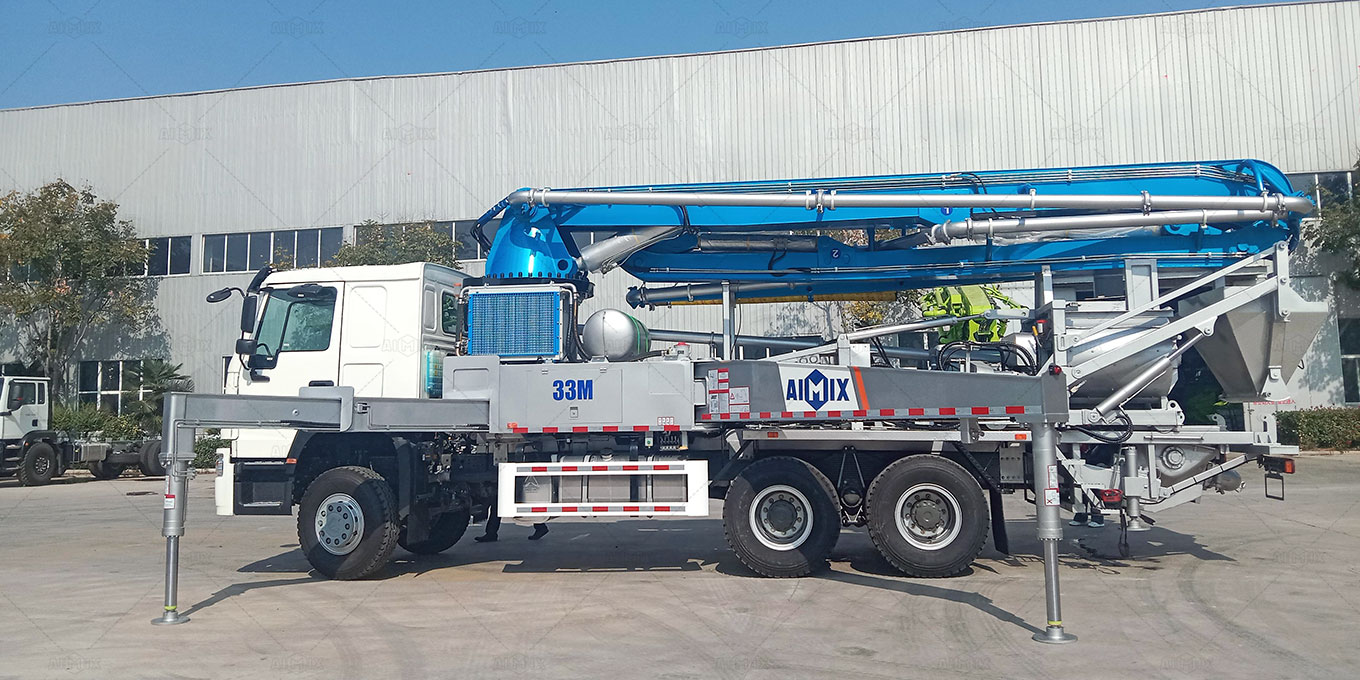
The Major Problems Encountered in Concrete Pumping Operations
Concrete Blockages in Delivery Pipelines
Pipeline blockage is the most frequently encountered operational problem in concrete pumping works. It occurs when the flow of concrete through the delivery line is impeded or completely arrested, bringing the pumping operation to a halt and triggering a cascade of downstream consequences including pour interruptions, cold joint formation, and equipment stress.
The causal factors behind blockages are multiple and often interrelated. Inadequate lubrication of the pipeline prior to pumping is a primary contributor — without a proper grout or slurry priming sequence, the dry internal surface of the pipe creates frictional resistance that the concrete mixture cannot overcome at normal pumping pressures. Inconsistent concrete mix quality compounds this risk; variations in water-cement ratio between successive batches alter the rheological properties of the mix mid-pour, creating viscosity discontinuities that promote plug formation.
Foreign object contamination — debris, hardened concrete remnants from inadequate pipeline cleaning, or oversized aggregate fragments that exceed the pipeline’s internal clearance tolerance — represents another significant blockage mechanism. So too does premature concrete stiffening caused by extended waiting periods, high ambient temperatures, or incompatible admixture dosing.
Prevention requires a disciplined pre-pumping protocol. Pipelines must be thoroughly cleaned after every pumping session and primed with an appropriate lubricating slurry before each new operation commences. Concrete mix consistency must be rigorously maintained throughout the pour, with quality control checks at the batching stage to verify that workability parameters remain within the specified pumping envelope. Where blockages do occur despite preventive measures, the standard remediation sequence involves reversing pump direction to relieve pressure on the obstruction, followed by localised pipe disassembly to physically clear the blockage if hydraulic reversal proves insufficient.
Pumping Equipment Failures and Mechanical Malfunctions
Concrete pumps are mechanically complex machines operating under sustained high-pressure conditions. This operational environment makes them susceptible to a range of equipment failures that, if not anticipated and managed, can cause significant project disruption and costly repair expenditure.
Pump overheating is a common manifestation of hydraulic system stress, typically resulting from prolonged continuous operation, insufficient hydraulic fluid levels, or blocked cooling circuits. Hose and pipeline wear — accelerated by abrasive aggregate contact and pressure cycling fatigue — leads to leaks and eventual hose rupture if replacement intervals are not observed. Hydraulic fluid contamination, whether through moisture ingress, seal degradation, or cross-contamination during servicing, degrades system performance progressively and can precipitate catastrophic valve or cylinder failure if left unaddressed.
Electrical control system faults represent a growing category of failure risk as modern mobile concrete pumps incorporate increasingly sophisticated electronic management systems. Sensor failures, wiring degradation in wet site environments, and software anomalies can disrupt pump operation in ways that mechanical inspection alone will not detect.
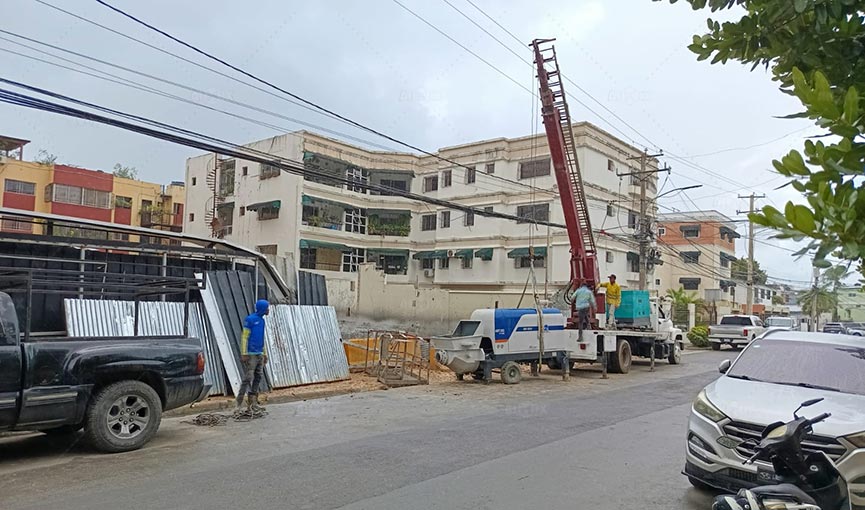
The mitigation strategy for equipment failure is fundamentally preventive rather than reactive. Scheduled maintenance programmes — structured around manufacturer-specified service intervals and supplemented by condition-based monitoring — are the primary defence. Routine inspections should encompass hydraulic fluid analysis, seal and gasket integrity checks, wear measurement of concrete-contact components such as spectacle plates and cutting rings, and verification of electrical system functionality. Maintaining an on-site inventory of high-wear replacement components eliminates the procurement delays that transform minor equipment issues into extended operational shutdowns.
Mix Design and Concrete Pumpability Incompatibility
Not all concrete mixes are inherently pumpable. The pumpability of a given mix — its capacity to flow under pressure through pipelines of defined diameter and length without segregation, bleeding, or excessive pressure loss — is a function of multiple interacting design variables that must be deliberately optimised for pumping applications.
Aggregate characteristics are particularly influential. Oversized coarse aggregate relative to pipeline diameter creates bridging and blockage risk. Poorly graded aggregate with gap gradation produces mixes that lack the fine particle matrix necessary to maintain cohesion under pumping pressure. Excessively angular crushed aggregate increases internal friction within the pipeline compared to rounded river aggregate, demanding higher pumping pressures and accelerating pipeline wear.
Water-cement ratio, admixture selection, and cementitious material composition all modulate the rheological behaviour of the mix under pressure. Mixes designed purely for strength or durability without consideration of pumping requirements frequently exhibit slump loss rates, segregation tendencies, or pressure bleed characteristics that make them operationally problematic in pumped applications.
Resolution requires close technical collaboration between concrete producers, small concrete pump operators, and structural engineers from the mix design stage. Trial pump tests using proposed mix designs allow pumpability to be empirically validated before full-scale production commences. Plasticiser and superplasticiser admixtures can be deployed to enhance workability without compromising water-cement ratio. Where aggregate supply constraints limit gradation options, adjustments to cementitious content or fine aggregate proportion can compensate for pumpability deficits.
Strategic Approaches to Preventing Pumping Problems
Comprehensive Site Assessment and Pre-Pour Planning
Effective problem prevention in concrete pumping begins long before the pump is commissioned. A thorough site assessment — examining access routes, placement point locations, vertical and horizontal pumping distances, and obstacle geometry — establishes the operational parameters within which equipment selection and pipeline routing decisions must be made. Pumping distance and elevation change directly determine the pressure requirements placed on the pump; underestimating these parameters leads to equipment operating beyond its rated capacity, accelerating wear and increasing failure risk.
Pipeline layout planning should minimise bend frequency and severity, as each directional change introduces pressure loss that accumulates across the total circuit. Where bends are unavoidable, large-radius configurations and high-quality pipeline couplings reduce both pressure loss and wear concentration. Establishing contingency protocols for blockage response, equipment failure, and pour interruption as part of the pre-pour plan ensures that problems, when they arise, are managed with structured efficiency rather than improvised reaction.
Operator Training, Supervision, and Real-Time Monitoring
Equipment quality and mix design excellence are necessary but insufficient conditions for successful pumping operations. The competence and attentiveness of the pump operator remains a critical performance variable. Skilled operators recognise early warning indicators — pressure gauge anomalies, unusual pump cycling behaviour, changes in pipeline vibration — that precede blockages or equipment failures, allowing preemptive intervention before problems escalate.
Structured operator training programmes covering equipment mechanics, mix workability assessment, blockage response procedures, and safety protocols build the technical foundation for consistent operational performance. Continuous supervision during active pumping operations, combined with performance feedback mechanisms, sustains the standards that training establishes. On large or complex projects, deploying a dedicated pump supervisor whose sole responsibility is monitoring pumping performance and coordinating with batching and placement teams represents an investment that consistently delivers returns in productivity and quality assurance.
Preventive Maintenance as an Operational Philosophy
The most cost-effective approach to concrete boom pump equipment reliability is a preventive maintenance philosophy embedded in operational culture rather than treated as a periodic administrative obligation. Maintenance schedules derived from manufacturer guidelines, calibrated to actual operational intensity and environmental conditions, should be treated as non-negotiable production commitments rather than discretionary activities.
Post-pour pipeline cleaning, executed thoroughly after every pumping session, is the single most impactful maintenance practice available to pumping operations. Hardened concrete accumulation within pipelines is among the leading contributors to both blockage risk and accelerated pipe wear. Systematic hydraulic system servicing, including fluid replacement, filter renewal, and seal inspection, preserves the performance envelope of the pump across its operational lifespan. When preventive maintenance is practised with genuine discipline, equipment failures become exceptional events rather than routine disruptions — and concrete pumping delivers the productivity and quality advantages it genuinely promises.