The cost of a concrete batching plant varies significantly depending on whether it is used for temporary construction sites or permanent installations. This distinction affects not only the initial investment but also civil works, equipment selection, relocation expenses, and long-term operational strategy. For contractors and investors, understanding these differences is essential before making a purchasing decision.
In global markets such as the concrete batching plant in UAE and the concrete batching plant UK industry, both temporary and permanent plants are widely used. Each market demonstrates different priorities: the UAE often favors high-capacity flexible systems for large infrastructure projects, while the UK focuses on strict environmental compliance and long-term efficiency. These regional differences further influence total investment cost and plant configuration choices.
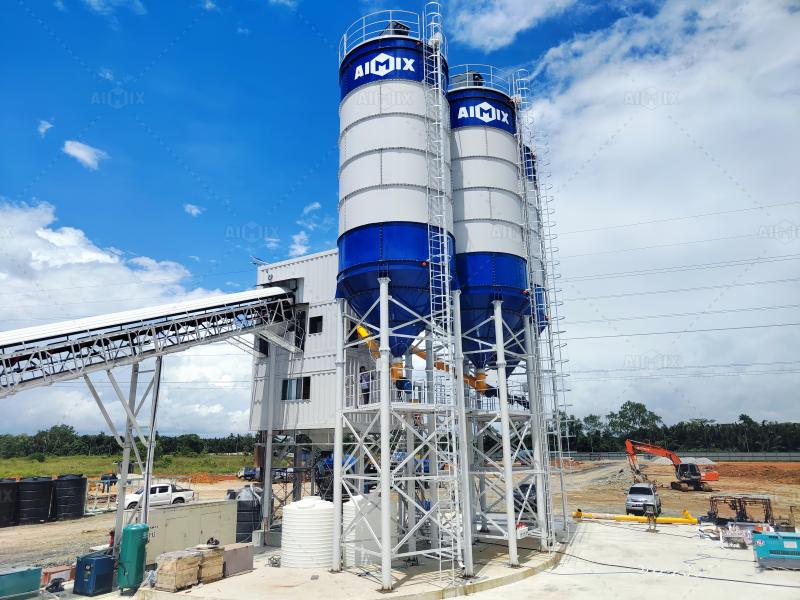
Understanding Temporary Concrete Batching Plant Cost Structure
Temporary concrete batching plants are typically used for short-term or mobile construction projects such as roadworks, bridges, and remote infrastructure development. These plants are designed for fast installation, easy dismantling, and relocation flexibility.
The cost of temporary systems is generally lower in terms of civil engineering works because they require minimal foundation construction. In many cases, steel foundations or modular base structures are used instead of reinforced concrete foundations. However, while initial setup cost of concrete batching plant is lower, relocation and reinstallation expenses must be considered as part of the overall budget.
In regions like the UAE, temporary batching plants are commonly used for highway expansion and desert infrastructure projects. Contractors prioritize mobility and speed over long-term infrastructure investment. As a result, mobile or semi-mobile configurations are widely adopted, helping reduce downtime between project phases.
Permanent Concrete Batching Plant Cost Structure
Permanent batching plants are designed for long-term industrial use, typically serving ready-mix concrete suppliers, large construction companies, and infrastructure hubs. These plants require substantial civil engineering work, including reinforced concrete foundations, material storage silos, and permanent access roads.
The initial cost of a permanent plant is significantly higher due to heavy structural requirements and advanced automation systems. However, these plants offer lower long-term operational costs and higher production efficiency. Over time, the return on investment becomes more favorable compared to temporary installations.
In the UK market, permanent batching plants are particularly common due to strict environmental regulations and stable urban construction demand. Companies prioritize dust control systems, recycling units, and energy-efficient designs to comply with regulatory standards while maintaining production stability.
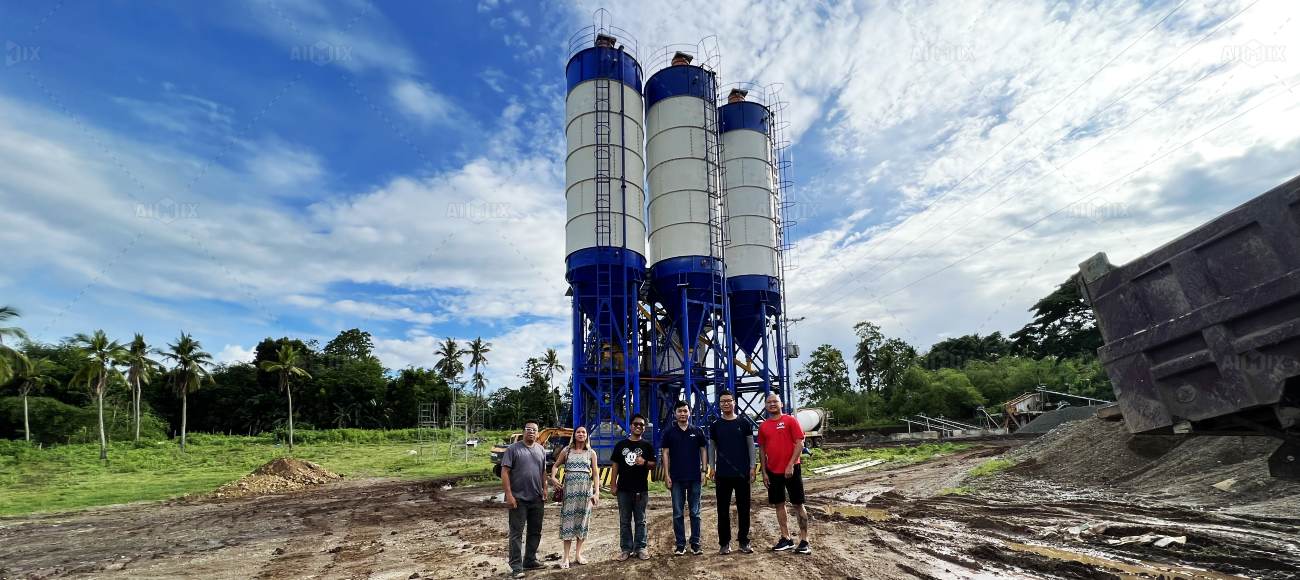
Civil Engineering and Site Construction Impact on Cost
One of the biggest differences between temporary and permanent plants lies in civil construction requirements. Permanent plants require extensive groundwork including soil stabilization, reinforced concrete foundations, drainage systems, and structural steel installations.
These civil works can account for a significant portion of the total project cost. In contrast, temporary plants minimize construction requirements, relying on modular steel frames or pre-installed base structures that reduce on-site engineering time.
This difference plays a crucial role in determining total investment, especially in international projects where labor and material costs vary widely. For example, in the UAE, rapid construction timelines often justify higher equipment costs in exchange for reduced civil engineering time.
Equipment Configuration Differences
Temporary batching plants usually feature compact designs with simplified systems such as mobile mixers, integrated aggregate bins, and trailer-mounted structures. These systems prioritize mobility over maximum production capacity.
Permanent plants, on the other hand, include high-capacity mixers, multiple cement silos, advanced weighing systems, and full automation control rooms. This results in higher efficiency, greater output stability, and reduced per-unit production cost over time.
The choice between these configurations significantly affects both initial investment and operational cost structure.
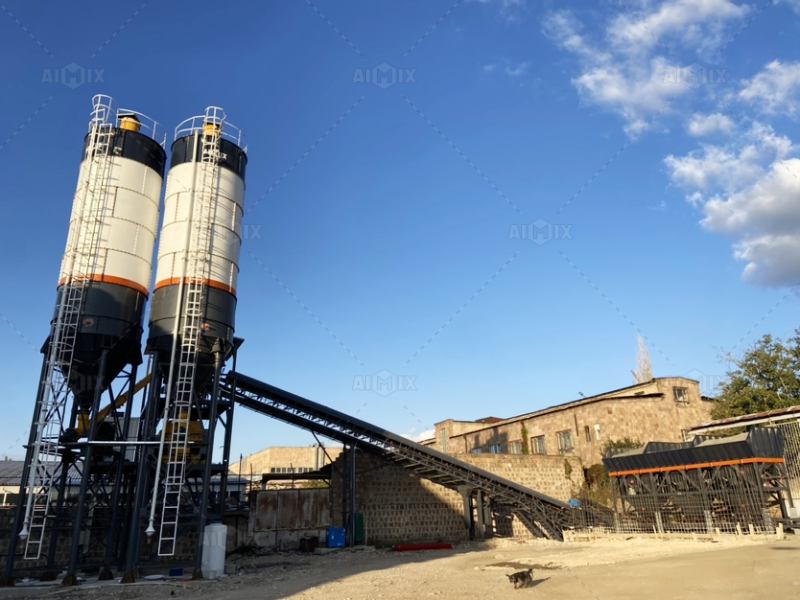
Operational Cost and Long-Term Investment Considerations
Although temporary plants require lower initial investment, they may involve higher long-term operational costs due to frequent relocation, reinstallation, and equipment wear during transportation.
Permanent plants offer better long-term cost efficiency because they are designed for continuous operation. Maintenance costs are predictable, and production processes are optimized for stability rather than mobility.
For investors planning how to start a concrete batching plant, it is important to evaluate not only purchase price but also operational lifespan, maintenance cycles, and production goals. A long-term business strategy usually favors permanent installations, while project-based contractors may prefer temporary systems.
Regional Market Insights: UAE vs UK
In the UAE, construction demand is driven by mega infrastructure projects, smart city developments, and rapid urban expansion. This creates strong demand for flexible batching plant systems that can be relocated across project sites.
As a result, many companies choose mobile or semi-mobile plants that balance cost and mobility. High temperatures and desert conditions also require robust cooling and dust control systems, which influence total equipment cost.
In contrast, the UK market focuses on sustainability, regulatory compliance, and long-term urban development. Permanent batching plants dominate due to stable construction demand and strict environmental standards. Energy-efficient systems and recycling technologies are often required, increasing initial investment but reducing long-term operating costs.
How to Start a Concrete Batching Plant Business
Starting a batching plant business requires careful planning and market evaluation. The first step is conducting a feasibility study to understand local demand for concrete and identify potential competitors.
Next, investors must choose between temporary and permanent plant configurations based on project duration, capital availability, and business model. Temporary plants are suitable for contractors focusing on short-term infrastructure projects, while permanent plants are ideal for long-term concrete supply businesses.
Additional steps include site selection, obtaining permits, selecting equipment suppliers, and planning logistics for raw material supply. In markets such as the UAE and UK, regulatory compliance plays a critical role in project approval and operational success.
Conclusion
The cost of a concrete batching plant varies significantly between temporary and permanent construction site applications. Temporary plants offer lower initial investment and higher mobility, making them suitable for short-term or remote projects. Permanent plants require higher construction and equipment costs but provide better long-term efficiency and stability.
Whether operating in the concrete batching plant in UAE market or the concrete batching plant UK industry, choosing the right configuration depends on project scale, regulatory requirements, and long-term business strategy. Understanding these cost differences is essential for anyone learning how to start a concrete batching plant and aiming to build a profitable construction business.