Highway construction contractors evaluating an asphalt plant for sale often prioritize initial asphalt plant cost while overlooking production reliability factors that determine project success on large-scale paving operations. An asphalt batch mixing plant priced competitively may lack quality control systems necessary for highway specifications, creating costly pavement failures months after project completion. Highway construction demands fundamentally different equipment priorities than municipal applications—production consistency, mix design flexibility, and environmental controls become critical rather than optional features. Contractors selecting an asphalt plant for sale must evaluate total lifecycle value including production capacity matching, mix quality assurance capabilities, and schedule reliability rather than focusing narrowly on asphalt plant cost alone.
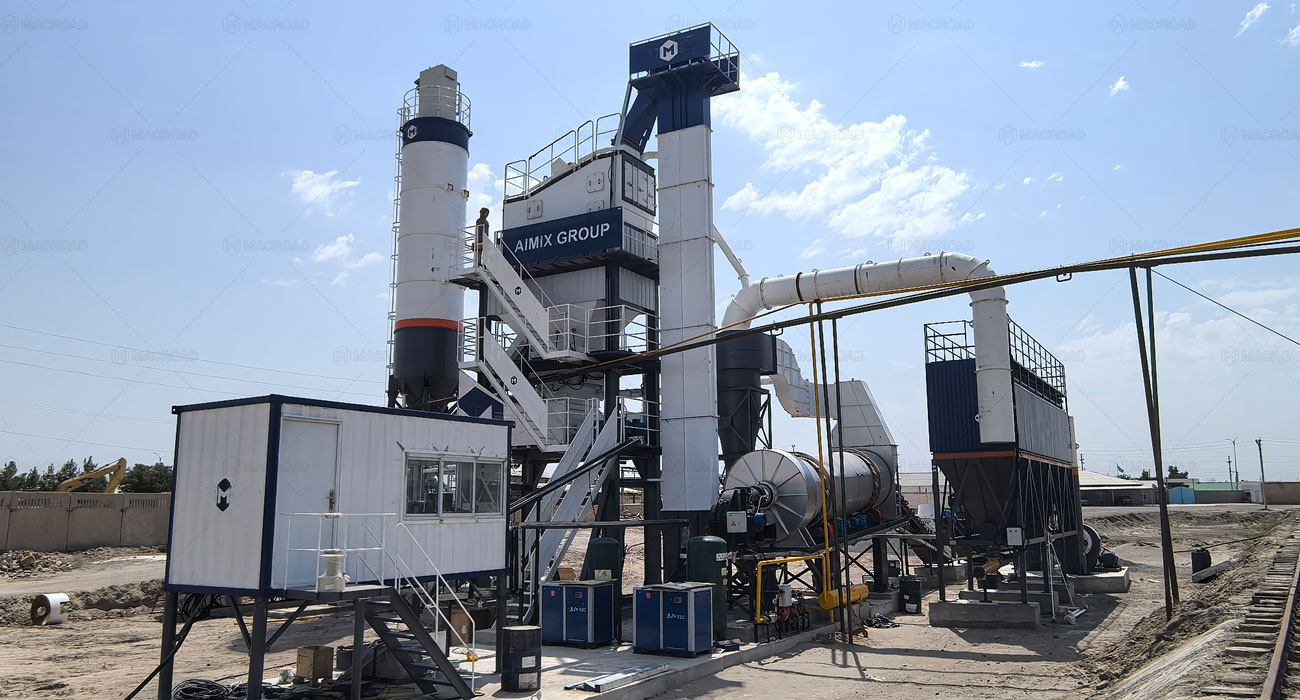
Production Capacity and Highway Project Timeline Requirements
Highway construction projects operate under rigid schedules where asphalt plant production must align precisely with paving crew capacity and weather windows. Contractors evaluating an asphalt plant for sale should calculate required output by analyzing paving equipment availability, crew size, and daily production targets rather than selecting equipment based on maximum theoretical capacity. A highway project requiring 500 tons daily across two paving machines demands an asphalt batch mixing plant capable of sustaining this output consistently—equipment rated at 150 tons per hour may deliver only 80-100 tons per hour under real operating conditions when accounting for material staging delays, temperature management, and quality testing procedures.
The asphalt plant cost quotation should be evaluated against realistic utilization rates specific to highway construction timelines. Projects concentrated in optimal weather seasons require higher peak capacity than annual averages suggest, while extended construction windows may justify smaller asphalt batch mixing plant equipment operating longer shifts. Contractors should request production curves from manufacturers showing output at various ambient temperatures, aggregate moisture levels, and mix design complexities rather than accepting headline capacity figures. An asphalt plant for sale proving economically justified must sustain required tonnage throughout project duration without equipment stress or quality compromises. Highway construction contractors should also verify whether asphalt batch mixing plant equipment includes automated production scheduling systems that optimize batch timing, reduce idle periods, and maintain consistent output despite weather variations or material supply fluctuations.
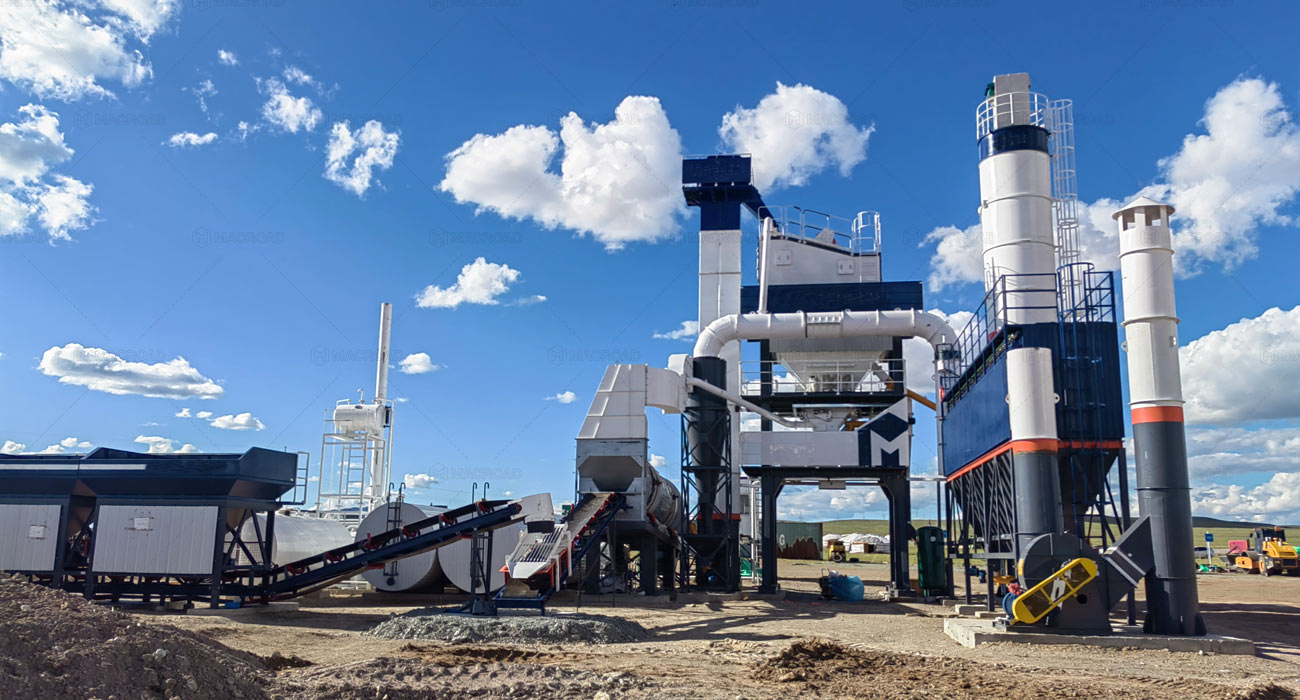
Mix Quality Control and Specification Compliance Systems
Highway specifications demand asphalt mix designs meeting strict performance criteria—binder content accuracy within 0.3%, aggregate gradation consistency, and temperature control within ±5°C. An asphalt plant for sale lacking sophisticated quality control systems cannot reliably produce highway-grade material, regardless of asphalt plant cost savings. Contractors should evaluate whether an asphalt batch mixing plant includes automated weighing systems with load cell redundancy, real-time temperature monitoring throughout mixing processes, and data logging capabilities that document every batch for quality verification. These systems prove essential when highway agencies require production records demonstrating specification compliance throughout project duration.
Advanced asphalt batch mixing plant equipment includes laboratory integration where mix designs are programmed directly into production systems, eliminating manual operator adjustments that introduce variability. An asphalt plant for sale worthy of highway construction investment features automated binder injection systems maintaining viscosity within narrow tolerances, moisture sensors triggering drying adjustments, and mixing drum temperature controls preventing thermal degradation of asphalt cement. Contractors should verify whether asphalt batch mixing plant equipment provides real-time quality dashboards displaying binder content, aggregate temperatures, and mix consistency metrics that operators monitor continuously. Highway construction demands this level of quality assurance—an asphalt plant for sale lacking these capabilities creates risk of specification failures and costly pavement rework. Quality control systems also reduce asphalt plant cost over project lifecycles by minimizing rejected batches, reducing material waste, and preventing schedule delays from quality investigations.
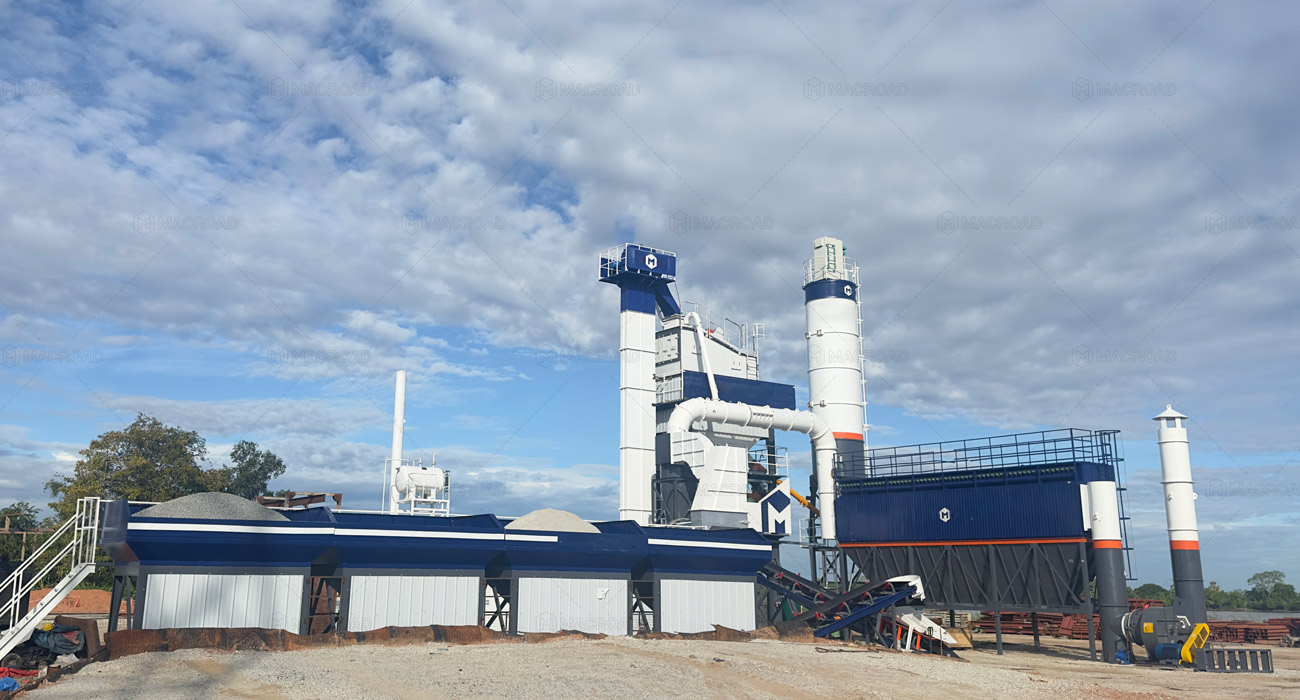
Environmental Controls and Regulatory Compliance Infrastructure
Highway construction projects increasingly operate near populated areas where environmental regulations mandate advanced emission controls and dust suppression systems. An asphalt plant for sale must include baghouse filtration, dust collection equipment, and emissions monitoring systems meeting local air quality standards—these systems represent significant asphalt plant cost components but prove mandatory rather than optional. Contractors should verify whether an asphalt batch mixing plant includes integrated environmental controls or whether these systems require expensive retrofitting after equipment installation. Regulatory non-compliance creates project shutdowns, fines, and schedule delays that dwarf initial asphalt plant cost savings from purchasing equipment lacking environmental infrastructure.
Noise suppression represents another critical consideration for highway construction projects operating in sensitive areas. An asphalt batch mixing plant generating 95+ decibels may violate local noise ordinances, forcing operational restrictions that limit production windows and extend project timelines. Contractors should request sound level measurements from asphalt plant for sale demonstrations, verifying whether equipment includes acoustic enclosures or burner silencers that reduce noise to acceptable levels. Environmental compliance systems add 15-20% to asphalt plant cost but enable project viability in regulated areas and prevent costly operational restrictions. Highway construction contractors should budget for these environmental infrastructure requirements when evaluating asphalt plant cost and total project economics rather than discovering compliance gaps after equipment installation.
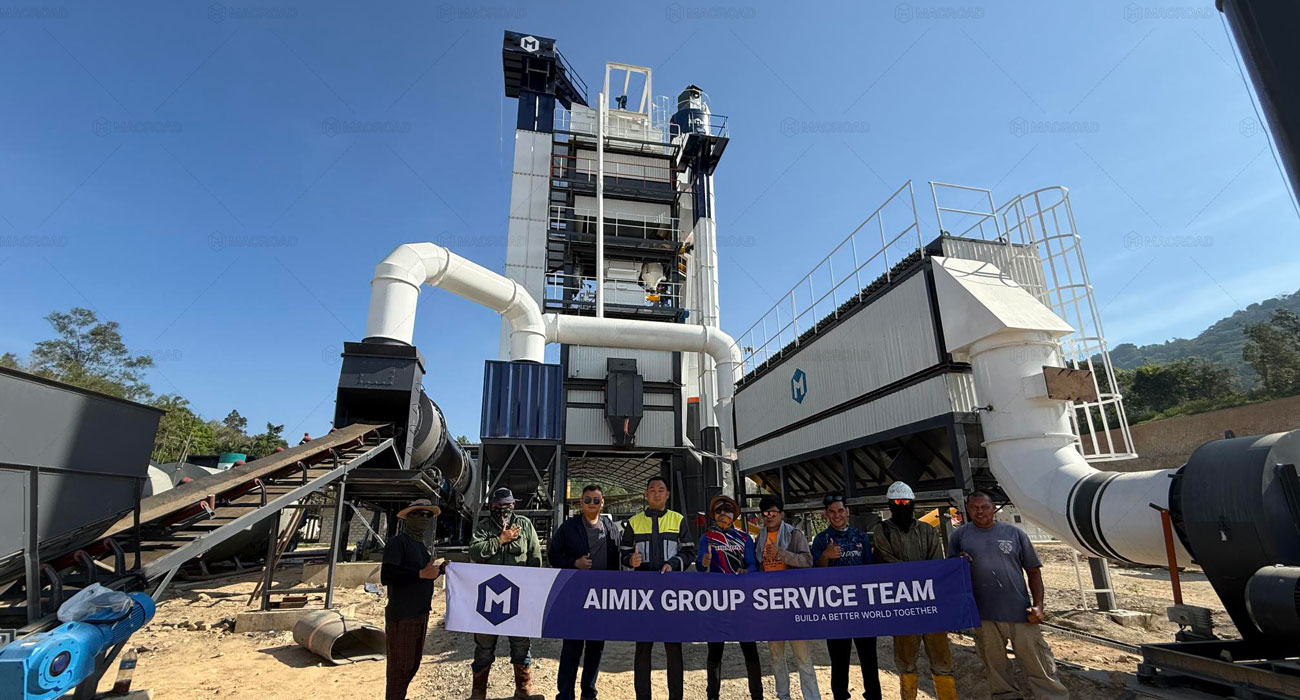
Schedule Reliability and Maintenance Support Infrastructure
Highway construction operates on compressed timelines where equipment downtime creates cascading delays affecting paving schedules, crew productivity, and project completion dates. An asphalt plant for sale must demonstrate reliability through documented performance history, robust component design, and accessible maintenance support. Contractors should investigate whether asphalt batch mixing plant manufacturers maintain regional service networks capable of responding to equipment failures within hours rather than days. Equipment requiring factory technician intervention for routine repairs creates unacceptable schedule risk on highway projects where daily delays compound into weeks of lost production.
Preventive maintenance programs prove essential for sustaining asphalt batch mixing plant reliability throughout extended highway construction seasons. Contractors should verify whether asphalt plant for sale equipment includes automated diagnostic systems that alert operators to component wear before failures occur, enabling planned maintenance during production windows rather than emergency repairs disrupting schedules. An asphalt batch mixing plant featuring modular component design enables rapid replacement of worn parts without extensive downtime—contractors should confirm whether critical components like burner nozzles, pump seals, and control modules can be replaced by local technicians within 2-4 hours. Asphalt plant cost comparisons should account for maintenance accessibility and support infrastructure, as equipment requiring extended downtime for repairs ultimately proves more expensive than higher-priced alternatives offering superior reliability and rapid service response. Highway construction contractors should request service level agreements from asphalt batch mixing plant manufacturers, confirming response times and repair commitments before equipment purchase.
Conclusion
Contractors involved in highway construction selecting an asphalt plant for sale must evaluate total lifecycle value extending far beyond initial asphalt plant cost. Successful equipment selection requires systematic analysis of production capacity alignment with paving schedules, mix quality control capabilities meeting highway specifications, environmental compliance infrastructure, and maintenance support accessibility. An asphalt batch mixing plant worthy of highway construction investment demonstrates consistent production reliability, sophisticated quality assurance systems, regulatory compliance capabilities, and responsive technical support networks. Contractors who conduct comprehensive evaluation of these factors identify equipment that sustains production requirements, maintains specification compliance, and minimizes schedule disruptions throughout extended highway projects. This strategic approach transforms asphalt plant cost discussions into informed capital investments that deliver reliable performance and project success across large-scale paving operations.