Latin America is experiencing an unprecedented surge in transport infrastructure development, highlighted by multi-billion dollar highway expansions and urban modernization campaigns. As public and private entities aggressively inject capital into regional transport networks, the material and machinery supply chains are facing significant adjustment pressures. At the center of this construction boom is the necessity for heavy paving machinery capable of delivering long-lasting, high-precision road surfaces.
Consequently, understanding the fluctuating asphalt paver price(pavimentadora de asfalto precio) has become a vital priority for regional contractors looking to optimize capital expenditures. The cost of acquiring these critical machines is driven by an intricate web of macroeconomic factors, technological breakthroughs, and deep-seated structural shifts in material supply. To secure their independent material pipelines and counter unpredictable supply chains, many heavy construction companies are choosing to invest directly in a dedicated asphalt plant for sale rather than relying on third-party commercial asphalt suppliers.
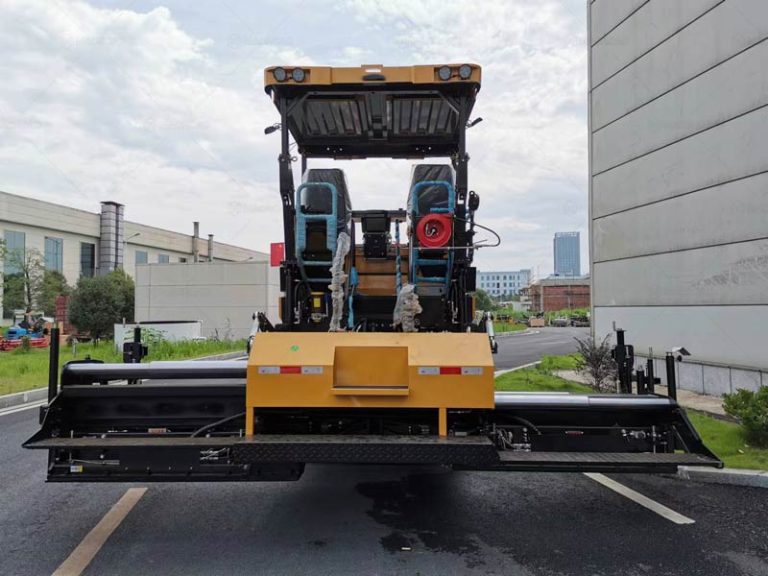
Macroeconomic Drivers and Regional Demand Shocks
The foremost element dictating the baseline price of asphalt pavers is the sharp increase in infrastructure spending across major Latin American economies. When regional governments allocate expansive budgets toward national road networks, the sudden influx of project tenders triggers a demand shock for heavy machinery. Manufacturers and equipment distributors respond to this constrained supply environment by adjusting retail margins upward and extending delivery lead times across the continent.
Compounding this localized demand is the global volatility of raw materials and energy costs. Asphalt pavers are heavy steel structures engineered with high-output diesel engines and complex hydraulic networks. Global fluctuations in steel pricing, alongside regional currency devaluations, directly inflate import tariffs and ocean freight logistics. Because the majority of high-capacity pavers are manufactured overseas, Latin American buyers regularly absorb these compounding macroeconomic overheads, which influences the final transaction value alongside the initial investment required when procuring a supporting asphalt plant for sale(planta de asfalto auxiliar en venta).
Technological Sophistication and Machine Specifications
The mechanical and electronic complexity of a modern paving unit is a massive determinant of its market valuation. Modern road construction contracts increasingly demand strict surface smoothness tolerances, real-time material tracking, and minimized emission profiles, shifting purchase trends away from basic mechanical units toward highly automated machinery.
The Premium for Intelligent Paving Systems
Today’s competitive asphalt paver configurations frequently feature advanced technology packages that command a significant pricing premium. Contractors are willing to pay more for machines integrated with features like automated grade and slope controls, GPS-guided leveling systems, and telematics suites that track real-time fuel consumption. While these technological integrations elevate the initial equipment investment, they drastically reduce aggregate waste and post-project remediation costs, justifying the higher upfront cost for high-volume highway projects.
To demonstrate how different machine scales and features alter procurement budgets, the following table summarizes the market variations across common paver classifications:
| Paver Classification | Average Paving Width | Core Technology Features | Primary Application Profile | Relative Price Index |
|---|---|---|---|---|
| Compact Urban | 1.5 – 3.0 meters | Basic hydraulic extensions, tight turning radius | City streets, pedestrian paths, patch repairs | Baseline Entry |
| Standard Utility | 2.5 – 5.0 meters | Semi-automated screed heating, basic telematics | Regional highways, commercial parking structures | Moderate Mid-Range |
| High-Capacity Tracked | 3.0 – 10.0+ meters | 3D grade control, full telematics, automated material feed | Expressways, airport runways, mining transit corridors | Premium High-Tier |
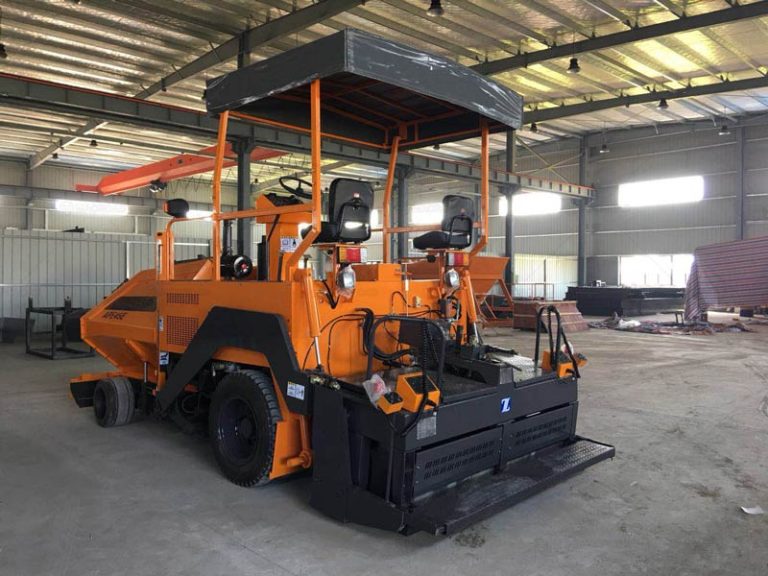
Production Methodologies: The Impact of Continuous Mixing Systems
An asphalt paver cannot operate in isolation; its productivity is fundamentally limited by the continuous supply of hot-mix material from nearby production sites. For extensive cross-country highway construction, the integration of a high-output drum mix asphalt plant(planta de asfalto continua de alto rendimiento) is highly favored by large-scale engineering consortiums. Because a drum mix asphalt plant produces a continuous, uninterrupted flow of asphalt material, it matches perfectly with high-capacity, tracked paving units.
This synchronized operational harmony eliminates the frequent starting and stopping of the paver crew, which is the primary cause of thermal segregation and surface irregularities in the finished road layer. By keeping the paver moving at a steady velocity, contractors maximize the efficiency of their expensive machinery, effectively lowering the per-kilometer equipment amortization cost. Consequently, the choice to pair an automated paving fleet with an efficient drum mix asphalt plant allows contractors to achieve better structural results while optimizing their overall equipment maintenance budgets.
The Rise of Localized, Flexible Production Fleet Configurations
In contrast to massive, static highway projects, rural connectivity initiatives and mountainous road rehabilitations across the Andes present severe geographical hurdles. In these scenarios, transporting hot mix from a distant centralized facility is unfeasible due to rapid material cooling along hazardous mountain routes. To resolve this logistical bottleneck, fleet managers frequently deploy a highly adaptable mobile asphalt plant alongside their paving crews.
The unique advantages of pairing modular infrastructure assets can be broken down as follows:
- Reduced Proximity Windows: A trailer-mounted mobile asphalt plant can be relocated directly alongside advancing highway segments, ensuring the mix arrives at the paver hopper at the exact target compaction temperature.
- Screed Temperature Control: Maintaining consistent mix temperatures drastically lowers mechanical strain on the paver’s heated screed plates, reducing wear-and-tear and cutting long-term component replacement expenses.
- Optimized Fleet Sizing: Access to a flexible mobile asphalt plant allows companies to pair their material production with compact, highly maneuverable wheeled pavers, avoiding the need to purchase oversized, cost-prohibitive tracking units for tight rural corridors.
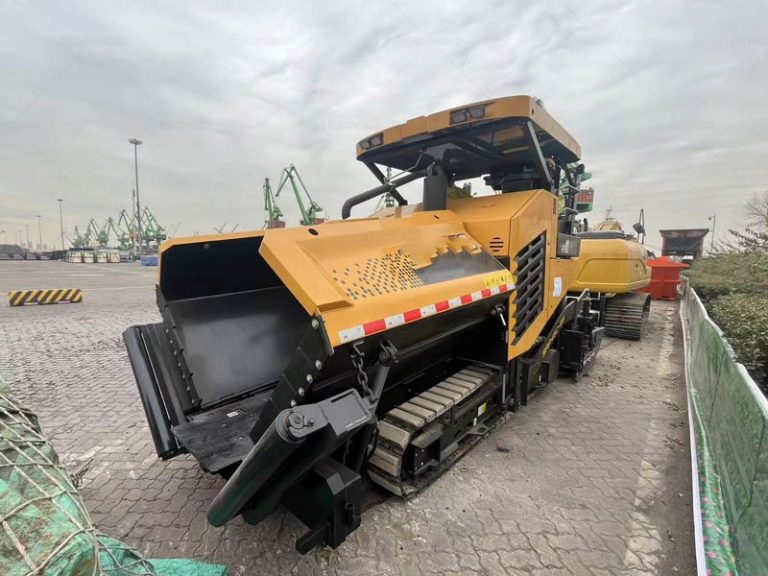
Long-Term Structural Market Adjustments
As Latin America enforces stricter environmental regulations regarding volatile organic compound emissions and energy consumption, the market landscape for paving machinery will continue to evolve. Heavy equipment manufacturers are introducing hybrid-electric drives and advanced fume-extraction systems tailored specifically for sensitive urban environments. These environmental adaptations, while necessary for future project compliance, add layers of manufacturing complexity that will firmly sustain the upward momentum of paving equipment valuations.
At the same time, the operational necessity to minimize carbon footprints is driving the engineering design of the modern mobile asphalt plant(diseño de ingeniería de la moderna planta de asfalto móvil). Modern mobile systems now feature enhanced thermal insulation and reclaimed asphalt pavement (RAP) recycling capabilities, allowing contractors to meet stringent green building certifications on the go. This evolution ensures that both upstream production units and downstream laying machinery work in unison to satisfy modern environmental mandates.
Ultimately, navigating the procurement of road construction fleets in this high-demand climate requires an integrated view of the supply chain. Contractors cannot look at equipment acquisition as isolated transactions. By understanding how international material markets dictate equipment costs, and by strategically balancing machinery purchases with the correct selection of continuous drum mix asphalt plant assets or flexible mobile mixing assets, construction enterprises can successfully protect their operational margins. This holistic approach ensures they deliver high-performance transport infrastructure capable of supporting Latin America’s long-term economic integration.