The linear economic model of “take, make, dispose” is rapidly becoming an anachronism in the modern construction landscape. As urban centers burgeon and obsolete infrastructure reaches the end of its life cycle, the volume of demolition waste generated is reaching apocalyptic proportions. However, this debris is not merely a burden to be shouldered by overburdened landfills; it is a latent resource, a veritable mine of raw materials waiting to be reincarnated. The transition from a linear to a circular economy hinges on our ability to process this heterogeneous mass efficiently. At the vanguard of this recycling revolution stands the mobile impact crusher, a machine of remarkable versatility that transforms chunks of concrete, asphalt, and brick into high-grade, saleable aggregates. This article explores the indispensable role these crushers play in closing the material loop, mitigating environmental degradation, and ensuring the sustainability of future construction projects.
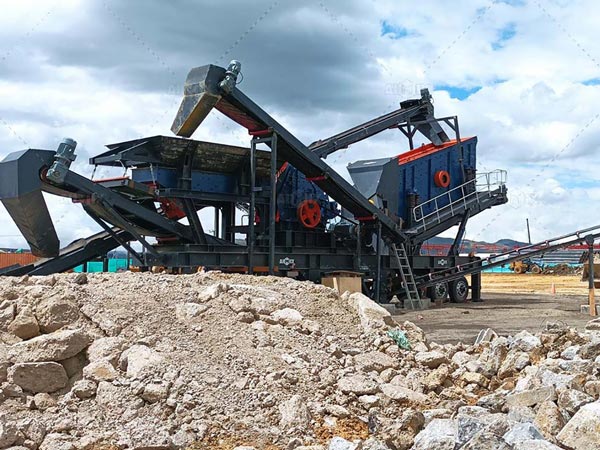
1. The Imperative for On-Site Recycling
The logistics of transporting demolition arisings to distant processing facilities are both financially punitive and environmentally deleterious. The imperative to process this material in situ is driven by a confluence of regulatory, economic, and ecological pressures.
Circularity and the Embodied Carbon Reduction
Transportation is a significant contributor to the embodied carbon of construction materials. Hauling rubble to a centralized construction waste recycling plant and then shipping virgin aggregates back to the site doubles the carbon footprint unnecessarily. Mobile impact crushers negate this logistical excursus by bringing the processing capability directly to the source of the waste. By crushing and screening the material on-site, contractors dramatically curtail diesel consumption associated with heavy goods vehicle movements. This reduction in “freight miles” is not merely an operational efficiency; it is a tangible contribution to decarbonizing the construction supply chain. The ability to produce “just-in-time” aggregate from the waste stream significantly lowers the project’s overall environmental overhead, aligning with the stringent sustainability targets increasingly mandated by governmental bodies and discerning clients.
Escalating Landfill Taxes and Disposal Costs
In the United Kingdom, the Landfill Tax has undergone a steady and inexorable escalation, making the disposal of inert construction waste a prohibitively expensive proposition. This fiscal deterrent is designed to incentivize waste diversion and resource recovery. When a contractor pays a premium to discard rubble, they are effectively subsidizing the loss of a valuable commodity. By employing a mobile impact crusher, the operator transmutes that liability into an asset. The crushed material can be used as sub-base for site roads, backfill for excavations, or sold to third parties as a certified recycled aggregate. This process transforms a cost center into a profit center, turning the financial burden of waste disposal into a lucrative revenue stream that offsets the operational costs of the project.
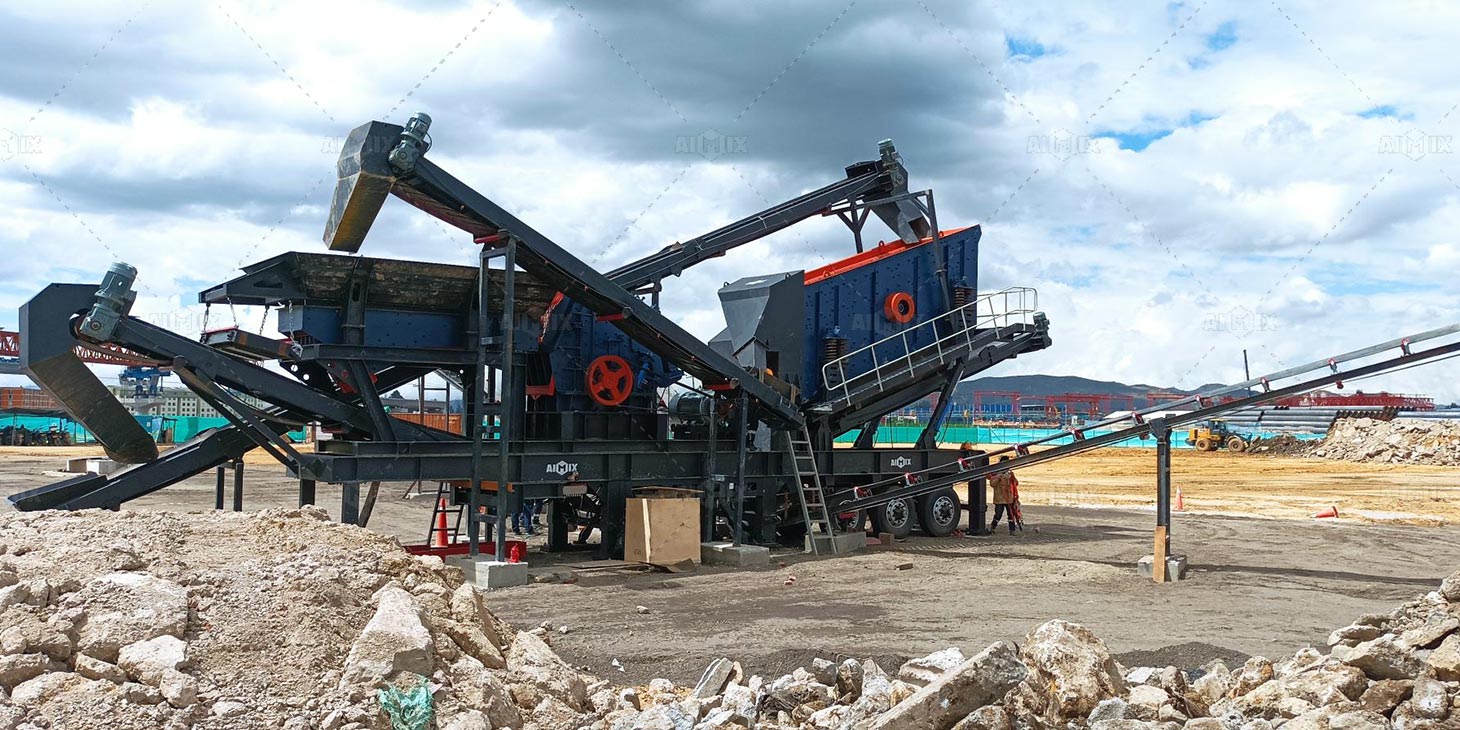
2. Operational Mechanics and Material Processing
Understanding the mechanical prowess of the mobile impact crusher is essential to appreciating its dominance in the recycling arena. It is a machine engineered to cope with the heterogeneity and inherent abrasiveness of demolition waste.
High Reduction Ratios and Product Consistency
Unlike jaw crushers, which are primarily compression machines suited for primary reduction, impact crushers excel at achieving a high reduction ratio in a single pass. The innovative design utilizes massive, heavy-duty rotors armed with blow bars that hurl the incoming material against anvils or grinding paths with tremendous kinetic energy. This attritionary process fractures the material along natural cleavage planes, yielding a high proportion of cubical, well-graded particles. This is a critical attribute for recycled aggregates destined for use in concrete manufacturing or road construction, as the interlocking nature of cubical particles enhances the load-bearing capacity of the base layer. The precision of the hydraulic adjustment systems allows operators to fine-tune the output gradation, ensuring compliance with the stringent specifications required for different applications, from drainage materials to structural fill.
Adaptability to Diverse Material Infeed
Demolition sites rarely present a homogenous feedstock. The infeed typically comprises a chaotic mixture of reinforced concrete, brick masonry, ceramic tiles, asphalt, and occasional tramp metal. A robust mobile impact crusher is engineered to navigate this diversity. Advanced concrete crushers incorporate hydraulically assisted aprons designed to “give” when encountering unbreakable objects like steel rebar, preventing catastrophic damage. Furthermore, the integration of high-strength magnetic separators positioned over the discharge conveyor ensures the extraction of ferrous metals, allowing them to be stockpiled for sale to scrap merchants. This ability to process and simultaneously purify the aggregate stream ensures that the final product is clean, consistent, and free of contamination, thereby maximizing its market value and application potential.
3. Economic Viability and Commercial Advantages
The decision to integrate a mobile impact crusher into a demolition or construction workflow is substantiated by a compelling economic rationale that extends beyond simple material savings.
Reducing Dependency on Quarried Materials
The extraction of virgin aggregates is not only environmentally destructive but also a volatile commodity subject to price fluctuations and availability constraints. By substituting a proportion of the project’s aggregate requirements with crushed recycled material, contractors insulate themselves from the vagaries of the quarry market. This self-sufficiency is a significant competitive advantage, allowing for more accurate cost forecasting and reduced exposure to supply chain disruptions. As the quality of recycled aggregates continues to improve, driven by advancements in crushing and screening technology, the scope for substitution in higher-grade applications expands, further diminishing the operational need to rely on finite natural resources.
Wear Part Longevity and Total Cost of Ownership
While the capital expenditure for a mobile crusher machine is substantial, the Total Cost of Ownership (TCO) is managed through meticulous attention to wear part longevity. Manufacturers have developed advanced metallurgies, such as martensitic and ceramic-impregnated steels, to combat the abrasive nature of recycled concrete and asphalt. These high-quality blow bars and wear liners, though more expensive initially, offer a far longer service life, reducing the frequency and cost of downtime for maintenance. By analyzing the cost per ton processed, rather than the initial purchase price of the parts, operators realize that premium components deliver a lower overall cost base. This financial prudence, coupled with the revenue generated from selling the processed aggregate, ensures a rapid return on investment and a sustained, profitable operation.
Enhancing Site Efficiency and Project Velocity
On-site recycling compresses the project timeline considerably. There is no waiting for skip hire, no scheduling conflicts with disposal facilities, and no prolonged lead times for delivery of imported hardcore. The crushing operation runs concurrently with the demolition phases, crushing material as it is produced. This “just-in-time” processing eliminates double-handling of materials, streamlines logistics, and ensures that the site remains orderly. The generated aggregate is immediately available for use, allowing follow-on earthworks and civil engineering tasks to proceed without interruption. This acceleration of the construction schedule translates directly into early project completion, reduced overheads, and enhanced client satisfaction.