Designing an efficient crushing production line requires more than simply selecting a powerful crusher. A suitable stone crusher machine production line should be customized according to raw material characteristics, required output capacity, final aggregate size, and application requirements. Different stones require different crushing strategies. For example, a cobblestone crusher needs to handle high hardness and smooth surface characteristics, while a quartz crusher must deal with extremely abrasive materials, and a marble crusher should focus on maintaining product quality and controlling excessive fines. A well-designed crushing system can improve productivity, reduce operating costs, and provide stable aggregate production for quarry and construction projects.
1. Analyze Raw Material Characteristics Before Selecting Equipment
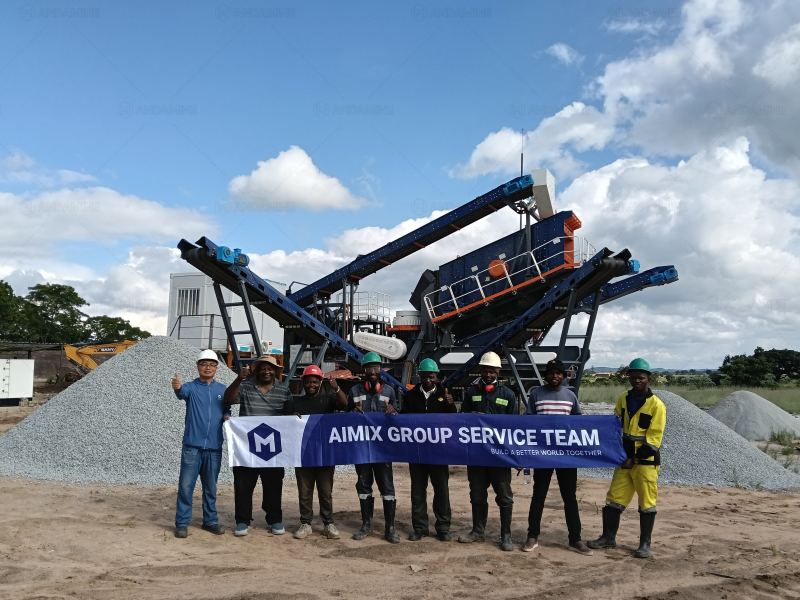
The first step in designing a stone crushing production line is understanding the properties of the raw material. Factors such as hardness, abrasiveness, moisture content, feed size, and required output size directly affect crusher selection and production efficiency. Different types of rocks require different crushing methods to achieve the desired results.
For example, cobblestone is usually hard and wear-resistant, with a rounded shape that can affect feeding and crushing efficiency. A cobblestone crusher production line often requires strong primary crushing equipment, such as jaw crushers, combined with secondary crushing equipment to achieve suitable aggregate shapes. Proper screening is also important because construction projects usually require different sizes of cobblestone aggregates.
Quartz has even higher hardness and abrasiveness, making equipment durability a key consideration. A quartz crusher line usually requires wear-resistant components and optimized crushing stages to reduce maintenance frequency. Marble, on the other hand, is relatively softer but has higher value requirements, so a marble crusher system should focus on producing clean and high-quality aggregates while minimizing unnecessary material loss.
2. Choose the Right Crushing Stages for Aggregate Production
A complete stone crusher machine production line usually includes primary crushing, secondary crushing, screening, and sometimes tertiary crushing. The number of crushing stages depends on the raw material size and the final aggregate requirements. Large stones extracted from quarries normally need multiple reduction stages before reaching the required specifications.
Primary crushing is mainly responsible for reducing large rocks into manageable sizes. Jaw crushers are commonly used at this stage because they can handle large feed materials and provide reliable performance. For hard materials such as quartz and cobblestone, a strong primary crusher helps improve the efficiency of the entire production process.
Secondary and tertiary crushing stages focus on improving particle size and shape. Cone crushers are often selected for hard rock applications because they provide high crushing efficiency and good wear resistance. Impact crushers may be suitable for materials requiring better particle shape, especially when producing aggregates for concrete and road construction.
3. Match Production Capacity with Project Requirements
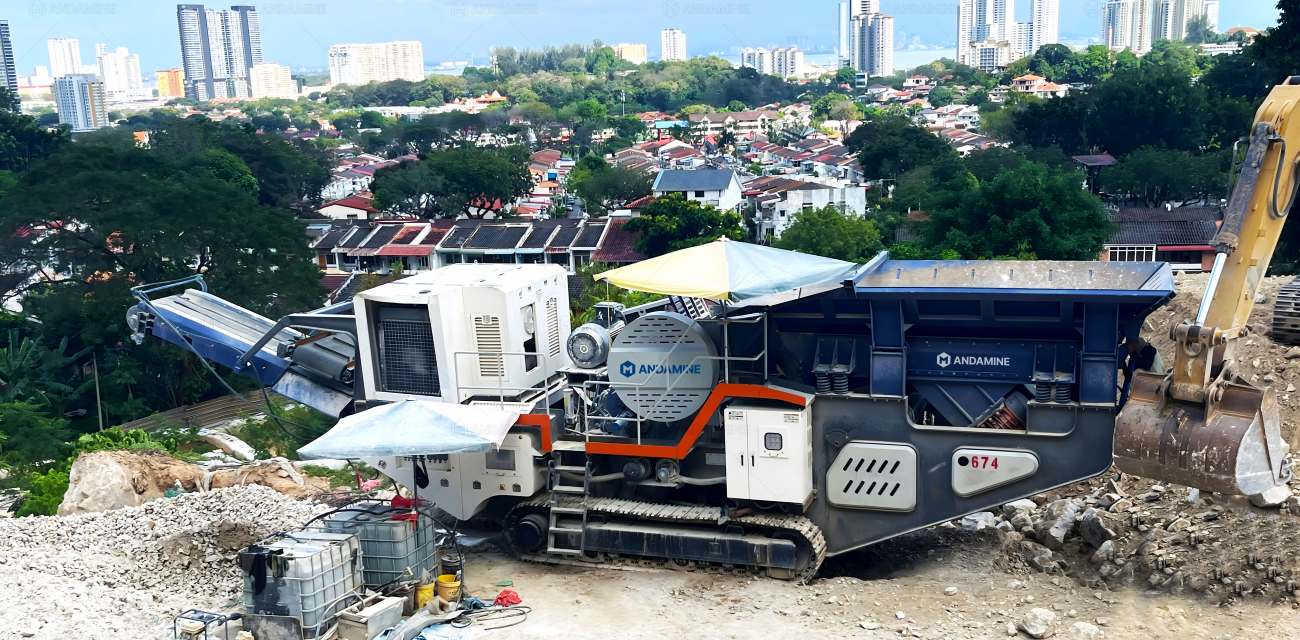
Production capacity is another important factor when designing a stone crushing plant. A production line that is too small may not meet market demand, while an oversized system can increase investment and operating costs. Therefore, the capacity of each component, including feeders, crushers, screens, and conveyors, should be properly matched.
Before selecting a stone crusher machine, investors should estimate expected daily production, working hours, raw material availability, and future expansion plans. For example, a small quarry supplying local construction projects may require a compact crushing system, while a large aggregate producer may need a high-capacity plant operating continuously.
A balanced production line ensures that each machine operates efficiently. If the crusher capacity is higher than the screening capacity, material flow may become restricted. Similarly, insufficient feeding capacity can prevent the crusher from reaching its designed output.
4. Design the Screening and Material Handling System
Screening equipment plays an essential role in aggregate production because it separates crushed materials into different sizes. The final product requirements determine the number of screening stages and the type of screens needed.
For example, road construction projects may require several aggregate sizes, including coarse stone, medium gravel, and fine materials. An efficient screening system ensures that each product meets customer specifications while reducing unnecessary recirculation back into the crusher.
The conveyor system should also be carefully designed. Proper conveyor arrangement reduces material transportation distance, improves production flow, and lowers energy consumption. In mobile crushing applications, optimized material handling is especially important because the plant may operate in changing quarry locations.
5. Consider Equipment Wear and Maintenance Requirements
Wear resistance is a critical consideration when designing a crushing production line, especially for abrasive materials. Continuous crushing operations create significant impact and friction on crusher liners, jaw plates, and other wear components.
A quartz crusher requires particularly strong wear protection because quartz can quickly damage unsuitable equipment. Selecting high-quality wear parts and maintaining proper operating conditions can extend equipment service life and reduce downtime.
For a cobblestone crusher, controlling feeding conditions and preventing oversized material from entering the crusher chamber can reduce unnecessary stress on the equipment. For a marble crusher, regular maintenance helps maintain stable output quality and avoid excessive fine material production.
6. Select Between Stationary and Mobile Crushing Solutions
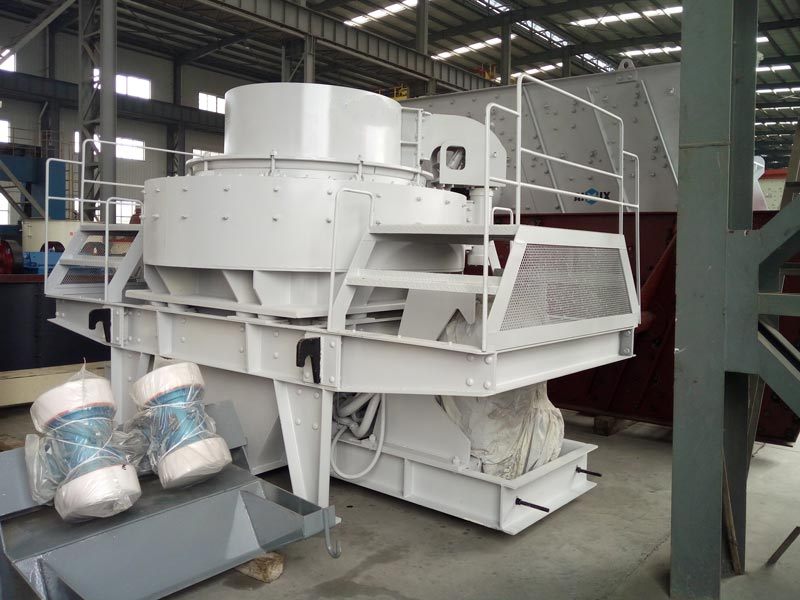
The project environment also influences the choice of crushing plant design. Stationary stone crusher machine systems are suitable for long-term quarry operations with stable production requirements. They usually provide high capacity and can be customized for large-scale aggregate production.
Mobile crushing plants offer greater flexibility because they can be transported between different working areas. They are particularly suitable for temporary projects, remote locations, and construction sites where reducing material transportation costs is important.
When processing materials such as granite, cobblestone, quartz, or marble, the choice between stationary and mobile solutions depends on project duration, production demand, transportation conditions, and investment plans.
7. Improve Efficiency Through Automation and Intelligent Control
Modern stone crushing plants increasingly use automation systems to improve operational efficiency. Intelligent control systems can monitor equipment performance, adjust operating parameters, and provide real-time production information.
Automation helps operators maintain stable feeding, optimize crusher performance, and reduce production interruptions. For large-scale aggregate projects, intelligent management can improve equipment utilization and lower long-term operating costs.
A properly automated stone crusher machine production line can provide more consistent aggregate quality while reducing dependence on manual operation. This is especially valuable for businesses producing large volumes of construction materials.
Conclusion
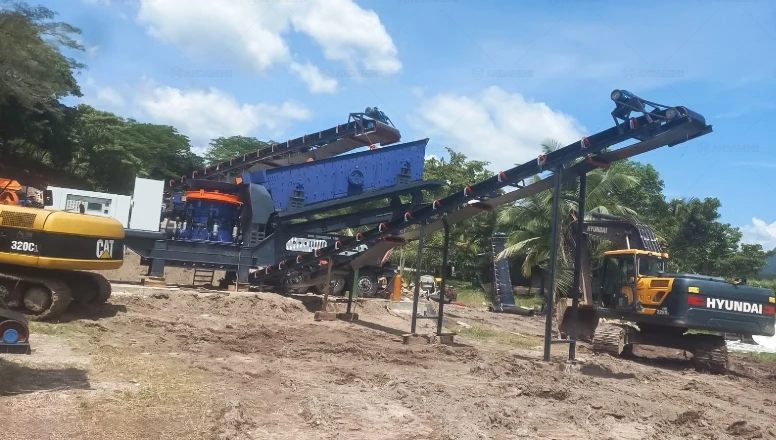
Designing a stone crushing production line based on aggregate requirements requires careful consideration of material properties, production capacity, crushing stages, screening systems, maintenance needs, and project conditions. Whether processing cobblestone, quartz, marble, or other types of rock, selecting the right stone crusher machine configuration is essential for achieving efficient and profitable production. A well-planned system using suitable equipment such as a cobblestone crusher, quartz crusher, or marble crusher can improve output quality, reduce operating costs, and provide reliable aggregate supply for different construction and mining applications.