Financing a crushing and screening plant requires more than comparing equipment prices or estimating annual revenue. Investors need to determine whether projected aggregate sales can cover the initial investment, operating expenses, loan repayments, and unexpected costs throughout the equipment’s service life. A reliable financing plan connects production capacity with realistic market demand, customer payment terms, raw material availability, and seasonal operating conditions. By evaluating cash flow alongside sales forecasts, a crusher plant business can select suitable equipment, control financial risk, and avoid committing to a production capacity that its market or working capital cannot support.
1. Calculate the Total Investment Before Choosing Financing
The purchase price is only one component of the initial investment. A complete budget should include all costs required to install the plant, start production, and deliver saleable aggregates. Underestimating these expenses can create a cash shortage before the operation reaches its planned output.
Typical upfront costs include:
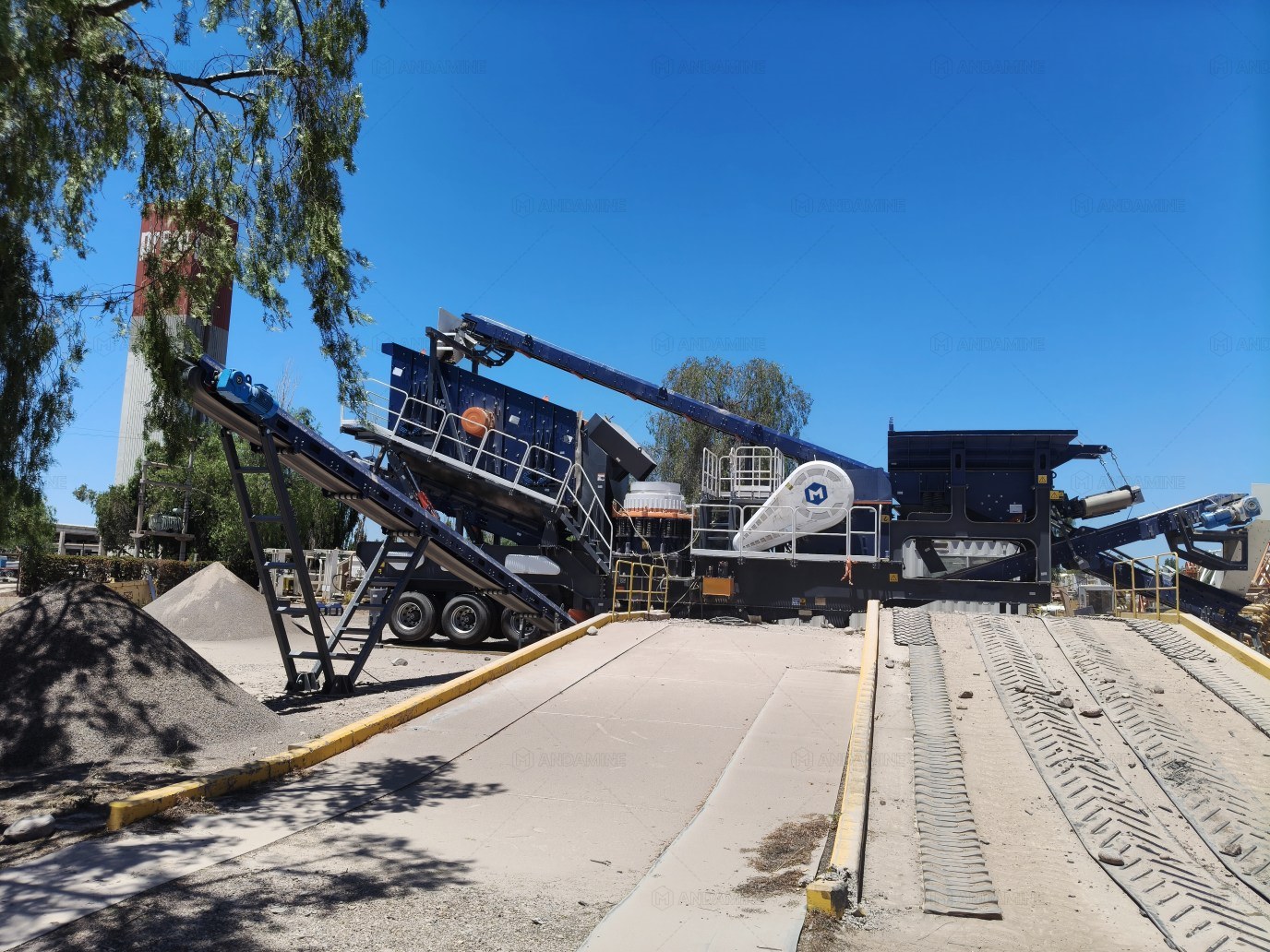
- Crushing and screening equipment: Primary and secondary crushers, vibrating screens, feeders, conveyors, and electrical control systems.
- Site preparation: Ground leveling, access roads, drainage, foundations where required, and stockpile areas.
- Transportation and installation: Freight, unloading, assembly, commissioning, and operator training.
- Supporting infrastructure: Power supply, fuel storage, water systems, workshops, and spare-parts storage.
- Licensing and compliance: Applicable permits, environmental controls, safety systems, and professional services.
- Working capital: Cash for payroll, fuel, utilities, wear parts, raw materials, and other expenses before customer payments arrive.
When comparing stone crusher plant cost estimates, investors should check whether each quotation includes the same equipment scope, installation requirements, transport arrangements, and support services. A lower equipment price may not result in a lower total project cost if additional machinery, site work, or modifications are necessary.
It is also important to separate capital expenditure from operating expenditure. Equipment purchases and major site improvements are generally upfront investments, while fuel, electricity, labor, maintenance, and consumables recur during production. This distinction makes financing requirements easier to calculate and helps prevent operating cash from being used to cover unexpected installation costs.
2. Build a Sales Forecast From Realistic Market Demand
Equipment capacity does not automatically translate into sales revenue. A plant rated at 200 tons per hour may produce substantially less over a year because of maintenance, material shortages, weather, limited operating hours, or insufficient customer demand. A financial forecast should therefore start with expected saleable output rather than the crusher’s maximum rated capacity.
Estimate Practical Annual Sales Volume
A useful starting point is to estimate annual production using planned operating hours, expected utilization, and saleable product yield:
Annual saleable output = Rated capacity × Operating hours × Utilization rate × Saleable yield
For example, consider a plant rated at 150 tons per hour, operating for 6 hours per day over 250 days per year. If average utilization is 70% and 90% of processed material becomes saleable product, estimated annual saleable output is:
150 × 6 × 250 × 70% × 90% = 141,750 tons per year.
This is a planning estimate, not a guaranteed production figure. Actual results depend on the material, crushing circuit, product specifications, downtime, and market conditions. The forecast should also reflect whether all products can be sold at the expected prices. Excessive fines or unwanted size fractions may reduce revenue even when total tonnage is high.
Forecast Revenue by Product Grade
Crushing and screening plants often produce several aggregate sizes, such as manufactured sand, fine aggregate, and coarse aggregate. Each product can have a different selling price and customer base. Forecasting revenue by product grade is more reliable than applying one average price to all output.
For each product, estimate the saleable quantity, expected selling price, and likely demand. Concrete producers may require consistent grading, while road contractors may purchase specified base materials. Local competitors, transportation distance, seasonal construction activity, and customer contracts should inform the assumptions.
Investors should distinguish confirmed orders from potential sales. Signed supply agreements provide stronger evidence of demand than general market estimates, although contracts still need to be reviewed for pricing conditions, delivery obligations, and customer credit risk.
3. Match the Financing Structure to the Project
Once the total investment and expected cash flow are established, investors can compare financing options. The appropriate structure depends on available equity, borrowing costs, repayment terms, equipment delivery schedules, and the time needed for the plant to reach stable production.
Self-Financing
Using internal funds avoids loan interest and scheduled debt repayments. It can also simplify purchasing decisions. However, investing too much cash in equipment may leave insufficient working capital for daily operations. Investors should preserve an adequate reserve for repairs, slow sales periods, and delayed customer payments instead of allocating all available funds to the initial purchase.
Equipment Loans
Equipment loans spread the purchase cost over an agreed repayment period. Before accepting a loan, compare the interest rate, down payment, fees, collateral requirements, repayment frequency, and penalties for early repayment. The repayment schedule should fit the expected timing of cash receipts rather than relying solely on projected annual profit.
Monthly payments can become difficult to meet if the plant experiences a production interruption or customers delay payment. A financing plan should therefore test whether the business can continue making repayments during a temporary downturn.
Leasing and Supplier Financing
Leasing may reduce the initial cash requirement, depending on the agreement and local financing conditions. Supplier financing may also be available for eligible equipment purchases. Investors should compare the total payments, ownership terms, maintenance responsibilities, and end-of-contract obligations rather than choosing an option based only on the smallest initial payment.
For a new crusher plant business, preserving liquidity can be particularly important because customer relationships, production efficiency, and reliable delivery schedules may take time to establish. The best financing arrangement is one that supports equipment acquisition without creating excessive repayment pressure during the startup period.
4. Compare Mobile and Stationary Equipment Financially
The choice between mobile and stationary equipment affects both the initial budget and the operating model. A stationary crushing and screening plant may be suitable for a long-term quarry with substantial reserves and stable demand. A mobile system can be attractive when material sources change, projects are temporary, or transportation of raw material to a fixed plant would be expensive.
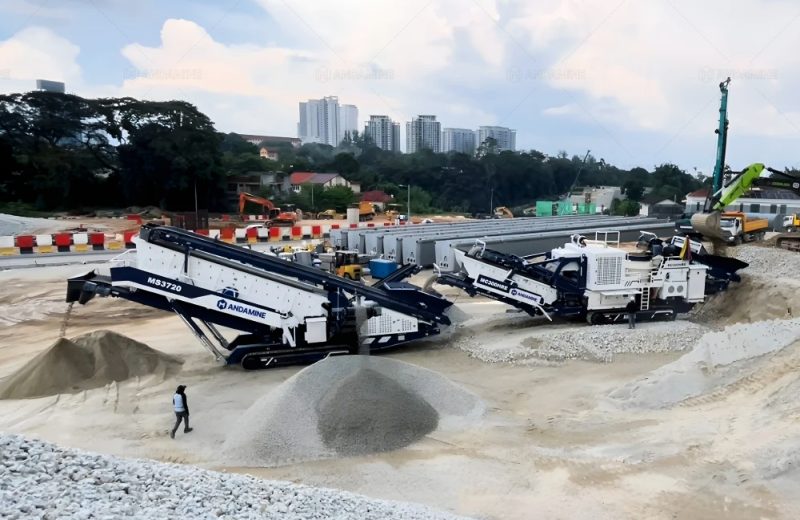
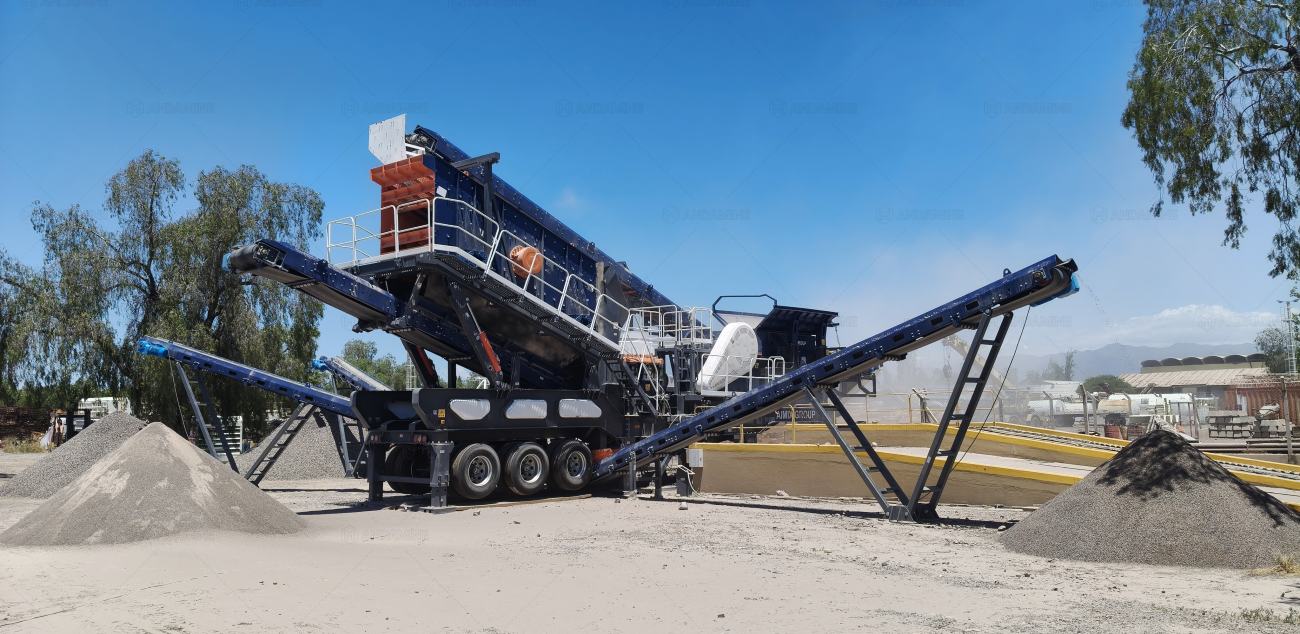
When evaluating a mobile rock crusher for sale, investors should look beyond the purchase price. Consider transport requirements, setup time, fuel consumption, maintenance access, achievable output, and the ability to produce the required aggregate sizes. A mobile unit may reduce some civil construction requirements, but it may still require supporting screens, conveyors, loaders, or additional crushing stages.
Stationary equipment can offer advantages in a permanent operation with high and predictable production demand. However, its foundations, installation, and fixed-site infrastructure may increase upfront expenditure. Relocating the plant later could also be more difficult and costly.
A fair comparison should calculate the total cost per saleable ton under the expected operating conditions. If the plant will serve several projects, include relocation costs and the time lost during movement. If it will remain at one quarry for many years, compare those costs with the potential benefits of a permanent installation and integrated production line.
5. Use Cash Flow Analysis to Test Repayment Capacity
Profit and cash flow are not the same. A plant may record positive accounting profit but still lack enough cash to pay suppliers, employees, or lenders on time. This can happen when customers purchase on credit, inventories increase, or major maintenance expenses occur before invoices are collected.
A monthly cash flow forecast should record:
- Cash received from aggregate sales and other operating revenue.
- Payments for fuel, electricity, labor, raw materials, maintenance, and transportation.
- Loan principal, interest, lease payments, and other financing obligations.
- Taxes, insurance, permit costs, and planned capital expenditure.
- Customer payment delays, inventory changes, and the minimum cash reserve required.
Pay special attention to the gap between paying operating expenses and receiving customer payments. If contractors normally settle invoices after 30 or 60 days, the plant needs enough working capital to continue production during that period. A business with strong sales but weak cash collection can still experience financial distress.
Investors can also calculate the debt service coverage ratio (DSCR), which compares cash available for debt repayment with scheduled principal and interest payments. A ratio above 1 means the projected cash available exceeds the scheduled debt service, but a small margin may leave little protection against lower sales or unexpected repairs. Lenders may impose their own minimum requirements, so the calculation method and target should be confirmed with the financing provider.
6. Test the Business Under Different Market Scenarios
A financing plan should not rely on a single optimistic forecast. Scenario analysis shows how the project performs when operating conditions differ from expectations. At minimum, prepare a base case, a downside case, and an upside case.
- Base case: Use realistic production utilization, expected product prices, and normal operating expenses.
- Downside case: Reduce sales volume and selling prices while increasing selected costs, such as fuel, repairs, or transport.
- Upside case: Test stronger demand or improved utilization, but include the extra working capital and operating resources needed to support higher output.
For example, if a plant becomes unprofitable when sales volume falls by only 10%, the financing structure may be too aggressive or the business may have limited market flexibility. The investor could consider a larger cash reserve, a lower initial equipment capacity, additional confirmed customers, or a different repayment schedule.
Break-even analysis provides another useful check. Divide fixed operating costs by the contribution earned per ton after variable costs to estimate the volume required to cover those fixed costs. Financing payments, taxes, and capital replacement requirements should also be considered when assessing the project’s overall financial resilience.
7. Align Equipment Purchasing With Cash Availability
Equipment delivery, site preparation, commissioning, and the first sales receipts rarely occur at exactly the same time. The purchasing schedule should coordinate supplier payment milestones with loan disbursements, installation progress, and the availability of working capital. Confirm what is included in the contract and which expenses must be paid separately before production begins.
Before placing an order, verify the plant’s capacity against the actual feed material, required output sizes, and expected daily operating hours. Request a clear equipment configuration and establish which auxiliary machines are necessary. Buying an undersized plant may constrain sales, while overinvesting in capacity can increase debt service and leave equipment underutilized.
It is also prudent to reserve funds for critical spare parts and scheduled maintenance. A breakdown during a peak sales period can reduce cash inflows precisely when loan payments and payroll remain due. Preventive maintenance and dependable parts availability are therefore financial planning issues as well as operational concerns.
Conclusion
Financing a crushing and screening plant successfully requires a clear connection between total investment, realistic sales forecasts, operating costs, and debt repayment capacity. Investors should compare complete stone crusher plant cost estimates, forecast saleable output by product grade, and evaluate financing options against monthly cash flow rather than projected revenue alone. Whether choosing stationary equipment or a mobile rock crusher for sale, the goal is to match production capability with sustainable market demand. A conservative financial model, adequate working capital, and regular performance reviews can help a crusher plant business manage uncertainty and maintain reliable operations as market conditions change.