Urban renewal across Latin America is undergoing a transformative shift as municipalities, urban planners, and private developers strive to balance rapid infrastructure expansion with economic and environmental sustainability. In fast-growing metropolitan centers across Peru and Argentina, managing construction and demolition (C&D) waste presents both a major ecological challenge and a highly lucrative resource opportunity. By integrating advanced waste processing technologies into modern city planning, local development sectors can convert massive volumes of urban debris into high-quality recycled materials, drastically cutting raw material expenditures while revitalizing aging urban landscapes.
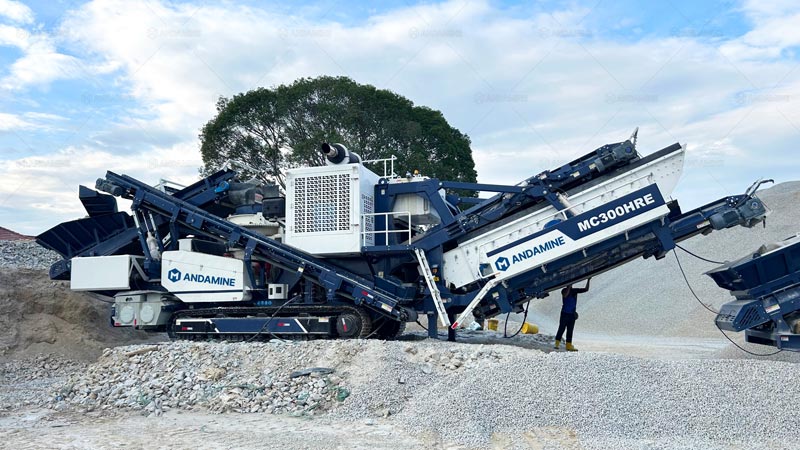
At the very center of this sustainable transition is the modern aggregate plant. By processing reinforced concrete, brick, and masonry waste directly near urban re-development sites, an aggregate plant(planta de agregados) allows construction firms to produce essential structural fill, road base materials, and concrete aggregates locally. This localized circular economy approach drastically reduces reliance on distant natural quarries, minimizes haulage expenses, eliminates heavy landfill tipping fees, and shields regional public works projects from unpredictable raw material price spikes in fluctuating local markets.
The Rising Demand for Efficient Aggregates in Latin American Infrastructure
Infrastructure modernization across South America demands continuous, massive volumes of raw stone, sand, and gravel. However, extracting virgin materials from natural ecosystems leads to severe environmental degradation, excessive freight fees, and supply chain bottlenecks that frequently delay critical project timelines. Utilizing recycled construction waste through an optimized aggregate plant bridges the gap between high material demand and sustainable resource management, transforming municipal waste liabilities into durable physical assets.
By establishing circular material flows within dense metropolitan boundaries, Latin American municipalities can significantly lower their carbon footprints while preserving adjacent natural ecosystems. The strategic adoption of modern aggregate plant systems ensures that urban growth does not come at the expense of regional resource depletion or unmanageable municipal waste overheads.
Key Economic and Environmental Drivers
- Freight Cost Reduction: Sourcing virgin gravel requires heavy haulage from distant rural quarries into dense city centers. Processing recycling aggregate locally significantly shortens transportation distances and lowers operational fuel consumption.
- Landfill Diversion: Reclaiming dynamic C&D debris reduces severe municipal landfill pressures, preventing illegal dumping along urban outskirts and coastal environments.
- Lower Production Costs: On-site crushing, screening, and sorting yield high-grade secondary building materials at a small fraction of the cost associated with traditional virgin quarry extraction.
- Regulatory Compliance and ESG Alignment: Embracing sustainable recycling technologies helps international contractors meet strict environmental guidelines and unlock green building certifications for major civic developments.
Overcoming Material Cost Barriers: Stone Crushing Plants in Peru
In Peru, rapid urbanization across coastal hubs like Lima and high-altitude mountain regions has driven up the demand for accessible, low-cost building materials. Municipalities and private construction companies are increasingly turning to specialized stone crushing plants in Peru to recycle urban structural debris and process river rock into clean, graded, and usable construction components for municipal projects.
By establishing dedicated stone crushing plants in Peru(plantas chancadoras de piedra Perú) near key re-development zones and transit corridors, project managers can drastically reduce transport overheads and streamline material delivery schedules. Processing old reinforced concrete waste locally ensures a continuous, reliable supply of structural sub-base material for new highways, building foundations, and broad public works. This localized manufacturing model allows contractors to reallocate critical financial capital toward higher-value engineering and structural components without compromising overall build quality.
Furthermore, the operational flexibility offered by modern stone crushing plants in Peru enables local operators to adapt to varying feed materials—ranging from river bed gravel to heavy slab demolition debris—ensuring high equipment utilization rates year-round across diverse regional geographical contexts.
| Metric / Indicator | Traditional Quarry Sourcing | On-Site Recycling Plant |
|---|---|---|
| Material Transport Expense | High (Long haulage distances from rural fringes) | Low (Processed directly within or near city limits) |
| Supply Chain Stability | Vulnerable to fuel price spikes & road closures | Highly predictable, localized daily material output |
| Environmental Impact | High resource depletion & elevated carbon emissions | Low emissions & significant landfill waste diversion |
| Capital Allocation Efficiency | Capital tied up in purchasing & shipping raw rock | Capital reinvested in local processing infrastructure |
Technological Core: The Role of Stone Crushing Plants & Equipment Selection
Achieving high-grade, reliable secondary building materials requires selecting the precise processing machinery capable of handling contaminated C&D debris. Standard stone crushing plant(planta chancadora) design incorporates multi-stage size reduction, mechanical screen separation, and high-intensity magnetic overband separators to efficiently remove rebar and metallic contaminants from concrete rubble before final grading.
A well-configured stone crushing plant operates as a continuous production line. Heavy primary feeders handle large incoming slabs, secondary crushing units reduce the material to precise specifications, and vibrating screens separate the final product into distinct size fractions tailored for structural concrete, pipe bedding, or general road construction.
Integrating the Impact Crusher for Superior Product Shaping
When processing reinforced concrete, asphalt pavement, and dynamic urban demolition debris, choosing the right secondary or primary crushing machine is critical to maintaining high throughput and product quality:
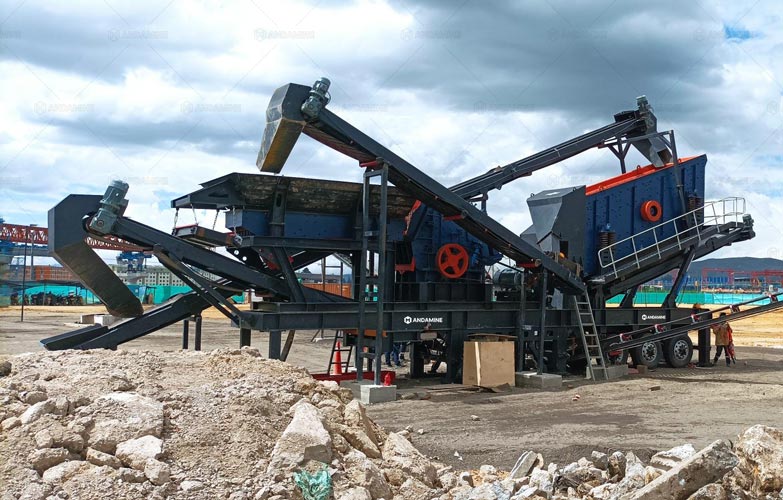
- Cubical Particle Shape: An impact crusher utilizes high-speed rotor impact force rather than compression force to break down feed material along natural fracture lines. This mechanical action yields a well-shaped, highly cubical final aggregate that excels in road base compaction and premium concrete mixes.
- High Reduction Ratios: The specialized rotor design of an impact crusher easily handles slabby concrete fragments, asphalt mats, and rebar-laden materials, ensuring steady volume throughput without frequent mechanical jamming or downtime.
- Versatility in Recycling Operations: Mobile and semi-mobile stone crushing plants rely heavily on the operational flexibility of a rugged impact crusher to efficiently process varying feeds of recycled brick, aged asphalt pavement, and heavy structural slab debris on demand.
- Cost-Effective Maintenance: Modern impact crusher models feature easy-access wear parts and adjustable impact aprons, allowing operators to quickly fine-tune output gradations while minimizing maintenance costs over long operational lifecycles.
Accelerating Renewal in Argentina: Financial and Ecological Benefits
Argentina faces distinct economic challenges, where fluctuating material prices, high inflation, and tight public budgets demand extremely cost-efficient urban renewal strategies. Implementing high-capacity aggregate plant installations enables developers and civil engineering firms in major metropolitan areas like Buenos Aires, Córdoba, and Rosario to stabilize material procurement costs across long-term development phases.
By actively recycling existing pavements, demolished industrial facilities, and outdated civic infrastructure through an integrated stone crushing plant setup, Argentinian municipalities dramatically reduce heavy truck traffic across inner-city routes, extend urban pavement life cycles, and significantly lower procurement expenditures for broad public infrastructure projects. This systematic conversion of construction waste into usable aggregate provides a repeatable financial template for fiscal sustainability in public sector civil works.
Building a Sustainable Future for Latin American Cities
The strategic deployment and integration of modular stone crushing plants across Peruvian and Argentinian urban renewal initiatives marks a pivotal step toward long-term economic resilience and sustainable civil construction. Utilizing advanced, highly durable crushing machinery such as the impact crusher(molino impactor) enables progressive contractors to transform bulky, expensive C&D waste streams into essential structural building resources. By continuing to invest in localized aggregate plant infrastructure, Latin American developers and municipal leaders can build stronger, greener, and far more cost-effective urban centers capable of supporting sustainable growth for future generations.