For contractors and infrastructure developers, investing in an asphalt plant is a major decision that directly impacts project efficiency, cost control, and long-term competitiveness. However, the real challenge is not just whether to invest, but understanding the right timing. A poorly timed investment may lead to idle capacity, while a delayed decision may result in lost contracts and shrinking margins.
In real-world road construction, timing determines profitability. When demand, cost pressure, and project scale begin to align, the investment decision becomes much clearer. In this article, we explore practical signals that indicate when it is the right moment to invest in your own asphalt production capacity.
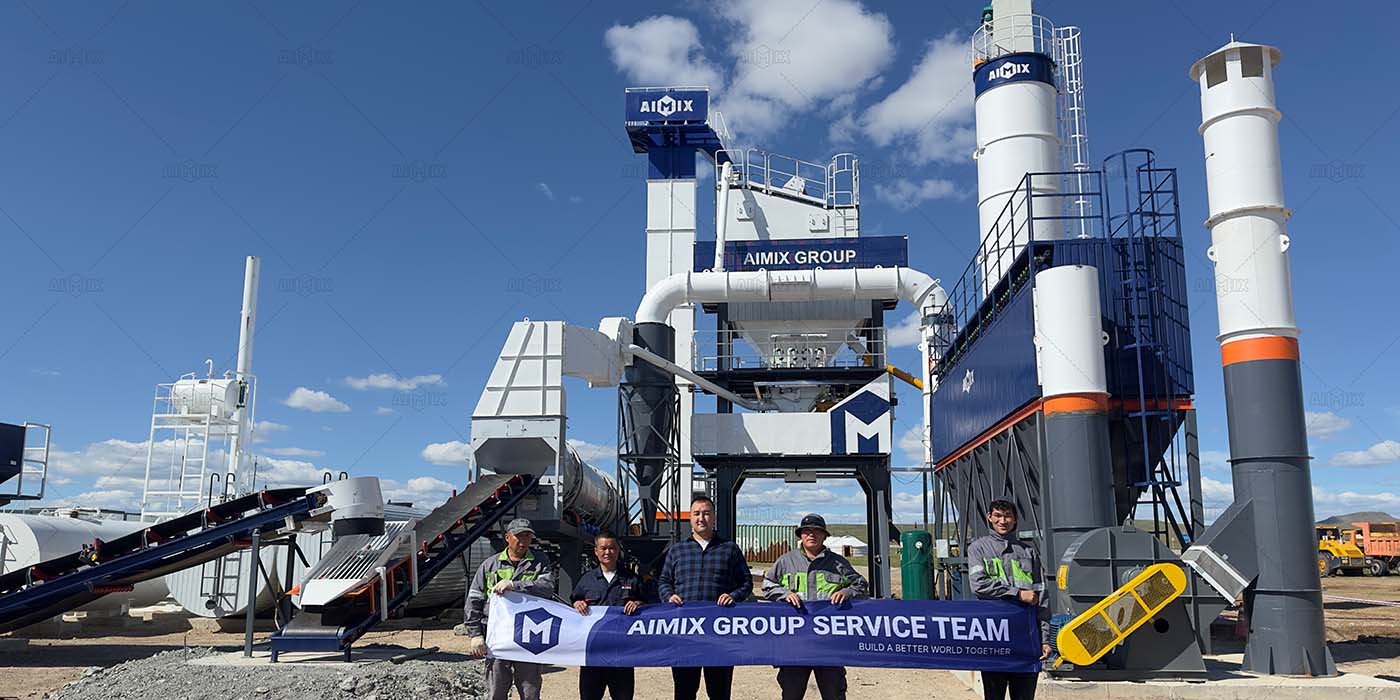
Why Timing Matters In Asphalt Plant Investment
Timing is critical because an asphalt plant is not just equipment—it is a long-term production system. Once deployed, it influences project planning, supply chain control, and overall construction speed. If the investment is too early, utilization drops and capital is wasted. If it is too late, contractors lose control over cost and schedule.
For a deeper understanding of production scale and configuration options, you can review different asphalt mixing plant capacity models and how capacity directly affects project performance.
Therefore, timing should always be evaluated based on real project demand, not assumptions or market trends alone.
When Supply Chain Limitations Start Affecting Projects
One of the first clear signals is when external asphalt supply becomes unreliable. Many contractors initially rely on third-party suppliers, but as project volume increases, bottlenecks often appear.
Delivery delays, inconsistent mix quality, and seasonal price fluctuations can directly affect road construction schedules. When these issues become frequent, they no longer represent inconvenience—they become operational risk.
At this stage, investing in your own production system becomes a strategic move to regain control over project execution and reduce dependency on external suppliers.
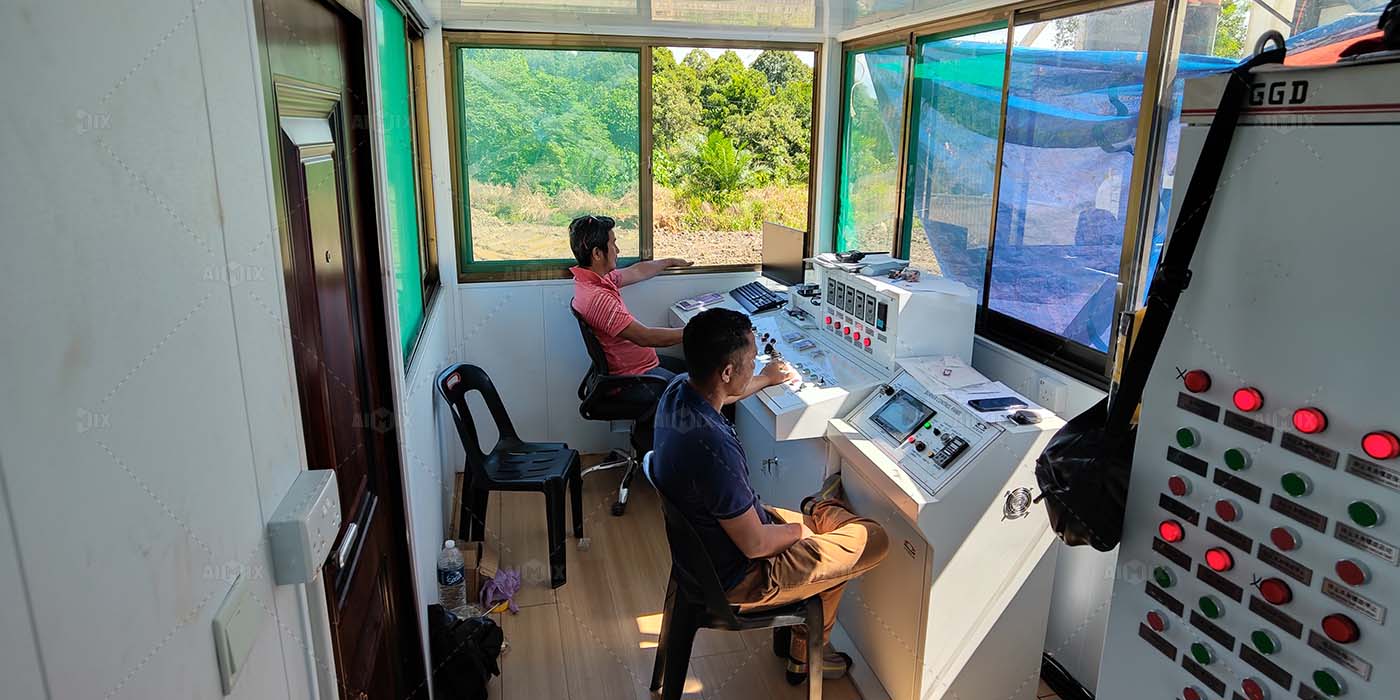
When You Need A More Reliable Production System
Reliability is one of the strongest reasons contractors consider investment. In competitive infrastructure markets, even small disruptions can lead to penalties or contract losses.
This is why many contractors begin exploring a reliable asphalt plant solution once project complexity increases. A reliable system ensures consistent output and stable quality, even under high demand conditions.
As project scale grows, reliability becomes more valuable than short-term cost savings.
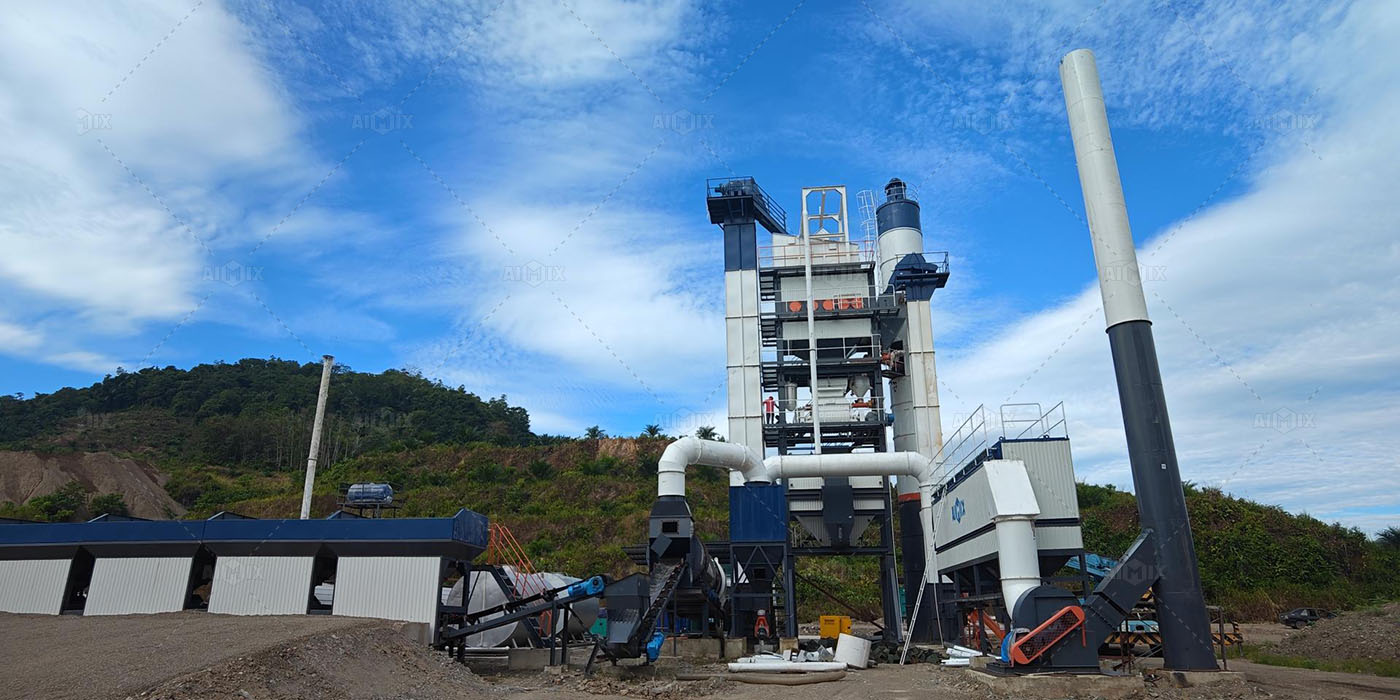
When Road Projects Require Continuous Hot Mix Supply
Some road projects, especially highways and urban expressways, require continuous paving operations. In such cases, interruptions in asphalt supply can damage surface quality and reduce compaction efficiency.
When contractors begin handling continuous paving projects, outsourcing becomes less practical. Production must align precisely with construction speed, which requires dedicated equipment on-site or nearby.
In these scenarios, a hot mix plant for road construction becomes essential because it supports continuous and temperature-controlled asphalt production.
As a result, investment timing often aligns with the transition from small-scale patching work to continuous highway construction.
When Cost Pressure Starts Reducing Project Profitability
Cost is another major factor that drives investment decisions. Asphalt price fluctuations, transportation costs, and supplier margins all contribute to unpredictable project expenses.
When contractors notice shrinking profit margins due to material costs, it becomes necessary to reassess production strategy. Even small cost reductions per ton can significantly improve overall project profitability in large-scale infrastructure work.
At this point, owning production capacity becomes not just a technical decision, but a financial strategy for long-term competitiveness.
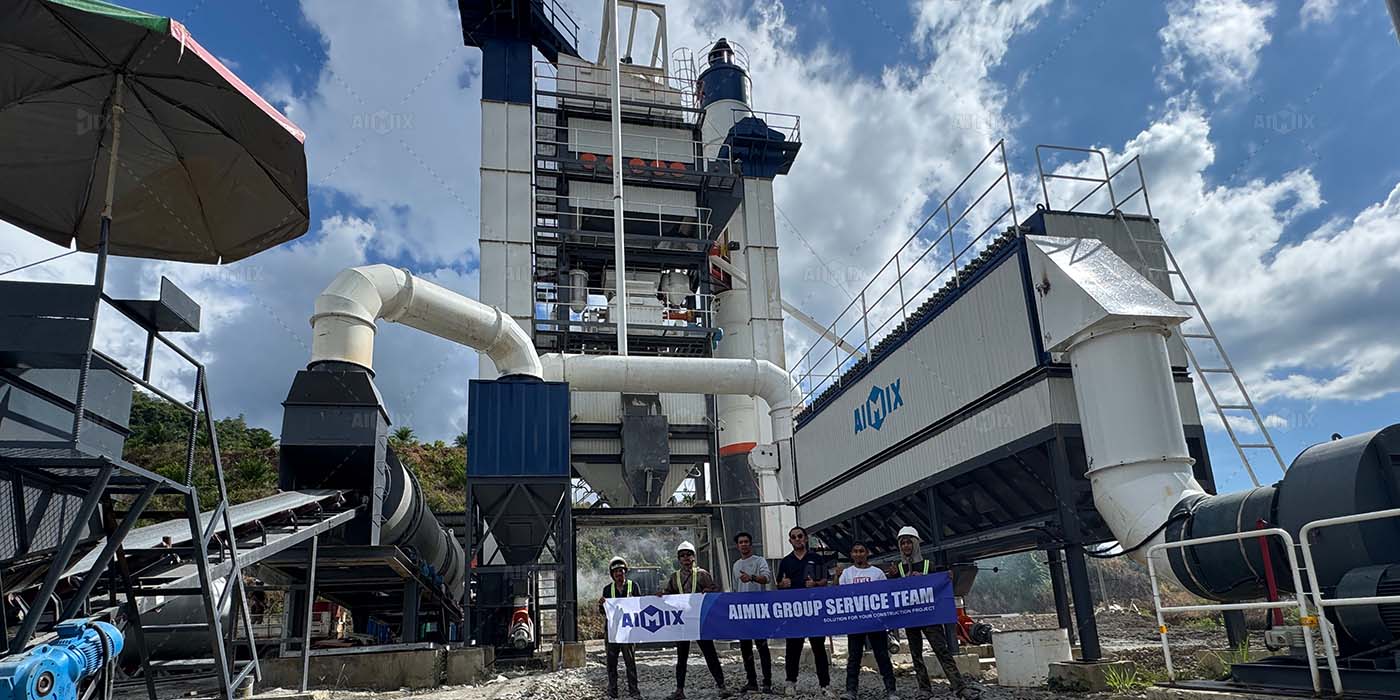
When You Need Stronger Market Positioning
In competitive bidding environments, contractors are often evaluated not only on price but also on capability. Owning production equipment significantly improves credibility in tender submissions.
Clients prefer contractors who can guarantee material supply without delays or dependency risks. This advantage becomes especially important in government infrastructure projects with strict deadlines.
In fact, many contractors choose to work directly with an experienced asphalt mix plant manufacturer to ensure they receive technical support, optimized configurations, and long-term operational stability.
This strengthens both bidding competitiveness and execution reliability.
When Project Volume Becomes Stable And Predictable
Another key timing factor is demand stability. Asphalt plants perform best when they operate at consistent utilization levels. If your company regularly secures municipal, highway, or infrastructure contracts, your demand base is already strong enough to justify investment.
Unstable demand, on the other hand, can lead to underutilization and higher operating costs. Therefore, investment should align with predictable project pipelines rather than occasional opportunities.
Once demand becomes stable, long-term planning becomes much easier and risk is significantly reduced.
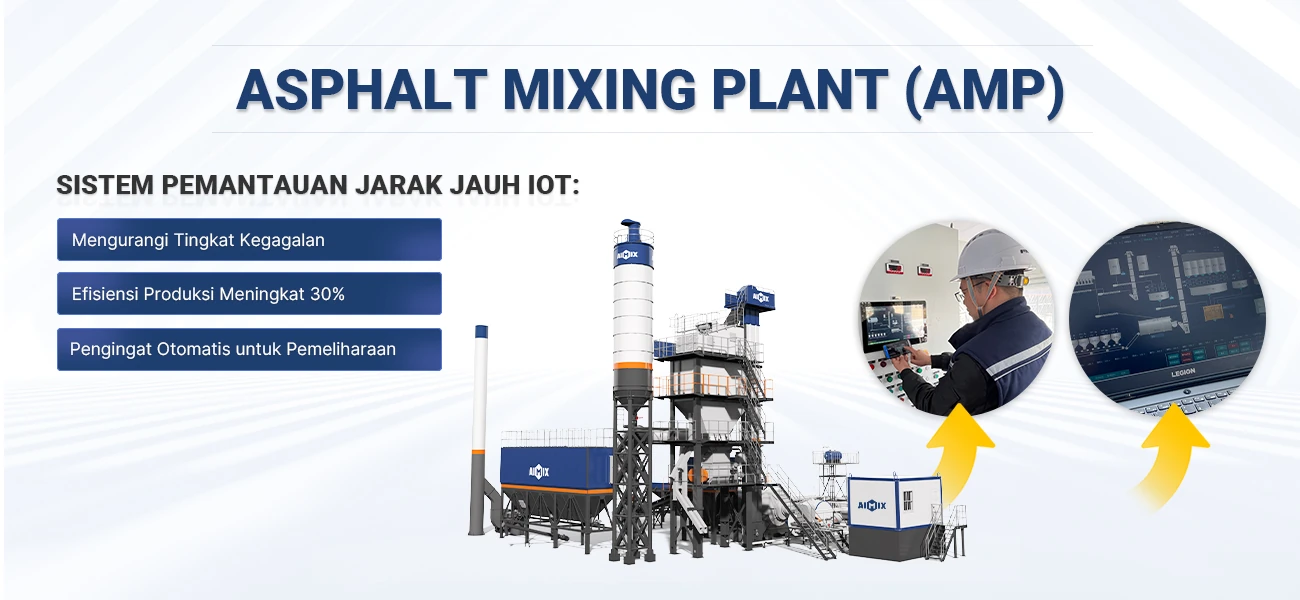
When Expansion Into New Markets Begins
Market expansion is another strong indicator for investment. When contractors enter new regions or international markets, supply chains are often less reliable and more fragmented.
In such cases, having your own production system provides independence and flexibility. It allows you to establish operations faster and maintain consistent quality standards across different project locations.
Expansion phases are often when investment delivers the highest strategic value.
How To Make The Final Investment Decision
The right time to invest in an asphalt plant is rarely based on a single factor. Instead, it comes from the combination of multiple signals: supply instability, rising costs, consistent demand, and expansion opportunities.
When these conditions align, outsourcing production becomes less efficient than owning it. At that stage, investment is not just justified—it becomes necessary for growth.
Choosing the right equipment is equally important. Many contractors begin by researching a trusted asphalt plant solution to match their project scale and technical requirements.
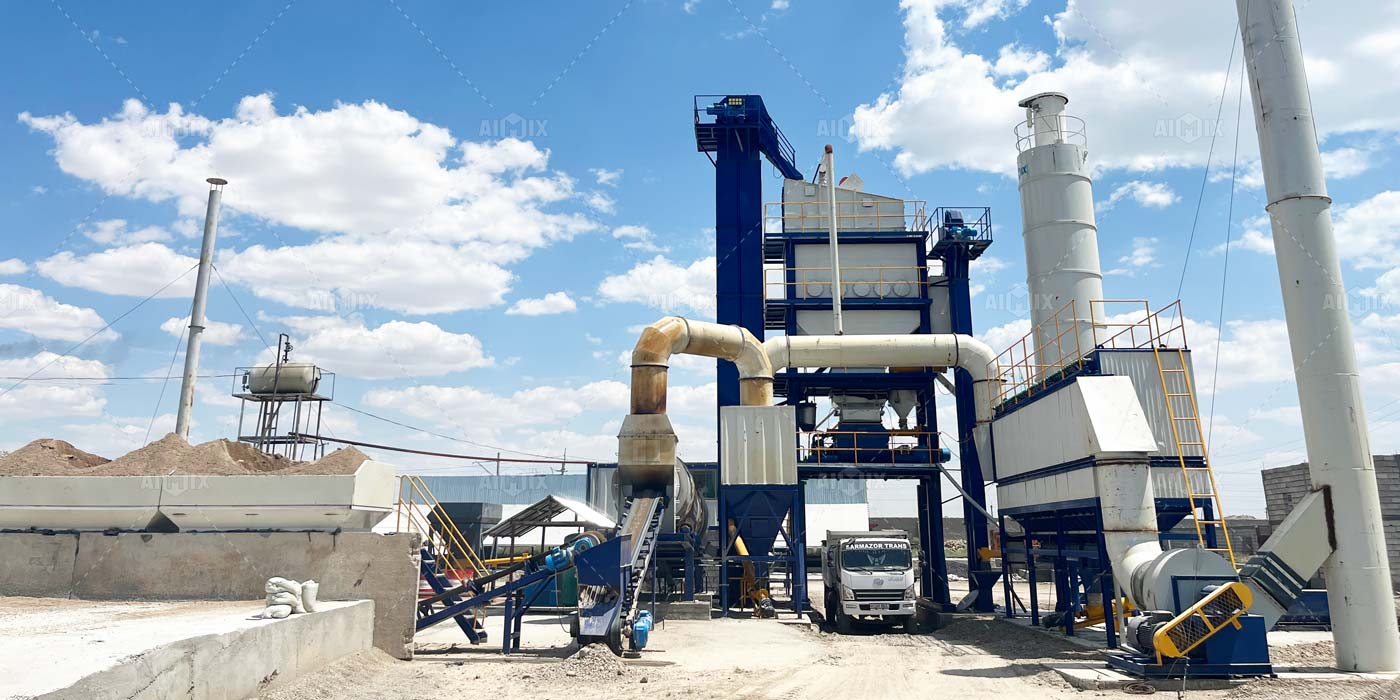
Final Thoughts: Turning Timing Into Competitive Advantage
Investing in an asphalt plant is ultimately about control, efficiency, and long-term profitability. The right timing allows contractors to maximize return on investment while minimizing operational risk.
When managed correctly, it transforms a contractor from a material buyer into a full production-capable infrastructure provider. This shift significantly improves competitiveness in modern construction markets.
If your projects are growing, your costs are rising, and your dependency on suppliers is increasing, it may already be the right time to consider investment seriously.
Call To Action
If you are evaluating whether now is the right time to invest, start by comparing your current project demand with available production capacity. Understanding your real requirements will help you avoid both underinvestment and overinvestment.
Working with a professional supplier can also help you select the right configuration for your business model, whether for stationary, mobile, or high-capacity production needs.
The right decision today can define your competitiveness for the next decade in road construction.