The rock crushing business plays a fundamental role in the modern construction industry by transforming natural stone into essential building materials such as aggregates, sand, and gravel. These processed materials are the backbone of infrastructure development, including roads, bridges, railways, housing projects, and commercial buildings. Without efficient rock crushing operations, large-scale construction would not be possible at its current speed and scale.
In today’s global construction market, demand for high-quality aggregates continues to rise, especially in rapidly urbanizing regions. This has made the rock crushing business one of the most important upstream industries supporting infrastructure development. Equipment such as the granite rock crusher, limestone crushing plant, and basalt crushing plant are critical systems that determine production efficiency, product quality, and overall profitability.
The Role of Rock Crushing in Construction Supply Chains
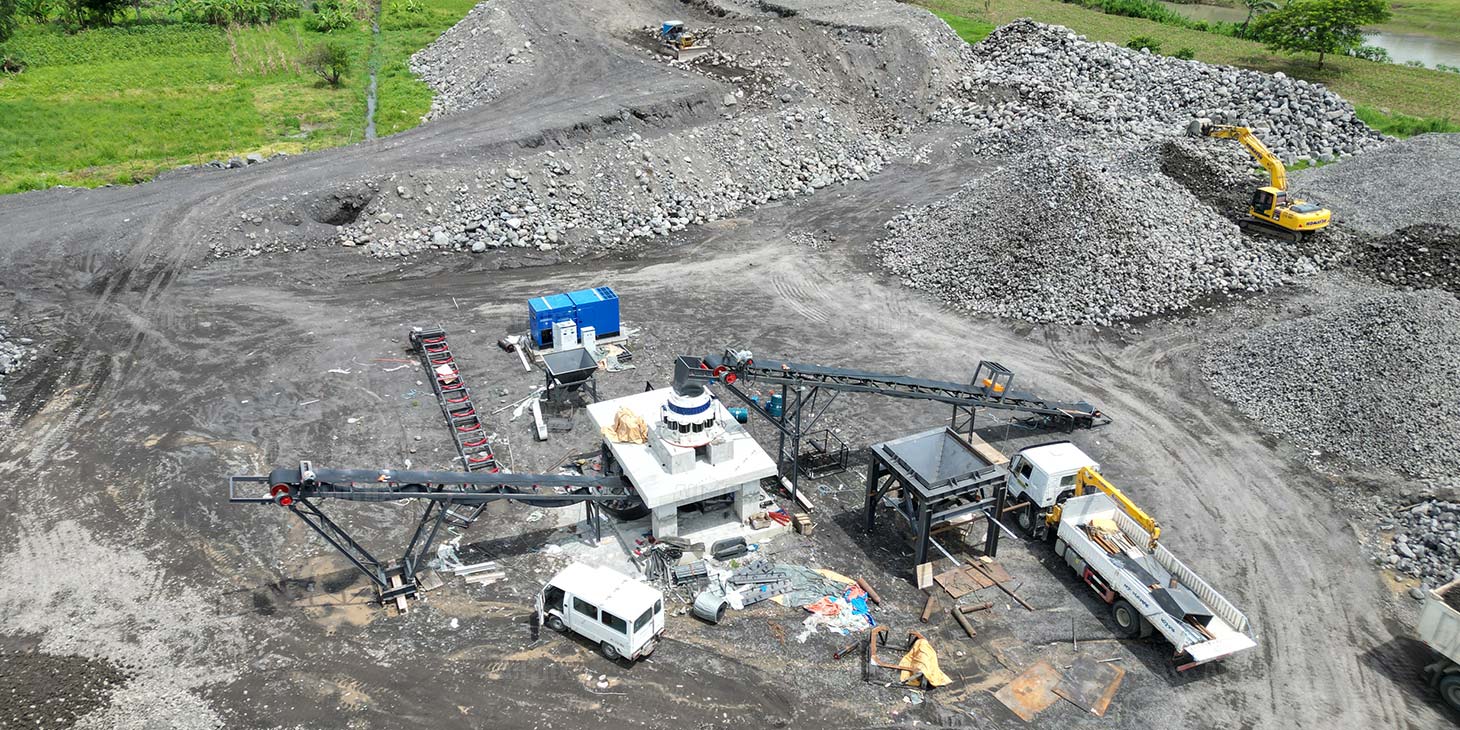
At its core, the rock crushing business is about converting raw quarried stone into usable construction materials. Large rocks extracted from quarries cannot be directly used in construction. They must be crushed, screened, and graded into different sizes depending on project requirements.
These materials are then used in road base and sub-base layers, concrete production, asphalt mixtures, railway ballast, and drainage systems. Because construction projects require consistent aggregate sizes, crushing operations must maintain strict control over particle size distribution and quality.
Importance of Material Type in Crushing Operations
Granite Crushing and Hard Rock Applications
Granite is one of the hardest and most durable natural stones used in construction. Crushing granite requires high-strength equipment such as a granite rock crusher, typically using jaw crushers for primary crushing and cone crushers for secondary processing.
Granite aggregates are widely used in highways, bridges, and heavy-load infrastructure due to their durability and strength. However, because granite is highly abrasive, wear-resistant components are essential for long-term efficiency.
Limestone Crushing for Versatile Construction Use
Limestone is softer and easier to process compared to granite. A limestone crushing plant is commonly used to produce aggregates for concrete, cement production, and road construction.
Due to its availability and low cost, limestone is one of the most widely used materials in the construction industry. It is processed in large volumes using jaw crushers, impact crushers, and screening systems.
Basalt Crushing for High-Strength Aggregates
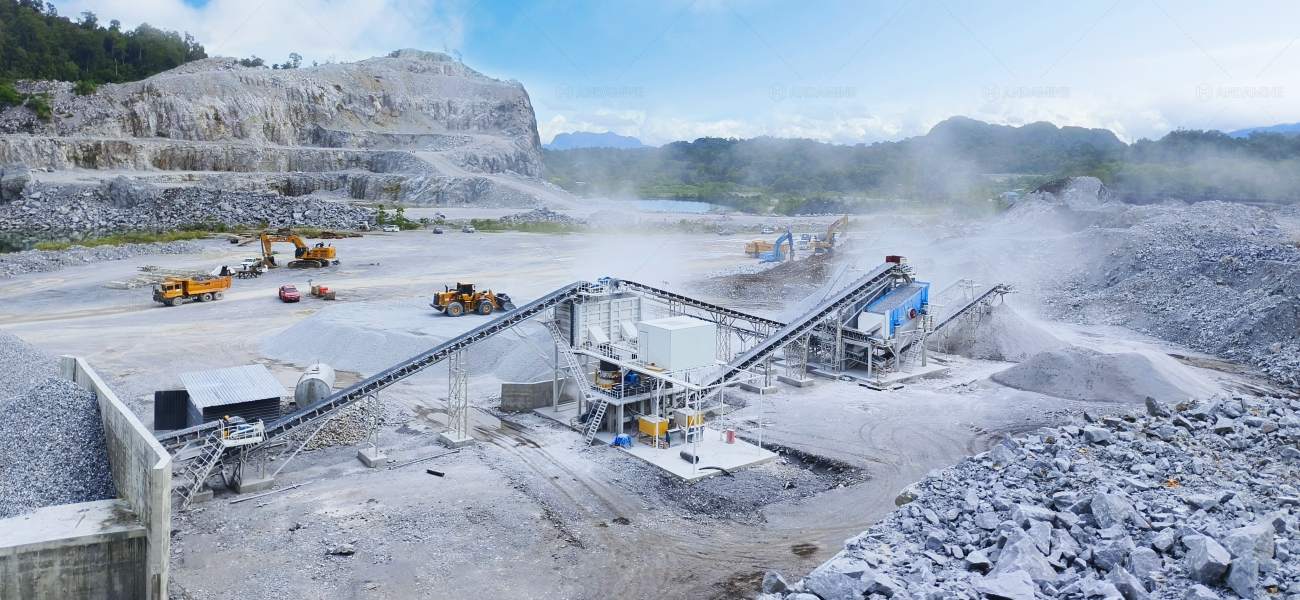
Basalt is a dense and extremely strong rock material. A basalt crushing plant is designed to process hard rock efficiently, producing high-performance aggregates for demanding applications.
Basalt is commonly used in highways, airport runways, and industrial foundations due to its superior durability and resistance to wear.
Equipment Systems in the Rock Crushing Business
A complete rock crushing system includes jaw crushers, cone crushers, impact crushers, vibrating screens, feeders, and conveyor belts. Each component plays a specific role in the production process.
Modern crushing plants use automated control systems to improve efficiency, reduce manual labor, and ensure consistent output quality.
Economic Value of the Rock Crushing Business
The rock crushing business is highly profitable because it converts low-cost raw materials into high-value construction aggregates. Profit margins depend on production efficiency, equipment performance, and market demand.
In regions with strong infrastructure development, demand for crushed stone remains stable, ensuring long-term business opportunities.
Mobile vs Stationary Crushing Plants
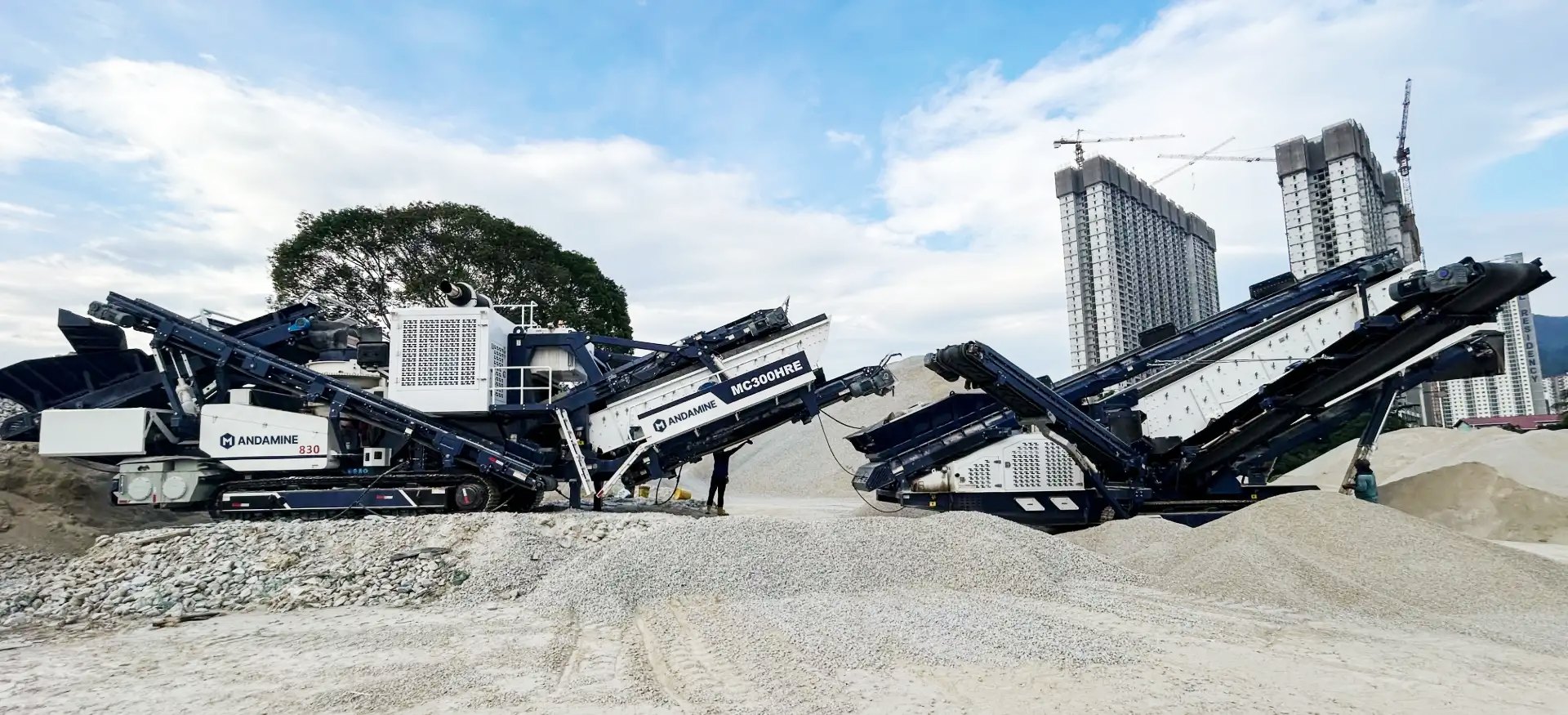
Mobile crushing plants are suitable for short-term or remote projects, while stationary plants are ideal for long-term high-capacity production. Each configuration has its own advantages depending on project requirements.
Challenges in the Industry
The rock crushing business faces challenges such as high wear costs, energy consumption, environmental regulations, and logistics complexity. Advanced technologies like dust suppression systems and automation help reduce these issues.
Conclusion
The rock crushing business is a key pillar of the construction industry, transforming raw stone into valuable materials that support global infrastructure development. With equipment such as the granite rock crusher, limestone crushing plant, and basalt crushing plant, operators can achieve efficient and profitable production.
As global construction demand continues to grow, companies that invest in modern crushing technology and efficient plant design will remain highly competitive in the industry.