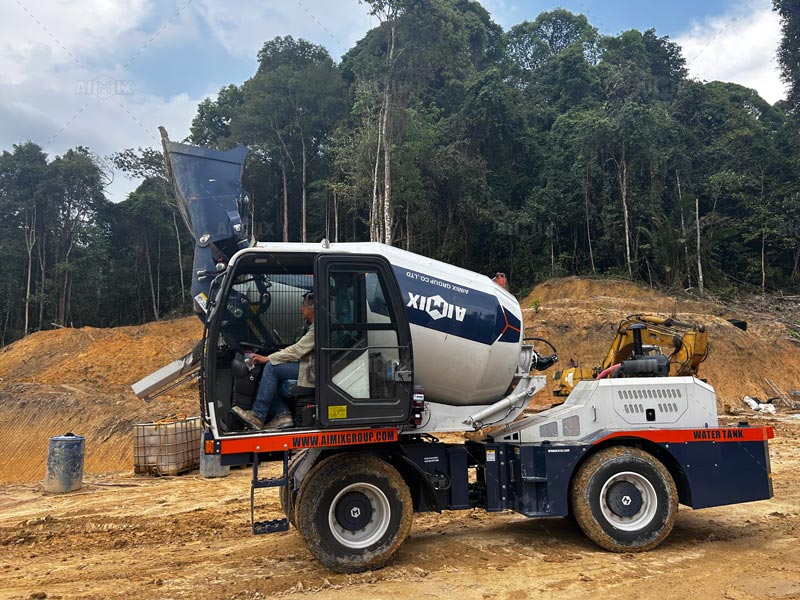
Heavy civil infrastructure projects require a massive, continuous supply of fresh concrete. Moving this heavy material to remote locations presents severe logistical challenges. Therefore, construction managers require highly efficient on-site mixing systems to maintain progress. Selecting a large concrete mixer with high mobility secures your project timeline. This technical guide outlines how to select the best equipment configuration.
Resolving the Conflict Between Volumetric Capacity and Mobility
Large-scale concrete installations often face unique geographic challenges. Standard stationary batching plants offer excellent output volumes. However, they require significant upfront capital and permanent concrete foundations. Finding a mobile solution with high output remains a major priority.
Overcoming Distance Bottlenecks on Rural Jobsites
Wet concrete begins its chemical setting process immediately after water contacts dry cement. High ambient temperatures accelerate this hydration process very quickly. Consequently, long transport delays degrade the final structural strength of building foundations.
Using a high-capacity portable concrete mixer resolves these logistical bottlenecks completely. Your crew transports raw aggregate materials dry and mixes them on demand. This immediate placement prevents cold joints and ensures excellent structural durability. Ultimately, localized concrete production keeps your remote projects running smoothly.
Comparing High-Capacity Configurations of Mobile Mixing Equipment
Fleet managers must choose the right machinery setup to match site demands. Modern manufacturers offer several distinct designs to balance capacity and mobility. Let us analyze the primary mobile configurations available today.
Operational Autonomy with a Self Loading Concrete Mixer
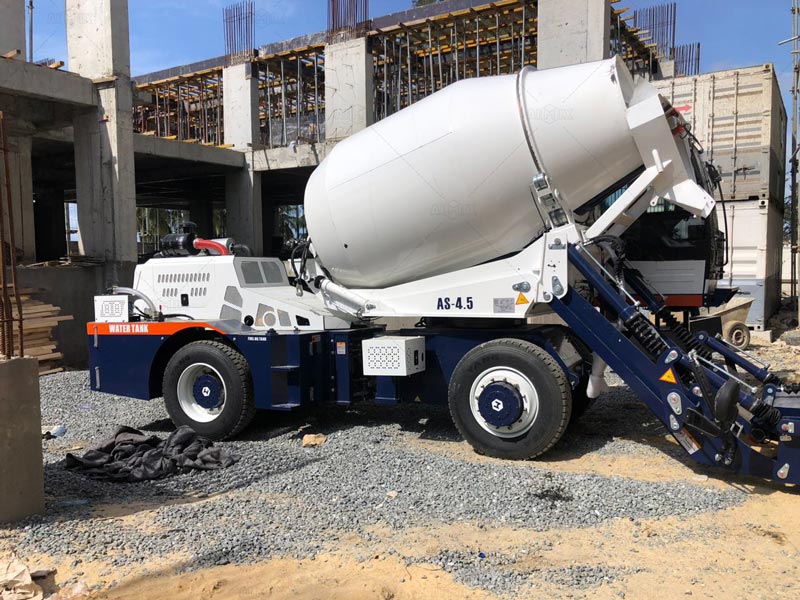
For projects with limited support machinery, automated vehicles offer outstanding value. Sourcing a modern self loading concrete mixer consolidates several fleet roles. This specialized machine features an attached front shovel to scoop raw ingredients independently.
An onboard electronic scale measures each aggregate scoop with high gravimetric precision. The operator monitors these metrics on a digital screen inside the cabin. Consequently, a single operator can manage the entire batching cycle alone. This self-contained layout reduces your dependency on auxiliary loader tractors.
High-Volume Performance with a Mobile Concrete Mixer
For projects requiring continuous pouring, a larger towed system is ideal. A heavy-duty mobile concrete mixer delivers exceptional hourly volumetric output. These trailer-mounted plants combine large aggregate bins with continuous mixing screws.
Furthermore, they are easy to transport behind standard utility vehicles. This mobility reduces initial site setup times and speeds up project progress. The robust steel chassis withstands rough, unpaved roads during remote transport. Ultimately, high-volume mobile mixers ensure steady construction progress on large sites.
Daily Preventive Maintenance for Heavy Mixing Machinery
Operating heavy aggregate machinery in harsh environments puts intense physical stress on parts. Fine sand dust can contaminate engine lubricants and damage hydraulic seals. Therefore, your site crew must implement a strict daily maintenance checklist. Consistent care protects your capital investment and prevents sudden mechanical failures.
Daily Washing and Drum Preservation Habits
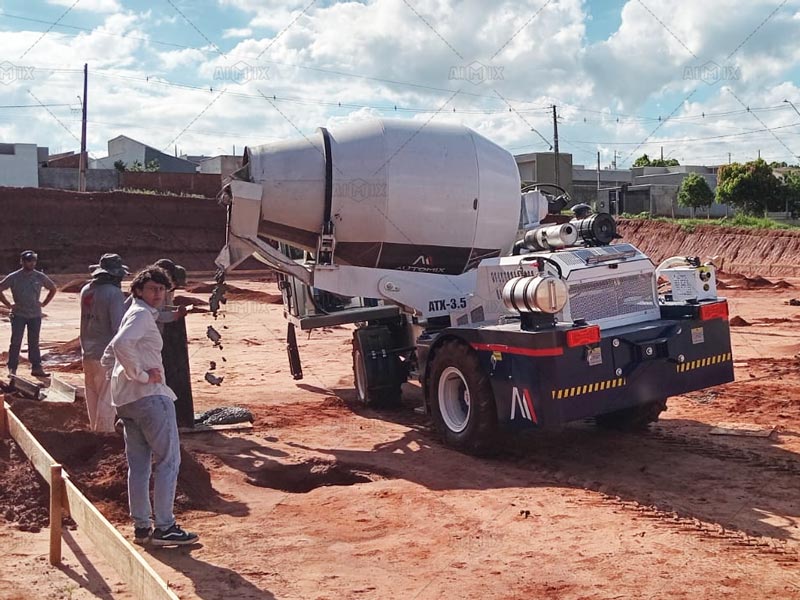
First, wash the interior of the mixing vessel thoroughly with water after every shift. Leftover concrete hardens rapidly in warm weather and destroys internal blades. This solid buildup also reduces the overall volumetric capacity of the drum. Regular washing preserves the vessel interior and ensures consistent mixing performance.
Second, inspect all hydraulic lines and seals daily for signs of fluid wear. Spotting small oil leaks early prevents sudden system pressure loss. Third, apply high-quality grease to the main rollers every single morning.
Engine and Scale Calibration Guidelines
Additionally, clean the engine air filters daily to prevent dust contamination in the cylinders. Clean filters ensure optimal combustion and maintain high fuel efficiency. Furthermore, calibrate the onboard digital scale system on a regular schedule.
Vibrations from driving across rough terrain can slowly alter scale settings. Follow the manufacturer guidelines to reset the computer tare weight weekly. This routine step ensures that the scale measures aggregate weight correctly every time. Correct calibration protects your concrete quality and prevents raw material waste.
Environmental and Financial Return on Investment
Purchasing heavy mixing machinery represents a major capital investment for your company. Therefore, procurement officers must look beyond the initial purchase price. Let us analyze how localized on-site batching translates directly into concrete financial savings.
Lower Carbon Emissions and Fuel Consumption
Traditional concrete delivery relies on multiple heavy transit trucks traveling long distances. These heavy vehicles consume vast amounts of fuel and produce high emissions. However, a mobile mixer combines transport and mixing in a single vehicle.
This integration reduces the total number of truck journeys required. Consequently, your projects consume less diesel fuel and emit fewer greenhouse gases. These sustainable practices help your business secure green municipal building contracts.
Reducing Material Waste and Fleet Operational Footprints
Precise on-site batching ensures you only produce the exact concrete volume required. Thus, you eliminate aggregate waste and reduce landfill disposal fees significantly. Furthermore, a consolidated layout replaces separate transport trucks and loader tractors.
Most active contractors experience full asset amortization within twelve months of field operations. This rapid financial recovery allows building firms to expand their fleets quickly. Ultimately, a strategic asset purchase secures your project timeline and enhances corporate profits.
Conclusion and Procurement Recommendations
In summary, localized concrete production resolves transit bottlenecks and optimizes site resources. Sourcing a high-capacity mobile mixer ensures consistent concrete strength for housing and road works. Define your daily volume targets clearly before selecting a final equipment configuration.
Always partner with reliable regional equipment dealers who offer robust local parts support. Having replacement components nearby prevents weeks of costly shipping delays. Ultimately, a strategic asset purchase secures your project timeline and enhances long-term profitability.