Are you planning to upgrade your facility’s lifting power? Choosing the right machinery is a critical business decision. Indeed, heavy lifting requires efficient and reliable equipment. The wrong choice can waste valuable capital and time.
Conversely, the right system boosts your productivity instantly. Therefore, you must understand your options before purchasing. Let us dive deep into the world of industrial lifting. We will explore the differences between popular system types. This guide will ensure you make an informed decision. Your operations will become safer and much faster.
Comparing Gantry and Bridge Systems: The Core Differences
Many factory managers struggle to differentiate these two systems. Both gantry cranes (козловый кран) and bridge cranes can successfully lift and transport heavy objects. However, their structural engineering is entirely different. Let us analyze how they support their loads. This structural difference affects your entire workspace layout. It also impacts your long-term operational costs. Therefore, a detailed comparison is highly necessary.
Structural Design and Support Methods
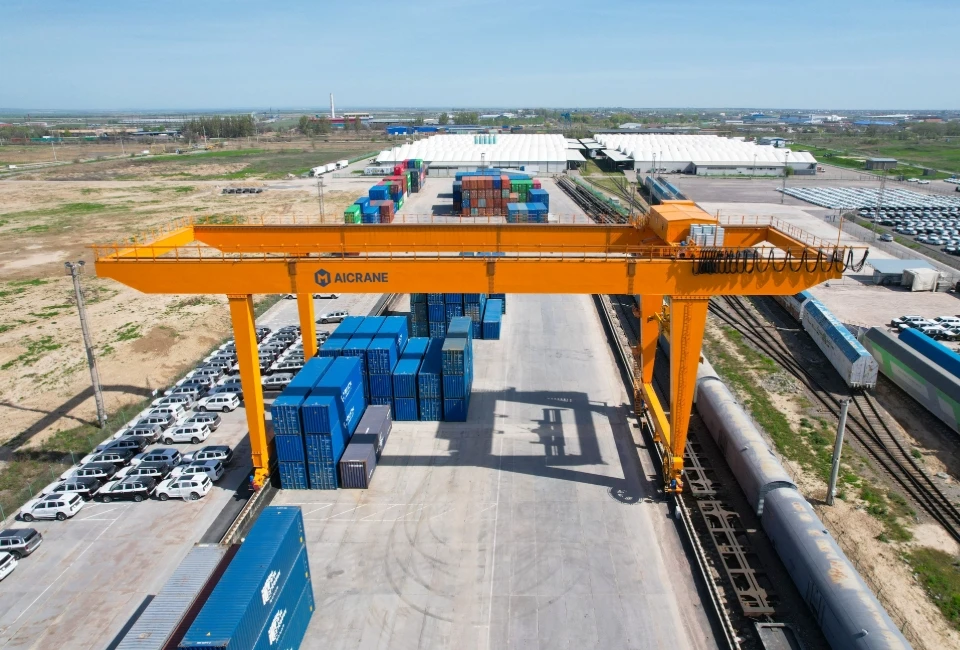
First, consider how the machinery stands in your shop. Some facilities require a completely self-supporting structure. If you need this design, a gantry crane is excellent. This system uses robust legs to support the bridge. These legs travel along floor-mounted rails or wheels. Consequently, you do not need permanent building modifications. This makes setup faster and less invasive. It is a perfect choice for open workspaces. Furthermore, it works well without overhead support beams.
Installation and Workspace Flexibility
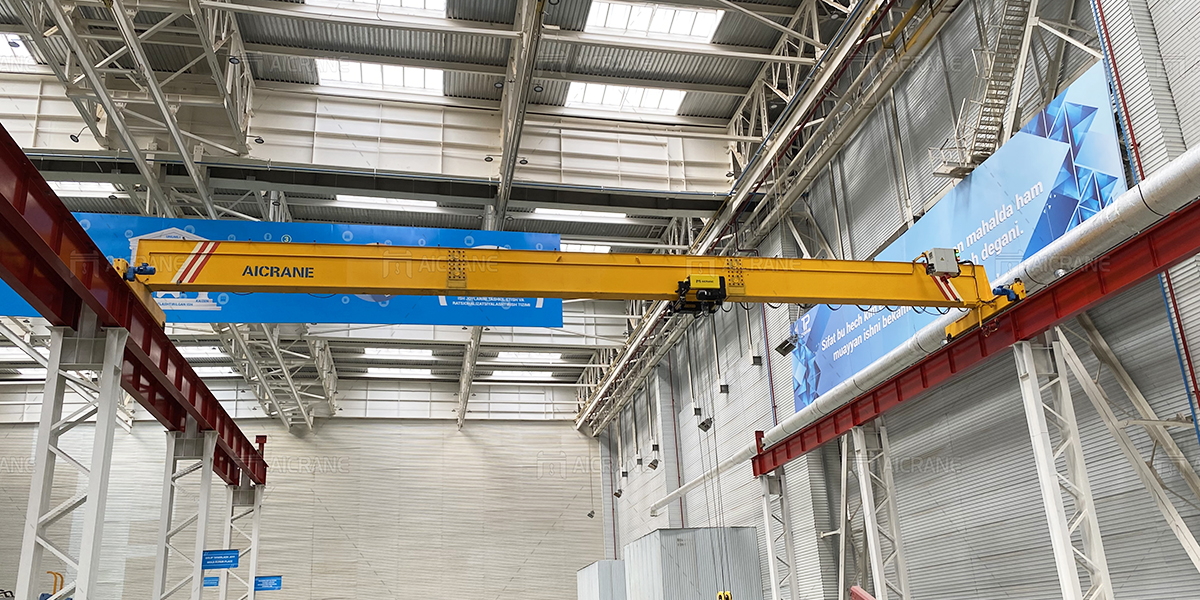
On the other hand, some systems utilize existing structures. These systems run on elevated runway beams. For this setup, you should choose a bridge crane (мостовой кран). The building’s structural columns support the entire runway. Therefore, the system operates completely overhead. This keeps your factory floor entirely clear. You gain maximum space for production and traffic. Forklifts and workers can move without any obstacles. This design maximizes your indoor vertical space.
Direct Comparison: Key Operational Aspects
Now, let us compare how they perform daily. Both systems offer unique operational advantages. We must examine their performance in different environments.
Indoor vs. Outdoor Performance
Indoor environments usually favor overhead systems. They maximize the use of tight interior spaces. You can lift materials close to the ceiling. In contrast, outdoor yards lack walls or ceilings. Therefore, floor-supported designs are perfect for outdoors. They handle weather elements like wind much better. They also cover large outdoor areas efficiently.
Mobility and Future Relocation
Are you renting your current workshop? If so, portability is a critical factor. Overhead systems are permanent and difficult to move. They require extensive dismantling and structural work. However, floor-supported units disassemble quite easily. You can transport them to a new site. This saves you from buying new equipment later. It is a highly flexible option for growing businesses.
Comprehensive Selection Guide for Buyers
How do you choose the perfect lifting system? We have created this step-by-step selection guide. Follow these steps to make a smart investment. Do not rush into making a final decision. Analyze your business needs systematically.
Step 1: Analyze Your Load Capacity
First, determine the maximum weight you must lift. Light loads require simple, cost-effective configurations. However, extremely heavy industries demand much more power. For extreme weights, a Double beam bridge crane (кран мостовой двухбалочный) is ideal. This design features two parallel girders for strength. It offers superior stability and higher hook heights. It is perfect for steel mills and foundries. This system handles heavy duty cycles without wearing out. Your operators can move massive cargo safely.
Step 2: Consider Facility Height and Clearance
Next, measure the height of your building ceiling. You must calculate the required hook path. Some facilities have very low overhead clearance. An overhead system might limit your lifting height. In contrast, a floor system offers customizable leg heights. You can design the legs to fit your needs. This flexibility ensures you get maximum lifting height.
Step 3: Evaluate Your Site Environment
Next, look at where you will place the system. Indoor warehouses have different needs than shipping ports. Ports and container yards require specialized outdoor machines. In these environments, the RTG crane (козловые краны на пневмоходу) is the leader. This rubber-tyred system moves containers with high efficiency. It travels freely across wide concrete logistics yards. It withstands harsh outdoor weather conditions easily. This machine is vital for fast container shipping.
Step 4: Assess Your Budget and Structure
Finally, calculate your total installation budget. Do not just look at the purchase price. Consider the cost of reinforcing your building. If reinforcement is too expensive, choose floor-supported designs. They will save you thousands of dollars upfront. Always consult with an experienced engineer first. We help you calculate the total cost of ownership. This prevents unexpected expenses later.
Partner with the Industry Leaders Today
Your business deserves safe, reliable, and durable machinery. We offer customized solutions for your unique needs. Our team guides you from design to installation. We use premium materials to build our systems. This guarantees a long service life for your investment.
Furthermore, our customer service is always available. Are you ready to optimize your workflow? Contact our sales team for a free consultation. Let us find your perfect lifting solution today!