For many road construction contractors, asphalt suppliers, and infrastructure investors, buying an asphalt plant is a major business decision. The key question is not only how much asphalt the equipment can produce, but whether the production capacity can create stable profits.
One common question from medium-scale contractors is: Is a 120 TPH asphalt plant profitable with around 80,000 tons yearly production? The answer depends on project demand, operating efficiency, material costs, and equipment utilization. When the production volume matches the local market, a 120 TPH asphalt plant can become a valuable investment for long-term construction growth.
This article analyzes the profitability of a 120 TPH asphalt plant from a contractor’s perspective. It explains production capacity, possible revenue, operating costs, investment considerations, and practical factors that influence return on investment.
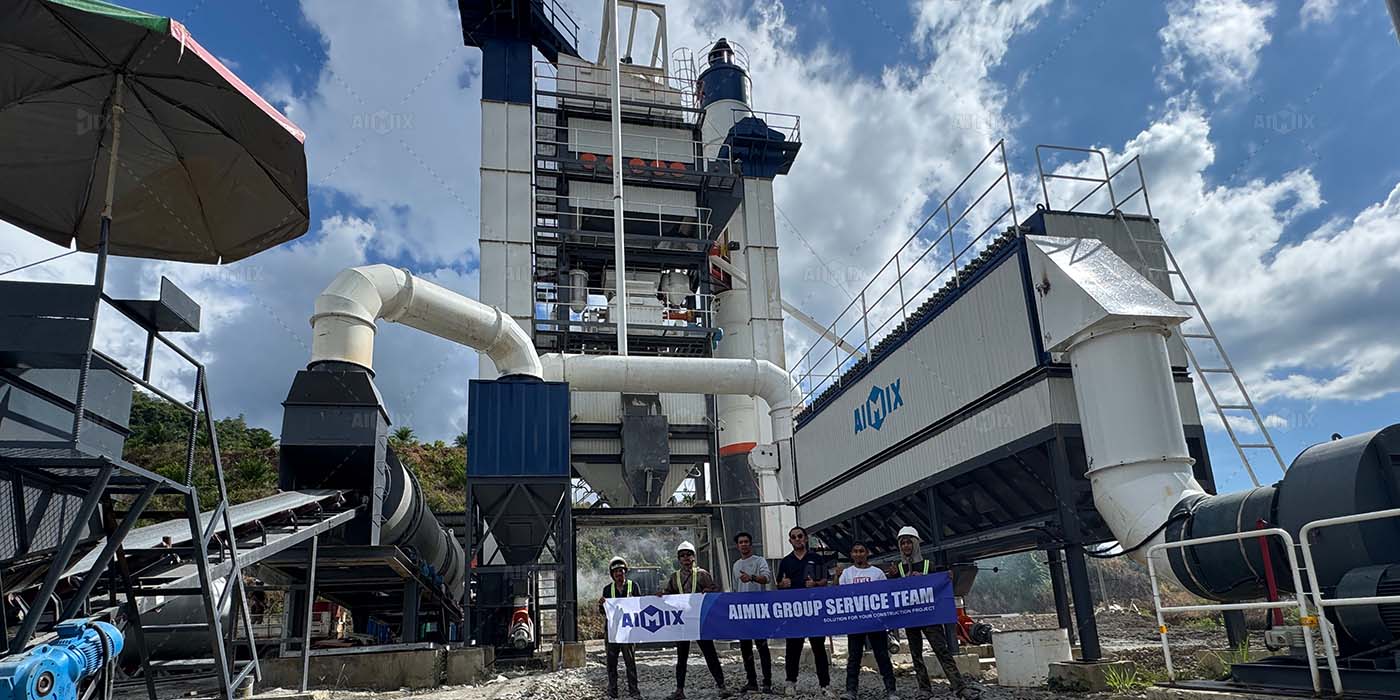
Understanding The Real Production Capacity Of A 120 TPH Asphalt Plant
Before discussing profitability, contractors need to understand what 120 TPH means in actual construction conditions. TPH means tons per hour, which represents the maximum asphalt production capacity under ideal operating conditions.
A 120 TPH plant can theoretically produce 120 tons of asphalt mixture every hour. However, real production depends on working schedules, aggregate supply, maintenance time, weather conditions, and project requirements.
For example, if the plant operates eight hours per day and works about 100 days annually, the yearly production potential can reach:
120 tons/hour × 8 hours/day × 100 days = 96,000 tons/year
Therefore, an annual production target of 80,000 tons is realistic for many medium-sized contractors. It means the equipment does not need to run at maximum capacity every day, while still maintaining efficient utilization.
For businesses looking for different capacity options, selecting the right model asphalt plant according to project scale is important. The correct capacity helps avoid unnecessary investment while ensuring enough production for future growth.
Can 80,000 Tons Yearly Production Generate Good Profit?
The profitability of an asphalt plant mainly depends on the relationship between production cost and asphalt selling price. Production volume creates the foundation, but cost control determines the final profit margin.
For many contractors, owning an asphalt plant provides several advantages. First, it reduces dependence on external asphalt suppliers. Second, it improves project scheduling because contractors can produce asphalt whenever construction requires it.
For example, a highway contractor that purchases asphalt from another company may face higher transportation costs, delivery delays, and limited supply flexibility. However, owning a plant allows better control over production planning.
Assume the local asphalt selling price is USD 60 per ton. With 80,000 tons yearly production, the potential annual sales value can reach:
80,000 tons × USD 60/ton = USD 4.8 million
However, revenue is not the same as profit. Contractors must subtract raw materials, fuel, electricity, labor, maintenance, and transportation expenses.
If the total production cost is USD 50 per ton, the estimated gross margin is:
80,000 tons × USD 10/ton = USD 800,000 yearly gross margin
This calculation varies by region. Bitumen prices, labor costs, and aggregate availability can significantly influence profitability. Therefore, investors should analyze their local market before making a decision.
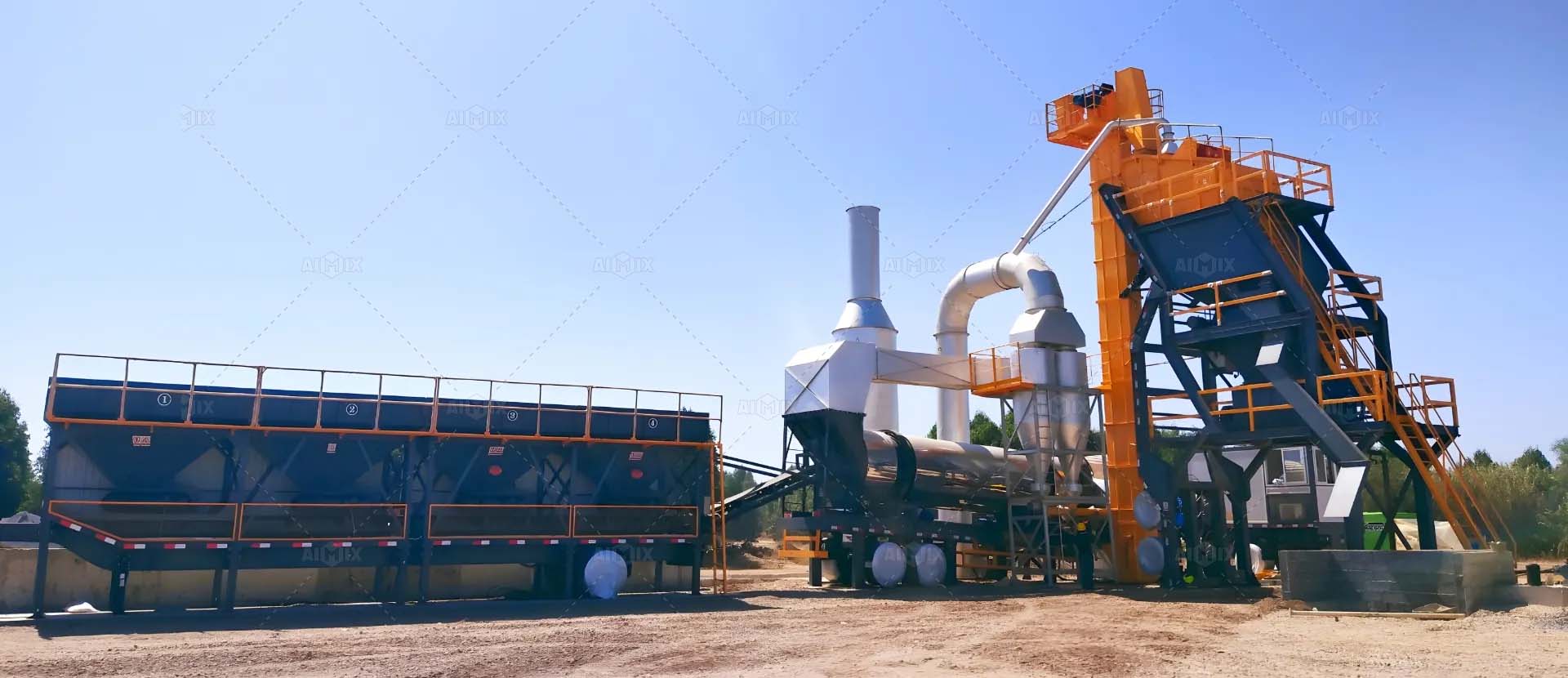
Main Factors Affecting Asphalt Plant Profitability
Although production capacity is important, several operational factors determine whether a 120 TPH asphalt plant performs successfully. Smart investors usually evaluate the complete business environment instead of focusing only on machine output.
Raw Material Availability
Raw materials usually represent the largest production expense. Aggregates, mineral powder, and bitumen directly affect asphalt production costs.
Therefore, contractors should consider the distance between the plant location and raw material suppliers. A nearby quarry can reduce transportation costs and improve profit margins.
Fuel Consumption And Energy Efficiency
The drying process requires significant energy because aggregates must reach the correct temperature before mixing. Fuel consumption directly affects every ton of asphalt produced.
Modern asphalt equipment focuses on improving burner efficiency, temperature control, and automation systems. As a result, contractors can reduce unnecessary energy waste during daily operation.
Project Stability And Equipment Utilization
A plant operating occasionally cannot achieve the same return as a plant with continuous demand. Therefore, contractors should secure stable projects before investment.
Road maintenance contracts, municipal infrastructure projects, industrial parks, and commercial asphalt supply businesses can provide consistent production opportunities.
Why Choose A 120 TPH Asphalt Plant For Medium Construction Projects?
Different businesses require different asphalt production capacities. Large contractors working on highways may need higher output, while smaller companies may find oversized equipment difficult to operate profitably.
A 120 TPH plant provides a balanced solution. It offers enough production capacity for medium-scale projects while keeping investment and operating requirements manageable.
Typical applications include:
- Municipal road construction
- Highway repair and maintenance
- Airport pavement projects
- Industrial park development
- Residential infrastructure construction
- Commercial asphalt supply
Furthermore, contractors can select different configurations according to their project requirements. For example, hot mix asphalt plants are widely used for producing high-quality asphalt mixtures required for durable pavement construction.

Batch Asphalt Plant Or Other Asphalt Production Solutions?
When choosing asphalt equipment, contractors should consider not only capacity but also asphalt quality requirements and project flexibility.
For projects that require accurate mix proportions and different asphalt formulas, batch production technology is often preferred. Batch plants allow operators to control each production cycle and adjust recipes according to pavement standards.
A batch asphalt plant is commonly selected by contractors working on highways, municipal roads, and projects requiring consistent asphalt quality.
On the other hand, continuous production solutions may be suitable for projects with stable demand for one asphalt mixture type. The best choice depends on construction conditions, project duration, and production targets.
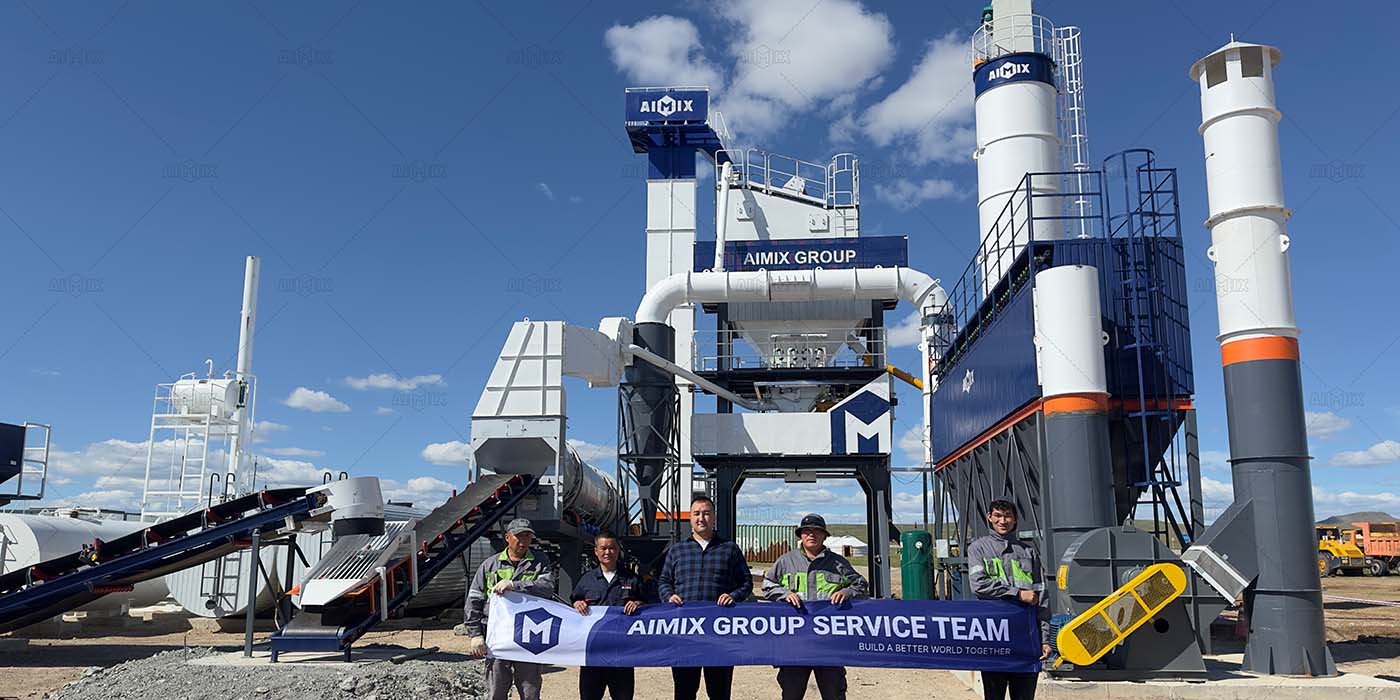
How Can Contractors Increase The Return On Investment?
Purchasing a 120 TPH asphalt plant is only the beginning. Successful contractors focus on improving utilization, reducing costs, and maintaining reliable production.
1. Analyze Local Asphalt Demand Before Investment
Before purchasing equipment, contractors should study upcoming infrastructure projects, road development plans, and local asphalt market demand.
A plant with stable yearly production will usually achieve faster investment recovery than a plant that remains idle for long periods.
2. Choose A Strategic Plant Location
Asphalt transportation requires careful planning because hot mix asphalt must maintain proper temperature during delivery.
Therefore, locating the plant near major construction areas can reduce delivery costs and improve project efficiency.
3. Work With A Reliable Equipment Partner
Equipment quality and technical support influence long-term operation. Contractors should choose a supplier that provides installation guidance, spare parts support, and after-sales service.
Working with an experienced asphalt mix plant supplier helps investors select suitable equipment configurations based on production goals and local construction conditions.
What Should Investors Check Before Buying A 120 TPH Asphalt Plant?
A successful investment requires careful planning. Contractors should answer several important questions before making a purchase:
- How many tons of asphalt can the company produce or sell every year?
- Are there enough construction projects in the target market?
- What are the local fuel and raw material costs?
- How far will asphalt need to be transported?
- Does the supplier provide technical support and spare parts?
These questions help investors avoid choosing equipment based only on production numbers. Instead, they can select a solution that matches real business requirements.
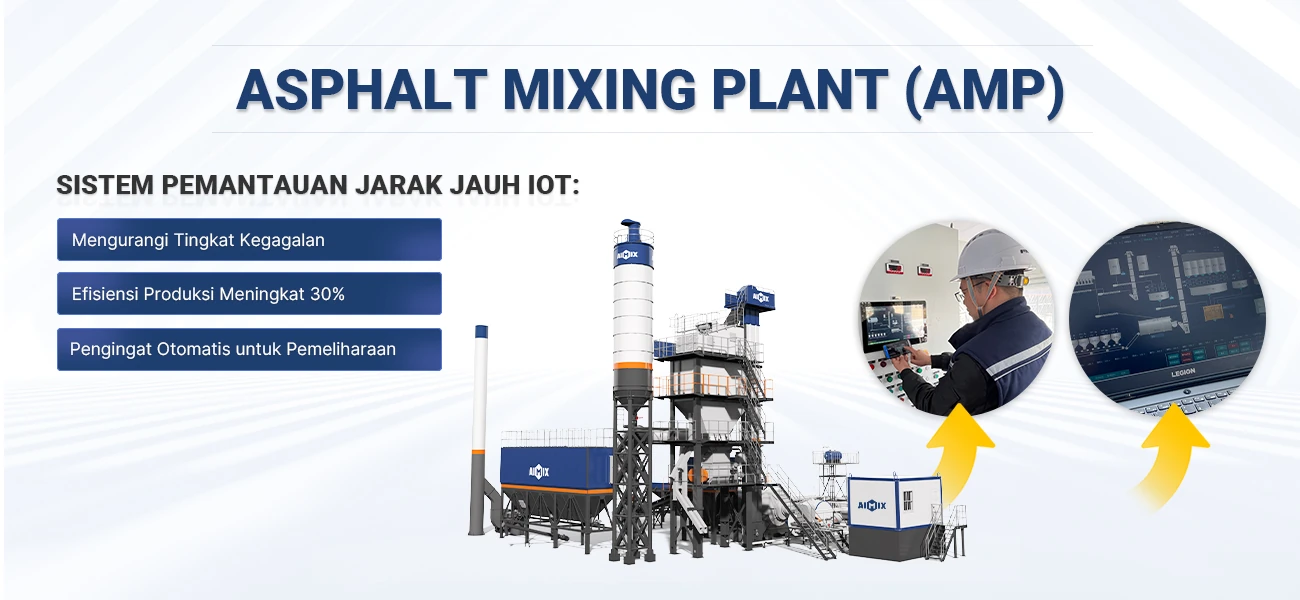
Final Conclusion: Is A 120 TPH Asphalt Plant A Profitable Choice?
A 120 TPH asphalt plant can be profitable with 80,000 tons yearly production when contractors have stable demand, efficient operation, and effective cost management.
This capacity is suitable for many medium-scale construction businesses because it balances investment cost and production capability. It can support road projects while also creating opportunities for commercial asphalt sales.
However, profitability depends on more than equipment capacity. Market demand, plant location, raw material supply, fuel efficiency, and supplier support all influence long-term returns.
If you are planning an asphalt production business or preparing for upcoming road construction projects, selecting the right asphalt plant capacity is the first step. Contact professional asphalt equipment experts to evaluate your production goals and receive a customized solution for your market.