Investing in a construction waste recycling plant requires more than choosing a crusher with a suitable production capacity. The plant must receive enough recyclable material to keep equipment operating efficiently while producing recycled aggregates that local customers are willing to purchase. If the selected capacity exceeds the available waste supply, equipment utilization may remain low and capital recovery may take longer than expected. If capacity is too small, incoming waste can accumulate, increasing storage requirements and delaying recycling operations. Estimating waste supply, material composition, and local demand before selecting equipment provides a more reliable foundation for investment planning.
Estimate the Available Construction Waste Supply
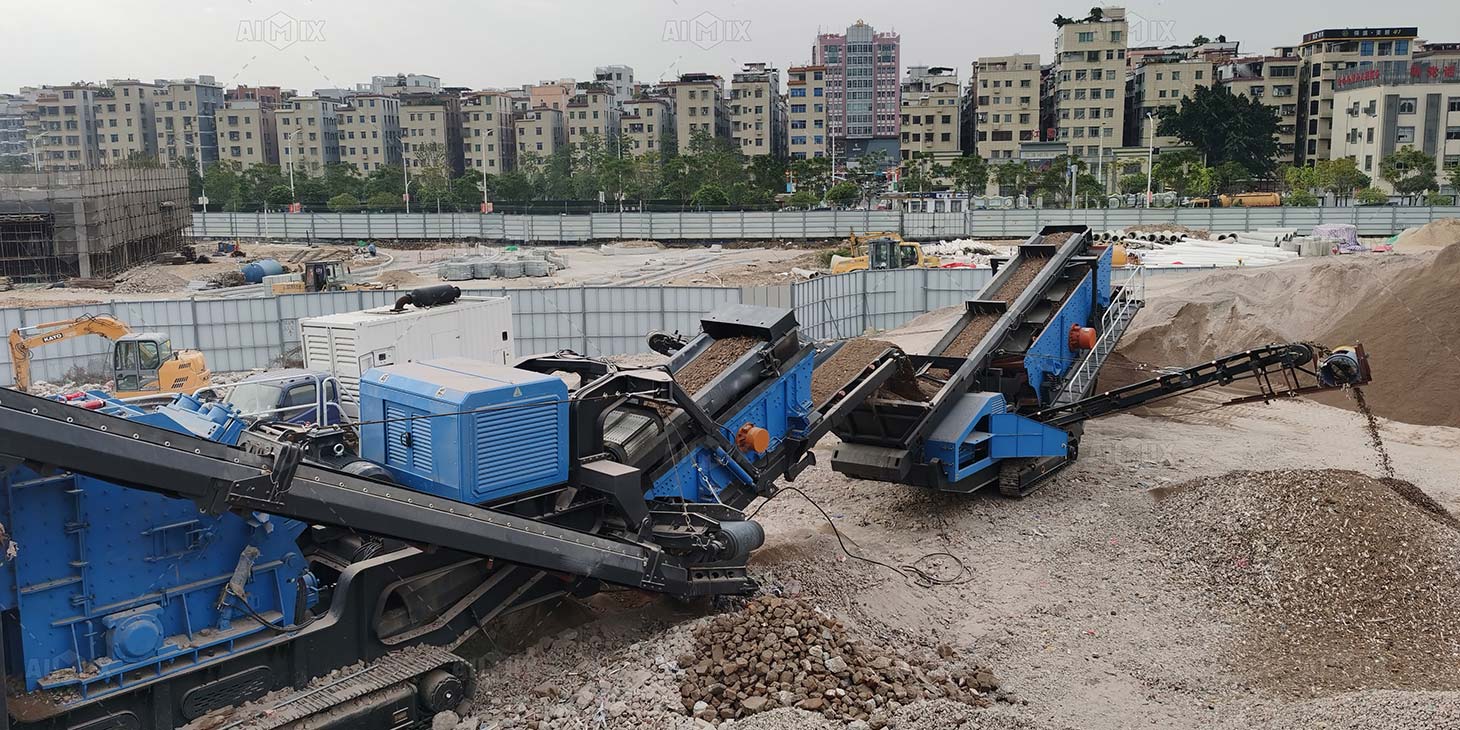
The first step is to identify where construction and demolition waste will come from. Potential sources include building demolition, road reconstruction, commercial renovation, concrete structure removal, and infrastructure development. Each source can produce different quantities and types of waste, so investors should estimate the volume available from each project rather than relying on broad regional construction statistics alone.
Review the number of active projects, their expected durations, demolition schedules, and the proportion of waste that can realistically be delivered to the recycling facility. Construction activity does not automatically translate into a dependable supply. Contractors may already have disposal agreements, use alternative recycling facilities, or transport waste to other locations. Discussions with demolition contractors, construction companies, and waste haulers can help establish realistic supply estimates.
It is also important to distinguish between total waste generated and the material suitable for processing. Mixed debris containing wood, plastic, soil, insulation, and other contaminants may require substantial sorting, while clean concrete waste may be easier to convert into recycled aggregate. Investment calculations should use the expected recoverable feed volume rather than assuming that every incoming ton can enter the crusher directly.
Calculate the Daily Feed Volume and Required Capacity
Once the likely waste supply has been established, estimate how much material the plant needs to process each day. A simple calculation is:
Required average hourly capacity = Expected annual processable waste ÷ Annual operating hours
For example, a facility expecting to process 60,000 tons of suitable construction waste annually and operating 250 days per year for eight hours per day would need to process an average of 30 tons per operating hour. This figure represents the average processing requirement, not necessarily the equipment’s rated capacity.
The selected plant should also account for downtime, maintenance, feed interruptions, sorting, and variations in waste delivery. If the facility receives material irregularly, a buffer area may help separate incoming deliveries from continuous processing. However, stockpiling cannot compensate indefinitely for insufficient annual waste supply. Investors should distinguish between temporary fluctuations that storage can manage and a persistent shortage that would leave the plant underutilized.
Match Equipment Configuration to Incoming Waste
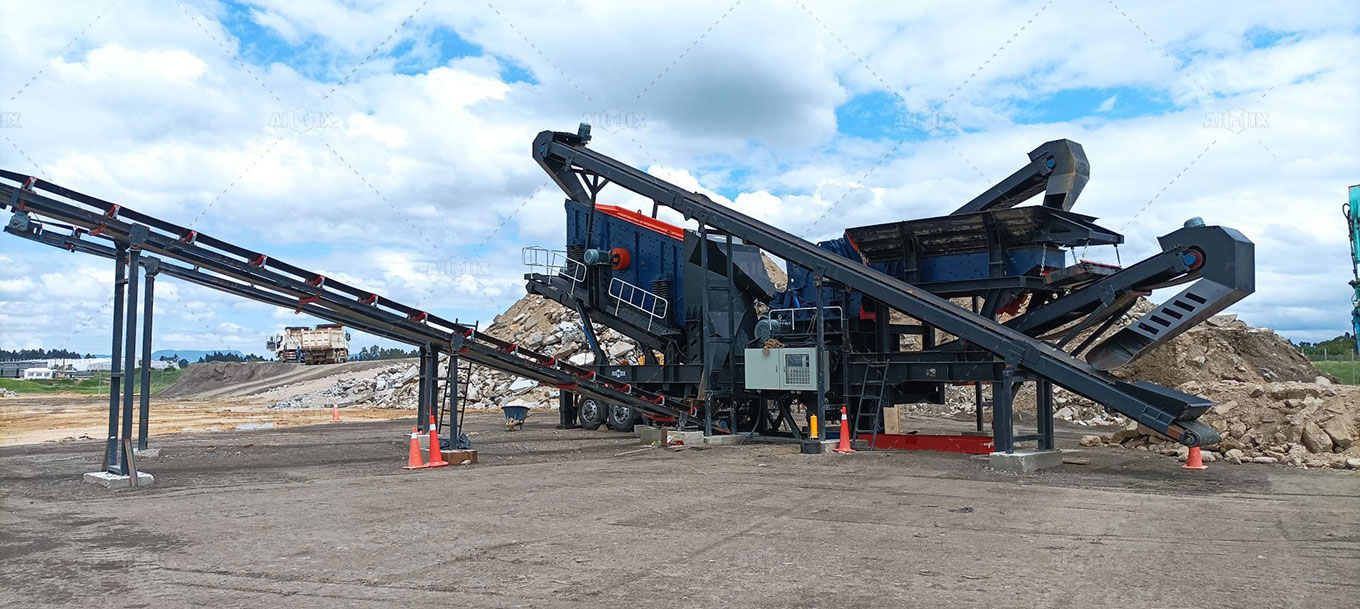
Construction waste varies in size, strength, reinforcement content, and contamination. These differences influence the required crushing process. Large concrete blocks may need primary jaw crushing, while impact crushing may be appropriate for certain applications requiring further size reduction and suitable particle shape. Screening separates the crushed material into different size fractions, and magnetic separation can recover steel from reinforced concrete.
A mobile crusher plant may suit projects where waste is generated at changing locations or where transporting bulky concrete debris to a central facility is expensive. Processing waste closer to demolition sites can reduce haulage requirements and provide flexibility for contractors handling multiple projects. However, investors should account for relocation costs, setup time, site access, and the need to move finished aggregate to customers or storage areas.
For smaller demolition projects or operations that process concrete at different locations, a portable concrete crusher for sale may be worth evaluating. The right configuration depends on the expected feed size, material hardness, reinforcement, required output sizes, and production volume. Before purchasing, confirm whether the proposed equipment includes the necessary feeding, screening, conveying, and metal-separation functions. A crusher’s advertised capacity alone does not establish the output of the complete recycling process.
Assess the Market for Recycled Aggregate
Waste supply determines how much material the facility can process, but product demand determines whether the operation can sell what it produces. Recycled concrete aggregate may be used in applications such as road subbase, selected filling, temporary access roads, and other construction uses where the material meets project specifications. Actual acceptance depends on local standards, engineering requirements, and customer preferences.
Before committing to a plant capacity, identify likely buyers and the quantities they can absorb. Road contractors, civil engineering companies, construction firms, and aggregate distributors may represent potential customers. Discuss required particle sizes, grading, contamination limits, delivery schedules, and purchasing prices. A market that accepts only one product size may not support a plant designed to produce several fractions unless additional customers can be secured.
Transport distance also influences commercial viability. Recycled aggregate is relatively bulky, so long delivery distances can absorb the savings associated with recycling. In some markets, the strongest opportunity is to supply nearby construction projects rather than compete with established quarries across a wider region.
Estimate Investment and Operating Costs
The equipment quotation is only one component of the initial investment. A complete budget should include site preparation, foundations where required, electrical or fuel infrastructure, loading equipment, storage areas, drainage, dust control, screening, conveyors, installation, and commissioning. Depending on the waste stream, sorting equipment and residue-handling facilities may also be necessary.
Operating costs should be estimated using realistic production assumptions. Include labor, fuel or electricity, wear parts, maintenance, equipment relocation, internal material handling, and disposal fees for unrecoverable residues. The cost per ton should be calculated using saleable aggregate output rather than total incoming waste, because contamination and processing losses can reduce the quantity of commercially usable material.
Potential revenue may include waste acceptance fees, recycled aggregate sales, and recovered scrap metal. These income sources should be assessed separately because local contracts and market conditions determine whether they are reliable. A plant may receive substantial waste volumes but still struggle financially if disposal fees are low, aggregate demand is weak, or operating costs are high.
Consider Local Conditions Before Purchasing Equipment
Investors evaluating a crushing plant Philippines project should account for local construction activity, waste collection routes, site accessibility, shipping costs, and regional demand for recycled materials. In an archipelago market, transport between islands can materially affect equipment delivery, spare-parts availability, and finished-product distribution. A facility serving a concentrated urban area may have different logistics and supply characteristics from one operating near a remote infrastructure project.
Confirm the site’s road access, space for stockpiles, drainage conditions, operating permits, and environmental requirements before finalizing the layout. Rainfall and wet feed can affect screening efficiency, while limited space may constrain sorting and storage. Investors should also verify local requirements for waste acceptance, dust and noise control, wastewater management, and the use of recycled aggregate in construction.
Equipment suppliers should be asked to evaluate the actual feed material and intended product specifications. This helps establish a realistic capacity range and reduces the risk of selecting a machine that cannot handle the incoming waste or deliver the required product quality.
Choose Capacity Based on Realistic Growth
A construction waste recycling plant should be designed around verified waste supply and market demand, with enough flexibility to handle reasonable fluctuations. Starting with a capacity that matches current supply may reduce capital risk, while modular equipment or an expandable layout can provide room for future growth. Expansion should be based on sustained increases in incoming waste and confirmed demand for recycled aggregate, not simply on optimistic forecasts.
Before investing, prepare conservative, expected, and high-demand scenarios. Compare utilization rates, cost per ton, sales volumes, and cash flow under each scenario. This makes it easier to identify the minimum feed volume required for sustainable operations and understand how sensitive profitability is to project delays or changes in waste availability.
Conclusion
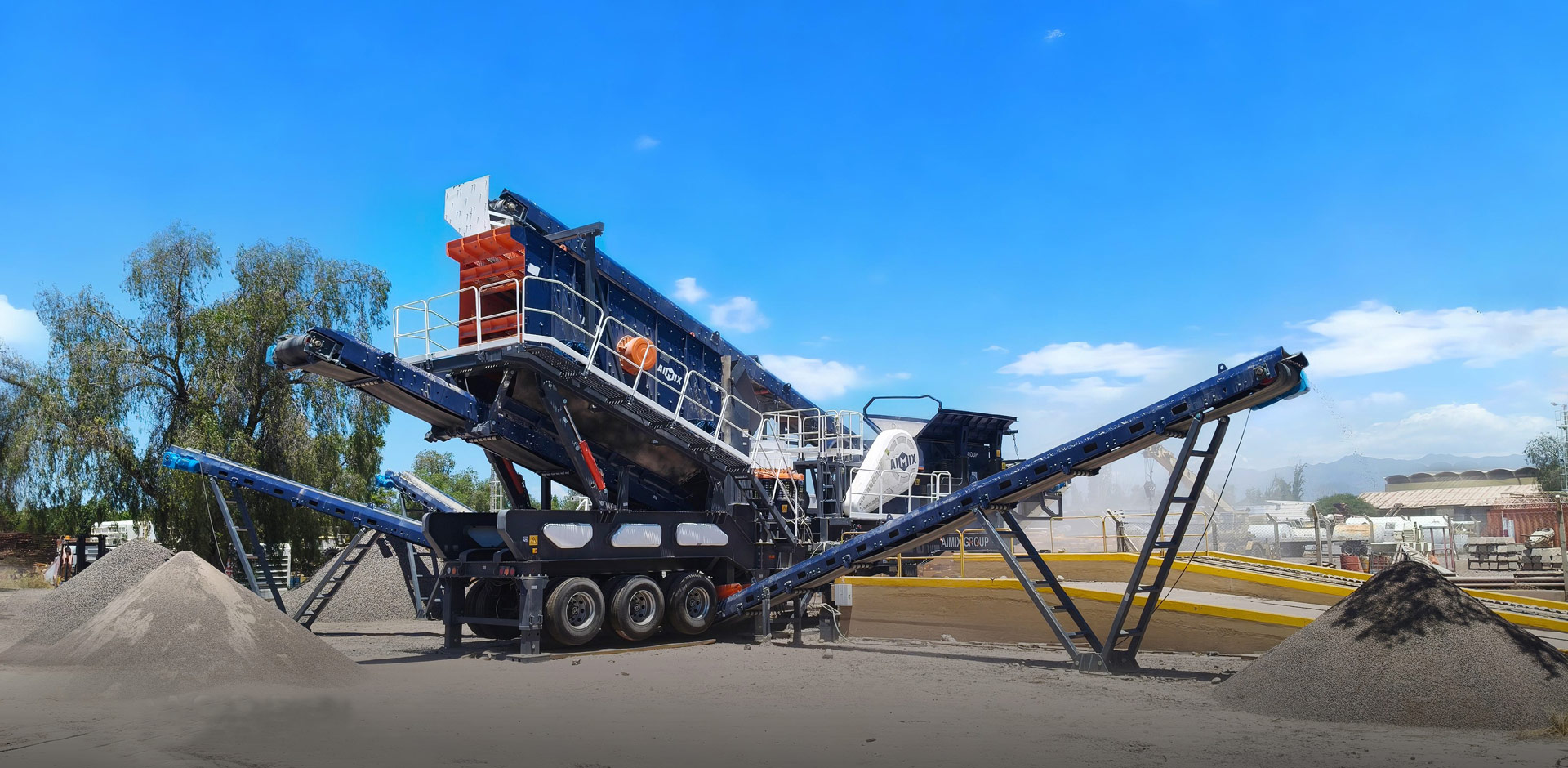
Successful construction waste recycling plant investment begins with a reliable estimate of processable waste supply, followed by a realistic assessment of equipment capacity, recycled aggregate demand, logistics, and operating costs. A mobile crusher plant or portable concrete crusher may provide flexibility for suitable projects, but its value depends on the volume and type of material available and the market for finished products. By confirming waste sources, calculating actual processing requirements, and planning for local conditions before purchasing equipment, investors can reduce underutilization risk and build a more commercially sustainable recycling operation.