For most new plant mix asphalt projects, contractors should start detailed planning about 4 to 8 months before the planned start of regular asphalt production. A six-month planning window is a useful starting point for many projects. However, the actual lead time depends on plant capacity, configuration, project location, transport distance, site preparation, installation requirements, and the local construction season.
For projects in Kazakhstan and other markets with a limited paving season, the timing becomes even more important. The safest approach is to work backward from the first planned paving date and make sure the plant has enough time for delivery, installation, testing, and trial production.

Why Should You Order An Asphalt Plant Months Before Construction?
An asphalt plant is not ready for production as soon as the purchase order is signed. The equipment normally passes through several stages before it can supply asphalt mix to a paving crew. These stages include technical confirmation, manufacturing, transportation, site preparation, installation, electrical work, commissioning, and trial production.
Therefore, the equipment delivery date should not be treated as the project production date. A contractor needs additional time between plant arrival and the first commercial batch.
For example, if paving must begin in June, receiving the plant in June may already be too late. The plant should ideally arrive earlier so the installation team can assemble the equipment, connect the systems, test the controls, and prepare the first mix before continuous paving begins.
This is why experienced contractors normally plan the asphalt plant around the first production date, not simply around the equipment shipping date.
What Is A Practical Asphalt Plant Procurement Timeline?
A practical procurement schedule usually includes several stages. Each stage affects the next one, so delays can accumulate quickly if the project team waits until the last moment.
| Project Stage | Typical Planning Window | Key Activities |
|---|---|---|
| Project requirement confirmation | 4–8 months before production | Capacity, mix requirements, fuel, location, and plant type |
| Supplier and configuration selection | 4–7 months before production | Technical specifications, quotation, and equipment list |
| Manufacturing | According to supplier schedule | Fabrication, assembly, inspection, and preparation |
| Transportation | Several weeks or more | Shipping, customs, unloading, and inland transport |
| Installation and commissioning | Several weeks | Mechanical, electrical, control, and system testing |
| Trial production | Before paving starts | Calibration, mix testing, and operator preparation |
These periods are planning references rather than guaranteed delivery times. The actual schedule should come from the supplier’s production capacity, the final equipment configuration, the destination, and the transport route.
When Should You Start Looking For An Asphalt Plant?
The supplier search should normally start earlier than the actual purchase order. This gives the contractor time to compare different plant configurations and understand the complete project cost.
For example, a contractor planning to start asphalt production in June can begin supplier discussions around November or December of the previous year. This does not necessarily mean the contractor must immediately purchase the equipment. Instead, the early stage can focus on technical planning, quotations, production schedules, and logistics.
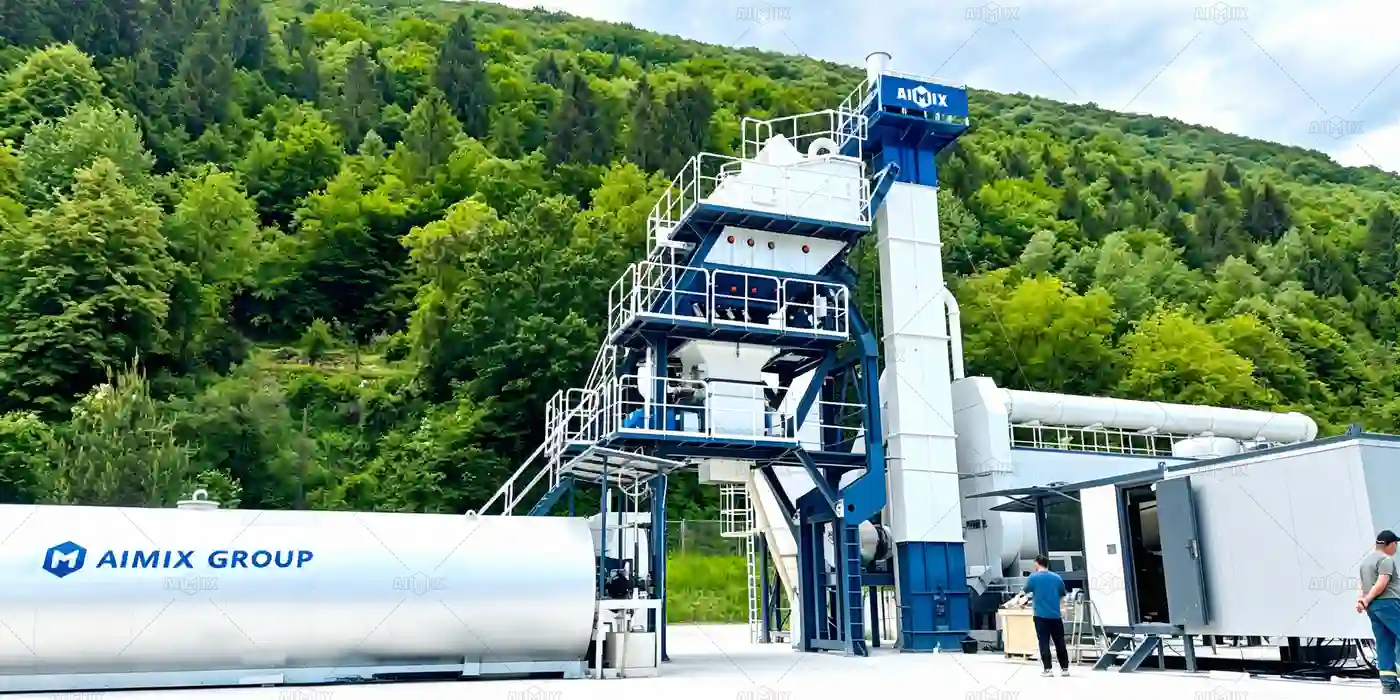
At this stage, it is useful to compare an asphalt batch mix plant for sale with other available plant configurations. The contractor can then determine which system matches the required production volume, mix requirements, and project duration.
Starting early also gives the contractor more time to change the configuration if the initial plant does not match the project requirements.
How Does Project Capacity Affect Ordering Time?
Plant capacity has a direct relationship with procurement planning. A small plant for a short project may have a simpler configuration. A larger plant may require more aggregate bins, larger storage systems, higher-capacity conveyors, additional silos, and more complex electrical and control systems.
However, capacity should not be considered separately from the actual asphalt demand.
Calculate The Required Asphalt Production First
Suppose a road project requires 60,000 tons of asphalt mix during a construction season. A contractor should not simply divide this number by the plant’s theoretical hourly capacity and assume that the resulting figure represents the actual project duration.
The calculation also needs to consider operating hours, truck availability, material supply, mix changes, maintenance, weather, plant warm-up, and paving efficiency.
For example, a 100 TPH plant has a theoretical production capacity of 100 tons per operating hour. However, the actual daily production can be lower because the plant does not necessarily operate continuously at its rated capacity.
Therefore, contractors should estimate both hourly capacity and practical daily output when selecting the plant.
Consider The Project’s Peak Production Period
The average monthly requirement is not always enough. A project may have several weeks when asphalt demand is much higher than normal.
For example, a highway contractor may need moderate asphalt production during initial earthwork and drainage operations. Later, several paving crews may work simultaneously. Asphalt demand can then increase sharply.
Consequently, plant capacity should support the project’s peak production requirement rather than only its average demand.
Why Site Preparation Should Start At The Same Time
Ordering the plant is only one part of the schedule. The site must also be ready when the equipment arrives.
This is where many project schedules lose valuable time. The plant may reach the project site, but installation cannot begin because the foundation is incomplete or the electrical supply is not ready.
Therefore, site preparation should progress in parallel with equipment manufacturing.
Foundation And Layout
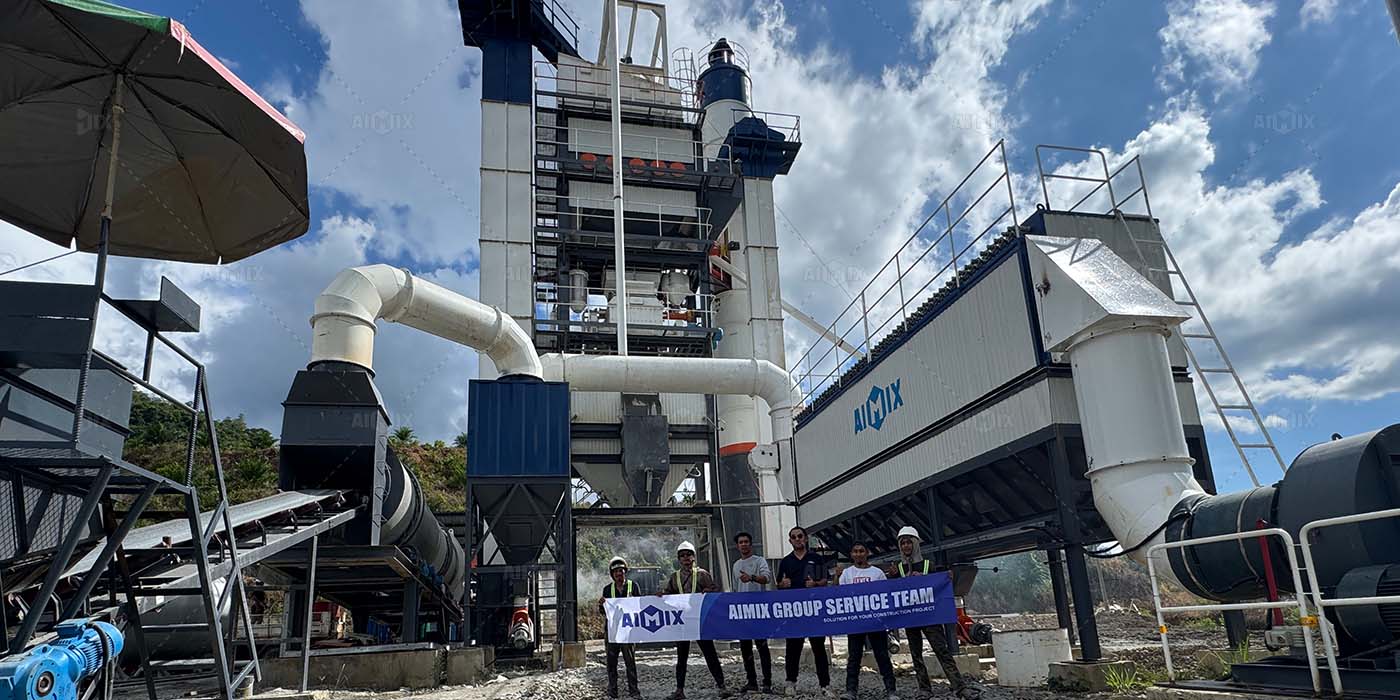
The contractor should confirm the plant layout before foundation work begins. The layout should consider aggregate bins, conveyors, mixing tower, control room, bitumen tanks, fuel system, finished asphalt storage, truck circulation, drainage, and maintenance access.
The exact foundation design depends on the selected plant and site conditions. For this reason, the supplier should provide the required technical information before permanent civil work begins.
Electrical And Utility Preparation
The contractor should also confirm the available power supply and utility connections. Electrical capacity, cable routing, grounding, lighting, water requirements, and fuel storage should be considered during site planning.
Preparing these systems before the plant arrives can shorten the final installation period.
How Does Transportation Affect The Procurement Schedule?
Transportation can become a major part of the timeline when an asphalt plant travels a long distance from the manufacturer to the construction site.
The contractor should therefore calculate the entire logistics chain rather than only the international shipping period.
The actual route may include factory loading, port transportation, ocean or rail freight where applicable, customs clearance, unloading, inland transportation, and final delivery to the construction site.
For a remote road project, the final inland transport stage can take significant time. Large components may also require special transport arrangements depending on their dimensions and weight.
As a result, contractors should discuss the complete delivery route with the supplier before finalizing the procurement schedule.
Why Should You Compare Suppliers Before Placing The Order?
Choosing a supplier is not only about finding the lowest equipment price. The supplier’s ability to support production, installation, spare parts, commissioning, and technical communication can affect the actual project schedule.
When comparing asphalt plant suppliers, contractors should request a complete equipment list and clarify what is included in the quotation.
The quotation should clearly identify the main plant components, control system, burner, dust collection system, aggregate feeding system, bitumen system, electrical components, storage options, and other required accessories.
More importantly, ask the supplier to provide a realistic manufacturing and delivery schedule. A short quoted lead time is useful only if the supplier can actually meet it.
Should You Choose A Batch Or Drum Asphalt Plant?
The plant type can also influence the purchasing decision. Contractors should choose according to the project’s production pattern rather than assuming that one plant type is suitable for every project.
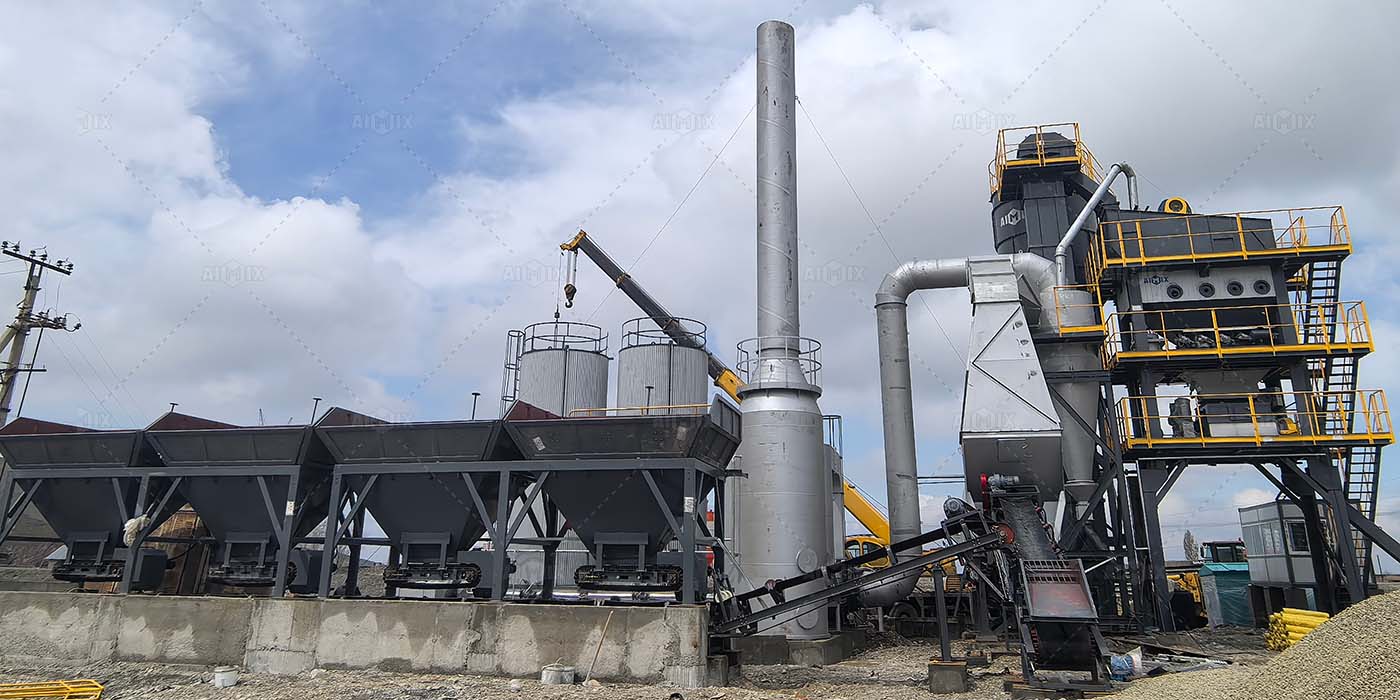
A batch plant produces asphalt mix in separate batches. This production method can be useful when the contractor needs to manage different mix designs or change production specifications during a project.
A drum plant uses continuous mixing and can suit projects that require steady production of a relatively consistent asphalt mix.
Therefore, the contractor should consider the number of mix designs, required production volume, project duration, material supply, and operating strategy before making the decision.
For contractors researching an hmp plant, the same principle applies. The equipment should match the project’s actual hot-mix asphalt production requirements rather than being selected only from a general capacity range.
How Early Should Kazakhstan Road Contractors Plan?
For Kazakhstan, early planning can be particularly important because road construction is affected by seasonal weather conditions. The available paving period is not unlimited, especially in colder regions.
A contractor should therefore identify the expected paving window first. Then, work backward through plant installation, transportation, manufacturing, purchasing, and technical planning.
For example, if regular asphalt production needs to begin in May, the project team should ideally start detailed plant planning during the previous autumn. If the project is remote or requires a customized plant, an even earlier start can provide more flexibility.
This approach also helps contractors avoid competing for transport capacity and technical support during the busiest period.
What Should You Confirm Before Ordering?
Before signing the final purchase agreement, the contractor should confirm the technical and commercial details in writing.
- Required asphalt production capacity.
- Expected daily and seasonal asphalt output.
- Batch or drum production method.
- Number and capacity of cold aggregate bins.
- Aggregate size and moisture conditions.
- Burner fuel and fuel consumption requirements.
- Bitumen storage and heating capacity.
- Finished asphalt storage requirements.
- Dust collection configuration.
- Electrical and control system requirements.
- Foundation and site layout requirements.
- Equipment dimensions and transport requirements.
- Installation and commissioning support.
- Spare parts and maintenance support.
- Operator training requirements.
- Warranty and after-sales service conditions.
- Manufacturing and shipping schedule.
Once these points are clear, the contractor has a much better basis for calculating the real procurement timeline.

What If The Project Has A Very Short Lead Time?
Sometimes a contractor receives a project with a tight construction schedule. In this situation, waiting several months before starting equipment planning may not be realistic.
The first step is to identify which parts of the project can move in parallel. Supplier selection, site preparation, foundation work, transport planning, and documentation can often progress at the same time when the technical configuration is already clear.
The contractor should also ask suppliers about their current production schedule and whether standard configurations are available within the required period.
However, an urgent project should not remove essential testing and commissioning stages. Saving a few weeks before installation can create much larger delays if the plant starts production without adequate preparation.
How To Build A Safer Procurement Schedule
A simple backward-planning method can make the procurement process easier.
- Set the first paving date. This is the final target for plant readiness.
- Allow time for trial production. The plant should produce test material before regular paving.
- Allow time for installation. Include mechanical, electrical, and control system work.
- Calculate transportation time. Include inland transport and unloading.
- Confirm the manufacturing schedule. Obtain a realistic production period from the supplier.
- Complete technical specifications early. Avoid changes after manufacturing begins.
- Prepare the site in parallel. Foundation and utility work should not wait for equipment arrival.
This method creates a complete project timeline rather than relying on a single supplier delivery date.
How Early Is Too Early?
Ordering earlier is not always better. The contractor should also consider project certainty and cash flow.
If the road contract has not been awarded, purchasing a complete asphalt plant immediately can create unnecessary financial exposure. In that situation, it can be more practical to complete supplier evaluation, technical design, quotation comparison, and preliminary logistics planning first.
Once the project becomes sufficiently certain, the contractor can move quickly because much of the preparation has already been completed.
In contrast, if a major road contract has already been signed and the paving season is approaching, delaying procurement can create much greater schedule pressure.
Is Six Months A Good Starting Point?
For many projects, yes. Six months provides a useful working target for planning a new asphalt plant, although it should never replace a supplier-specific schedule.
A contractor can use the six-month period to complete the main procurement stages while keeping additional time available for unexpected issues.
For a standard plant and a well-prepared site, the schedule may be shorter. For a customized plant, remote project, difficult transport route, or complex installation, the schedule may need to be longer.
The key is to identify these differences before signing the order rather than after the equipment is already in production.
Plan The Plant Around The Construction Schedule
The right time to order an asphalt plant depends on more than the supplier’s manufacturing period. A contractor needs to consider the entire chain from project confirmation to the first day of continuous asphalt production.
As a general planning rule, start detailed procurement 4 to 8 months before regular asphalt production. For Kazakhstan road projects, starting around six months in advance can provide a useful balance between procurement flexibility and capital planning. Remote projects or customized systems may require additional time.
Most importantly, do not wait until the paving crew is ready before thinking about the asphalt plant. Confirm the required capacity, select the plant type, compare suppliers, prepare the site, arrange transportation, and schedule commissioning well before the first paving operation.
If you are preparing a new road, highway, airport, industrial road, or municipal paving project, start with the project numbers rather than the equipment model. Share your project location, total asphalt volume, expected daily production, paving start date, required plant capacity, fuel type, and preferred batch or drum configuration. These details provide a much more reliable basis for developing an asphalt plant procurement and installation schedule.