When comparing crushing equipment, production capacity is often one of the first specifications operators look at. A crusher rated for hundreds of tons per hour may appear to be the obvious choice for a large quarry or mining project. However, high rated capacity does not automatically mean high overall performance. A successful crushing operation depends on how the crusher works with feeders, screens, conveyors, material characteristics, and operating conditions. Understanding this difference is essential when designing a reliable rock processing system.
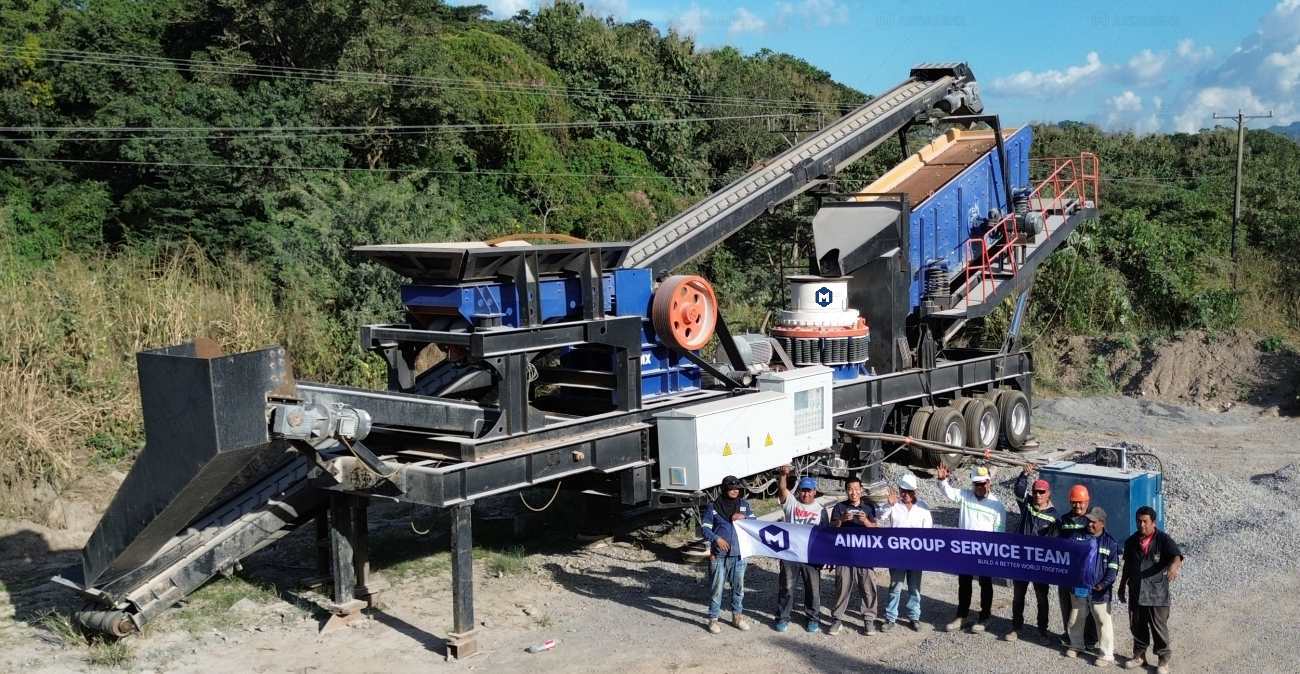
Capacity Is Only One Part of Crushing Performance
A high-capacity rock crusher machine is designed to process a large volume of material under specified operating conditions. Its rated output provides an important reference when estimating production potential, but actual output can be significantly different. Feed size, rock hardness, moisture, crusher settings, and feeding consistency all influence how much material the machine can process in real operation.
For example, a crusher may have a theoretical capacity of 500 tons per hour, but if the feeder supplies material inconsistently or the screening system cannot handle the discharge, the entire plant will produce considerably less. This is why equipment capacity should be considered within the context of the complete production process rather than as an isolated number.
What Makes a Crushing System High Performance?
A high-performance crushing system is built around balanced material flow. The feeder must supply the primary crusher at a stable rate, while secondary and tertiary crushers need to receive material within their appropriate feed-size ranges. Screens then separate finished products from oversize material and return the latter to the crushing circuit when necessary.
Conveyors and stockpiles are equally important. If material accumulates at a transfer point or finished-product stockpiles become full, upstream equipment may need to stop even though the crushers themselves are operating normally. A high-performance system therefore aims to keep every stage working efficiently rather than maximizing the output of one machine.
Material Characteristics Change the Equation
Rock properties have a major influence on crusher performance. Granite, basalt, limestone, and other materials have different levels of hardness, abrasiveness, moisture, and fracture characteristics. A machine that performs well with one material may not deliver the same results when processing another.
For instance, hard and abrasive rock may require a robust crushing circuit with carefully selected wear components. Softer materials may require a different configuration to avoid excessive fines and unnecessary energy consumption. The right aggregate crusher should therefore be selected according to the characteristics of the feed material and the specifications of the finished aggregate.
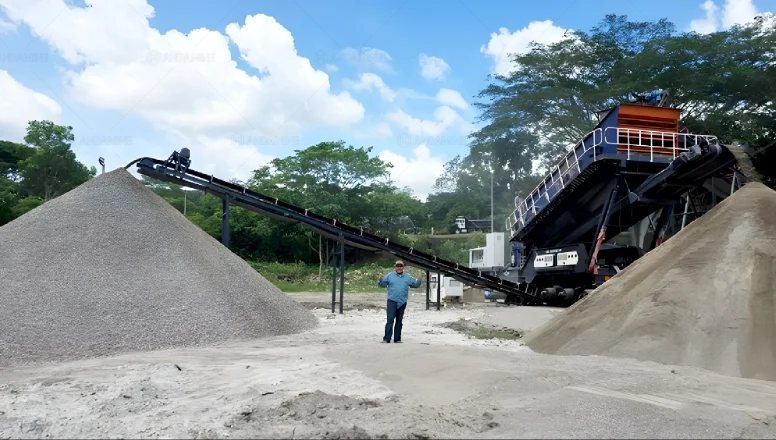
Reduction Ratio Matters as Much as Throughput
Another important difference between capacity and performance is the reduction ratio. A crusher may process a large amount of material, but that does not mean it can efficiently achieve the required final size in a single stage. Trying to force too much size reduction through one machine can increase wear, energy consumption, and the production of unwanted fines.
Multi-stage crushing distributes size reduction between different machines. A primary crusher handles large rocks, while secondary and tertiary equipment produces progressively smaller material. This approach can provide better control over particle size and shape while reducing the burden placed on individual crushers.
Product Quality Defines Real Performance
For aggregate producers, tons per hour are only part of the equation. The quality of the final product determines whether the material can actually be sold for a particular application. Road construction, concrete production, asphalt manufacturing, and railway projects can require specific gradation, particle shape, strength, and cleanliness.
A high-performance crushing system is designed around these final requirements. Screens control particle-size distribution, while appropriate crusher configurations can help produce more desirable particle shapes. If a high-capacity crusher produces too much oversize or excessive fines, its apparent productivity may not translate into higher quantities of saleable aggregate.
Why Equipment Selection Should Consider the Whole Circuit
When evaluating gravel crushers for sale, buyers should consider more than the crusher’s advertised capacity and purchase price. Feed opening, maximum feed size, discharge range, power requirements, wear-part consumption, maintenance accessibility, and compatibility with existing equipment all affect long-term performance.
The same principle applies to an ore crushing machine. Mining applications can involve highly abrasive or variable materials, and the processing circuit may require several stages before the desired product size is achieved. Selecting equipment without considering downstream screening, conveying, and material-handling requirements can create bottlenecks and increase operating costs.
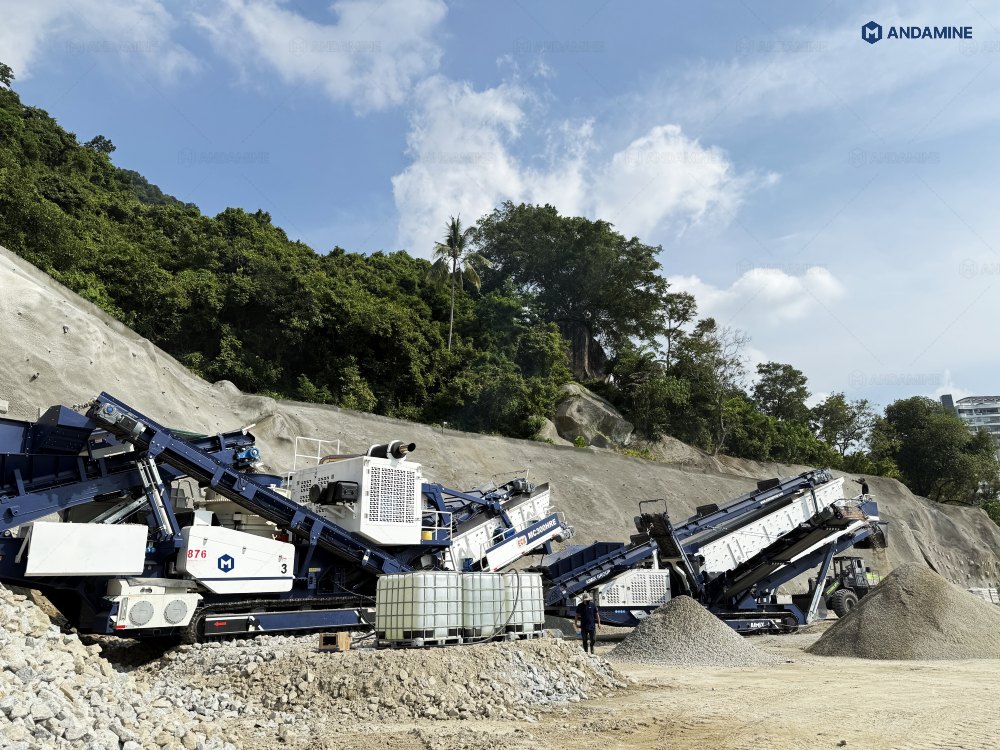
Feeding and Screening Can Limit Crusher Output
Even the most powerful crusher cannot compensate for an unstable feed system. Surges, interruptions, and excessive oversize material can reduce efficiency and create unnecessary stress on the equipment. A properly sized feeder helps maintain a consistent material flow and allows the crusher to operate closer to its effective capacity.
Screening performance is equally important. Efficient screens remove correctly sized material from the circuit and return oversize particles for further crushing. Poor screening can increase circulating loads and cause already-processed material to pass through the crusher repeatedly. As a result, improving screening efficiency can sometimes increase total plant output more effectively than upgrading the crusher itself.
Maintenance and Operating Conditions Matter
High-performance crushing is also closely connected to equipment availability. Wear on liners, jaw plates, blow bars, or other components gradually changes crushing performance. If maintenance is delayed, product size and shape may become inconsistent while energy consumption increases.
Regular inspection, lubrication, wear-part replacement, and timely adjustment help maintain stable production. Operators should also monitor actual feed rates, power consumption, crusher load, and product quality. These indicators provide a better picture of real performance than rated capacity alone.
Capacity Should Support the Production Goal
The ideal crushing system is not necessarily the one containing the largest crusher. Instead, it is the system that can consistently produce the required quantity and quality of saleable material at an acceptable operating cost. A smaller but well-balanced circuit can sometimes outperform a much larger plant with poor material flow or mismatched equipment.
Before investing in new equipment, producers should identify the actual production bottleneck. The solution may involve upgrading the feeder, improving screening, adding a crushing stage, changing crusher settings, or improving material handling rather than simply purchasing a higher-capacity machine.
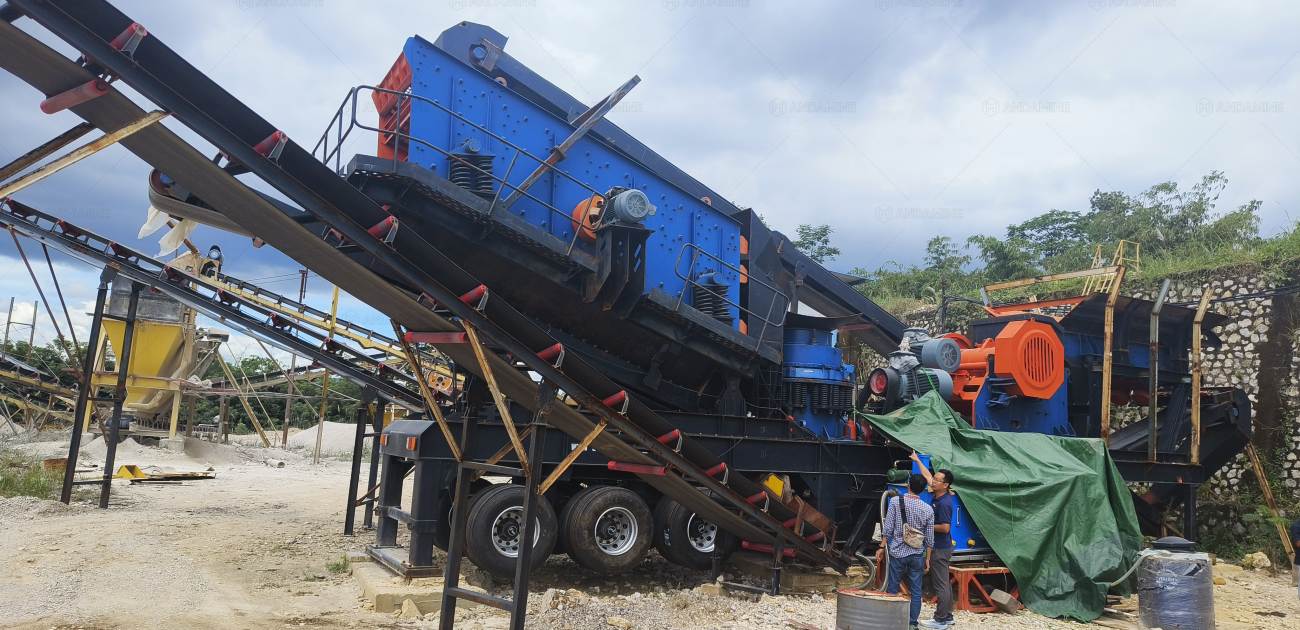
Conclusion
The real difference between a high-capacity rock crusher machine and a high-performance crushing system lies in how effectively the entire process works together. Capacity provides a theoretical production benchmark, while performance depends on material characteristics, feeding, crushing stages, screening, conveying, maintenance, and final product requirements. By designing the complete circuit around actual production goals, aggregate and mining operators can achieve more consistent output, better product quality, and more efficient use of equipment.