For road contractors in Nigeria, buying an asphalt plant is a major capital decision. A 100 TPH asphalt plant can produce enough hot mix asphalt for many medium and large road projects. However, capacity alone does not determine profitability. The real question is whether the plant can maintain a high utilization rate, reduce material transport costs, and support enough projects throughout the year.
Nigeria has a large and diverse road construction market. Contractors may work on federal highways, state roads, urban streets, industrial access roads, bridges, and rehabilitation projects. At the same time, contractors face fuel costs, equipment financing, aggregate logistics, site distances, maintenance requirements, and project delays. Therefore, a 100 TPH asphalt plant can be profitable, but only when the investment matches the contractor’s project pipeline and operating conditions.
This article explains how Nigerian contractors can evaluate a 100 TPH asphalt plant from a practical business perspective. It also shows when this capacity makes sense, where the main risks appear, and how contractors can improve the return on their investment. For contractors comparing local equipment options, the market for asphalt plant for sale in nigeria also provides a useful starting point for understanding available configurations.
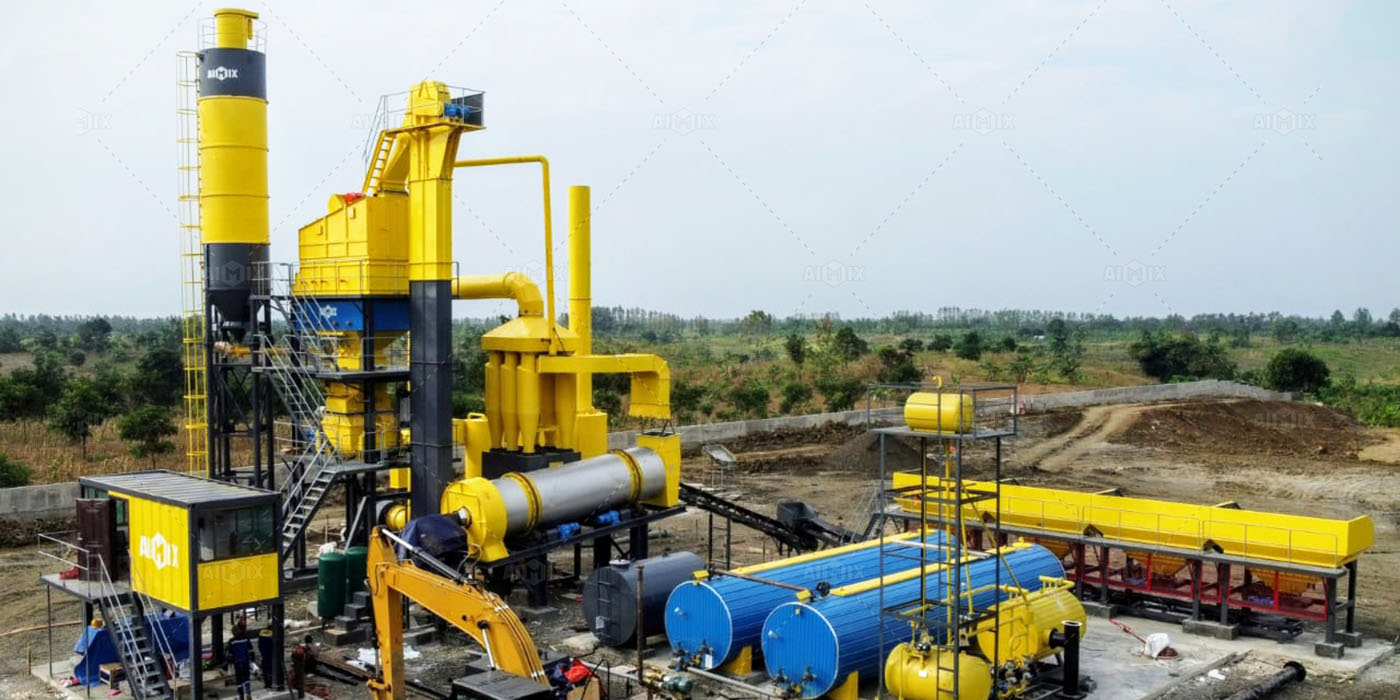
What Does A 100 TPH Asphalt Plant Mean For A Nigerian Contractor?
First, it is important to understand what the 100 TPH rating means. A 100 TPH asphalt mixing plant has a nominal production capacity of about 100 tons of hot mix asphalt per hour under suitable operating conditions.
However, contractors should not calculate revenue as if the plant will produce 100 tons every hour of every working day. Real production depends on aggregate moisture, mix design, loading efficiency, fuel supply, site conditions, weather, maintenance, truck availability, and operator experience.
For example, a contractor may operate the plant for several effective production hours instead of running continuously. Therefore, the practical output can be much lower than the theoretical hourly capacity.
Typical Production Scenarios
A simple planning example can make the investment easier to understand.
| Operating Scenario | Effective Production | Daily Output At 8 Hours |
|---|---|---|
| Low utilization | 50 TPH | About 400 tons |
| Moderate utilization | 70 TPH | About 560 tons |
| High utilization | 90 TPH | About 720 tons |
These figures are planning examples rather than guaranteed production results. Nevertheless, they show an important point. Plant utilization often matters more than the headline capacity.
Consequently, a contractor with a stable project pipeline may gain more from a well-used 100 TPH plant than from a much larger plant that frequently sits idle.
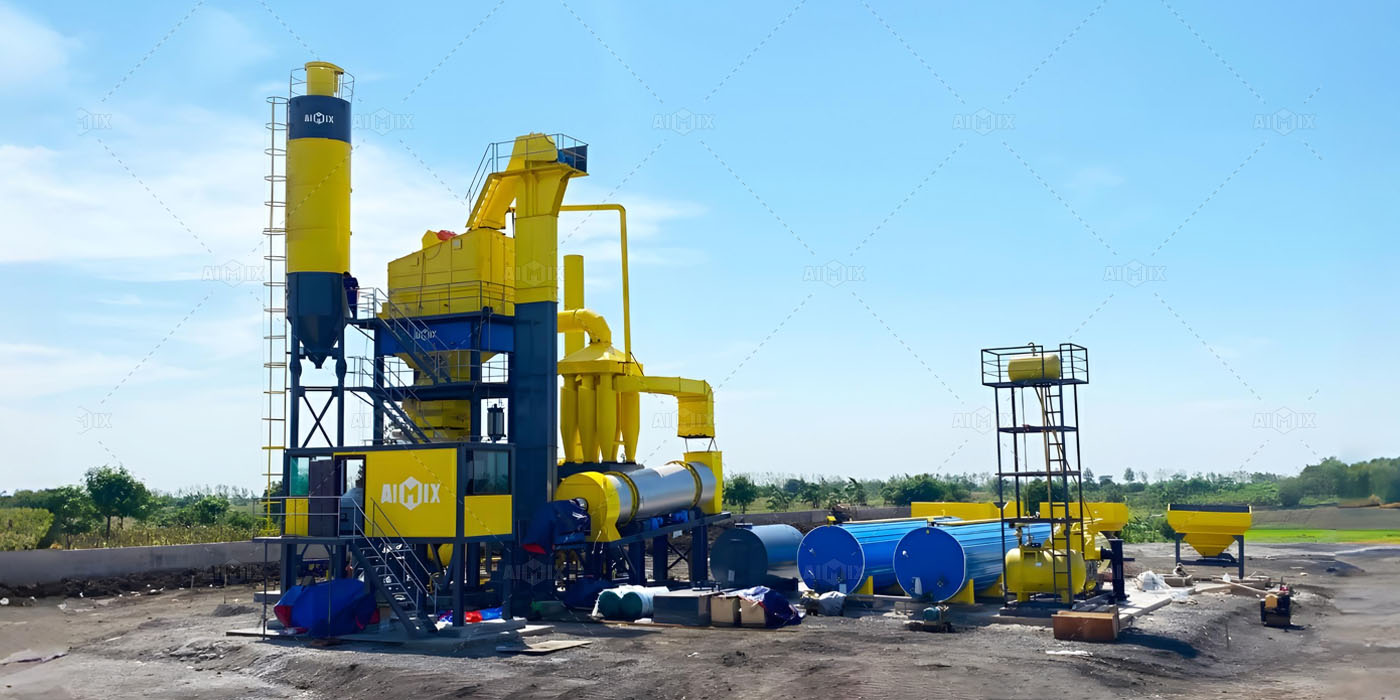
Why Can A 100 TPH Asphalt Plant Be Profitable In Nigeria?
The profitability of an asphalt plant comes from more than asphalt production. It can also change the contractor’s cost structure.
Instead of purchasing all hot mix asphalt from an external supplier, the contractor can produce asphalt closer to the construction site. This can improve control over production, scheduling, mix quality, and material availability.
For projects that require consistent hot mix production, a suitable hot mix plant for sale can help contractors integrate asphalt production more closely with their paving operations. However, the plant still needs enough project demand to justify its capital and operating costs.
Reduce Dependence On External Asphalt Suppliers
When contractors depend on third-party asphalt suppliers, they have less control over production schedules. A supplier may prioritize another large project during a busy construction period.
This creates a serious problem when paving crews, rollers, pavers, and trucks are already waiting at the site.
Owning a 100 TPH plant gives contractors greater control over asphalt production. They can coordinate production with paving schedules and adjust output according to project requirements.
Reduce Long-Distance Asphalt Transportation
Transportation can become a major cost when an asphalt plant is far from the paving site. Hot mix asphalt must also reach the site within a practical temperature and delivery window.
For projects outside major urban centers, this issue becomes even more important.
A contractor can position a mobile or suitably configured asphalt plant closer to the project area. This can reduce truck travel distance and improve delivery coordination.
However, the plant should not be moved simply because a project is remote. Site access, aggregate availability, fuel logistics, environmental requirements, and setup costs must also be considered.
Improve Project Scheduling
Road construction depends on coordination between many machines. Asphalt production must match the working speed of the paver and rollers.
If asphalt arrives too slowly, paving crews may stop. If production exceeds delivery capacity, trucks may queue and the plant may lose efficiency.
A 100 TPH plant can provide a useful production level for contractors who need to balance asphalt production with a medium-sized paving operation.
Therefore, the plant can become part of a coordinated production system rather than simply another piece of equipment.
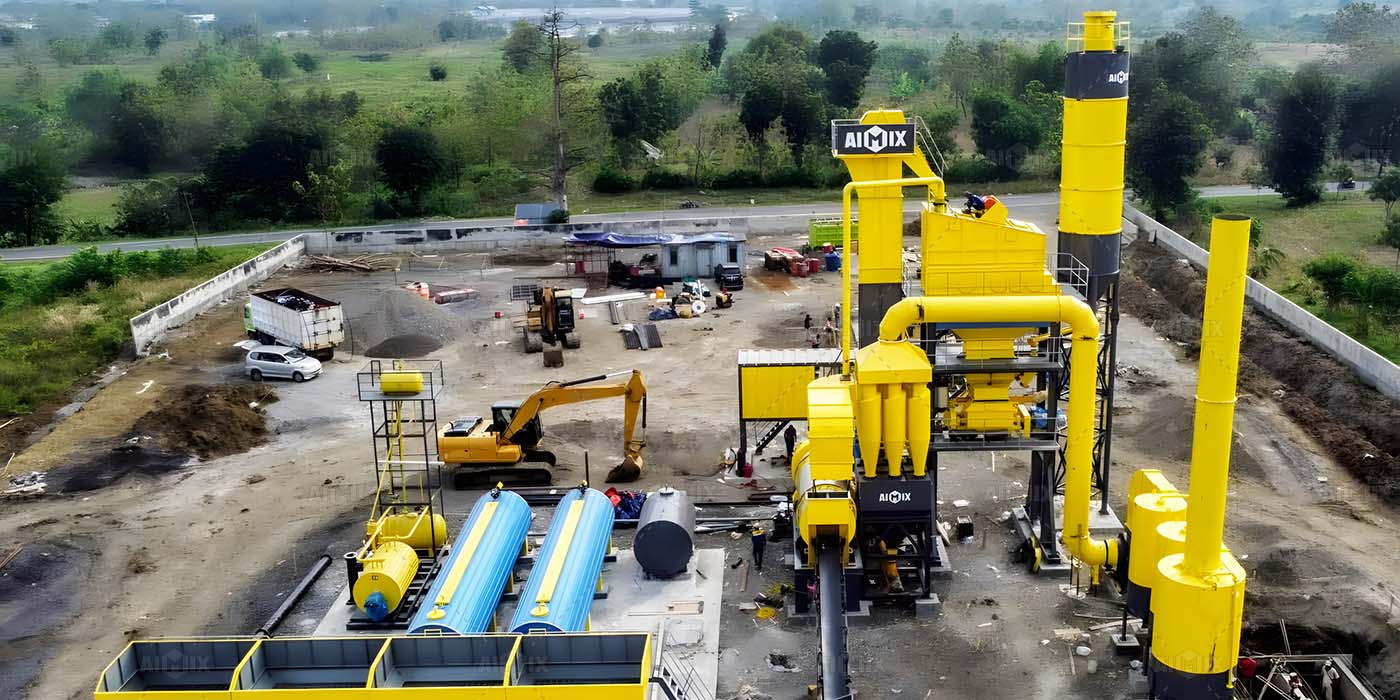
Which Nigerian Road Projects Fit A 100 TPH Asphalt Plant?
Project type is one of the most important factors in the investment decision. A 100 TPH plant does not suit every contractor or every project.
Instead, contractors should compare the plant capacity with their expected annual asphalt demand. This approach helps prevent overinvestment while ensuring that the plant can support demanding paving schedules.
Federal And State Road Rehabilitation
Road rehabilitation can create sustained demand for asphalt mixtures. Contractors may need asphalt for milling replacement, overlays, widening, shoulders, junction improvements, and damaged pavement sections.
A 100 TPH plant can work well when several road sections require asphalt during the same project period.
Urban Road Construction
Urban projects often involve many smaller paving areas. These can include city roads, access roads, intersections, parking areas, and commercial developments.
In these situations, a nearby asphalt plant can help contractors reduce delivery distances and improve daily scheduling.
Industrial And Commercial Roads
Industrial parks, factories, warehouses, logistics centers, and commercial developments also require durable paved surfaces.
These projects may not consume asphalt at the scale of a major highway. However, several projects in the same region can create a stable demand base.
Airport And Infrastructure Projects
Large infrastructure projects can require substantial asphalt volumes. However, contractors should examine the exact specification and production schedule before selecting a plant.
For very large airport or highway contracts, a 100 TPH plant may become a supplementary production unit rather than the only plant.
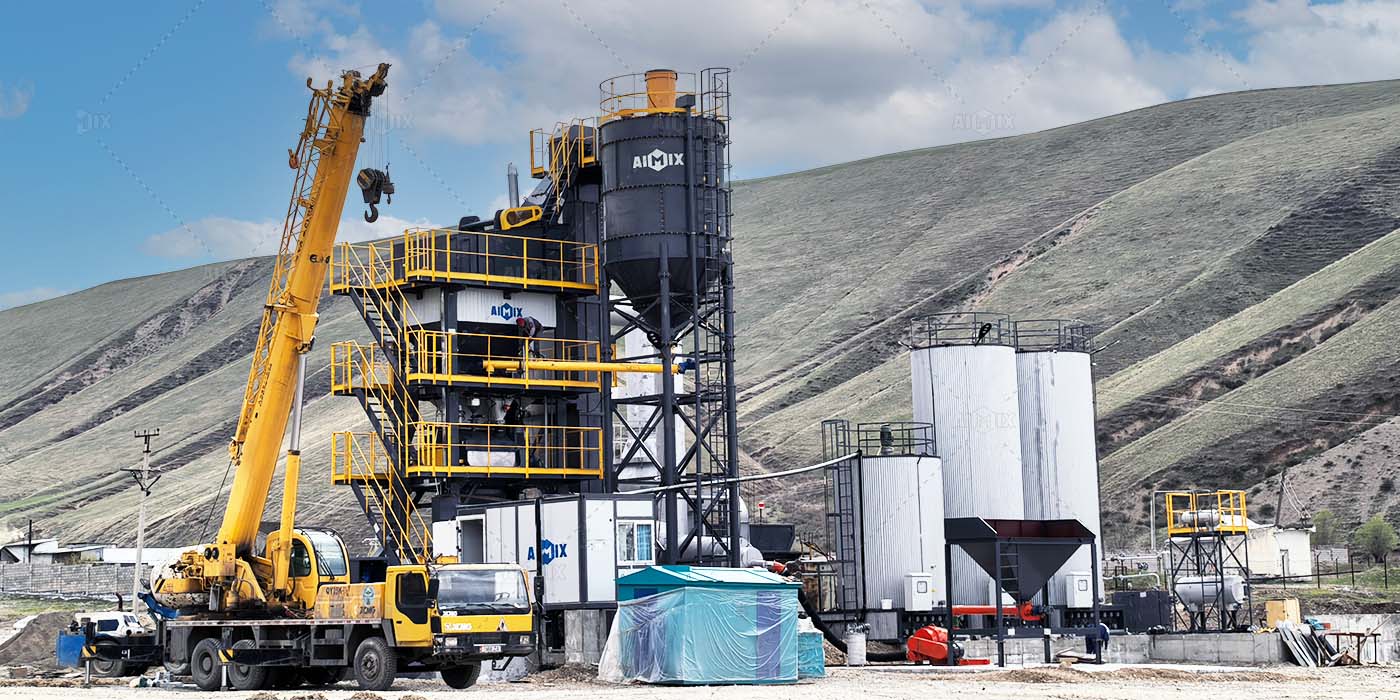
How Much Asphalt Demand Does A Contractor Need?
This is where the investment calculation becomes more practical.
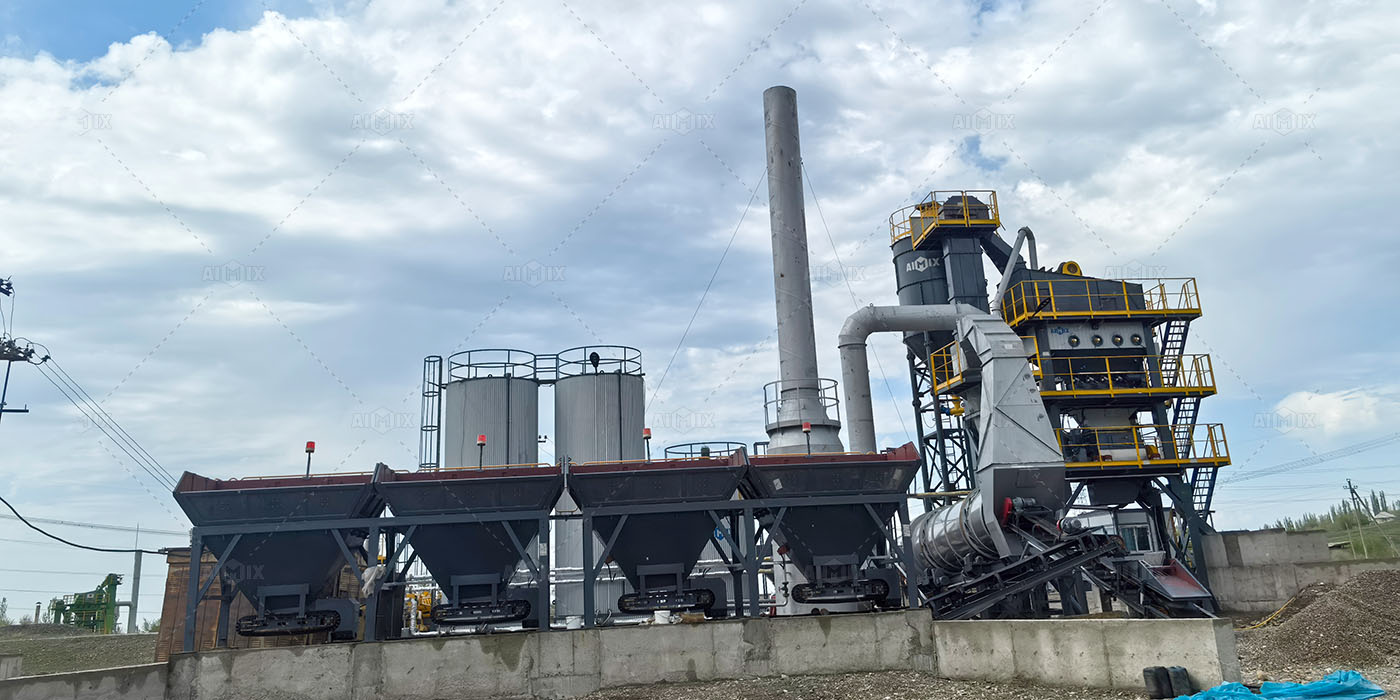
Suppose a contractor expects to place 100,000 tons of asphalt during a project season. If the plant produces an average of 70 tons per hour, the theoretical production time would be around 1,429 effective production hours.
That does not mean the plant should run 1,429 continuous hours. The contractor must also account for maintenance, setup, mix changes, truck loading, material handling, weather, and project interruptions.
The calculation therefore needs to start with project demand rather than plant capacity.
A Practical Demand Formula
Contractors can use the following simple planning method:
Annual Asphalt Demand = Project Asphalt Volume × Expected Number Of Projects
Then compare the result with:
Practical Annual Plant Capacity = Effective TPH × Production Hours × Working Days × Utilization Rate
This approach provides a more realistic investment picture.
For example, a contractor who only has occasional small projects may struggle to keep a 100 TPH plant busy. In contrast, a contractor with several road contracts can spread fixed costs across more production.
What Costs Should Nigerian Contractors Calculate?
Profitability depends on the full operating cost, not only the purchase price of the plant.
Before ordering equipment, contractors should prepare a complete cost model. They should also compare several equipment configurations rather than focusing only on the initial quotation.
| Cost Category | What To Check | Why It Matters |
|---|---|---|
| Plant investment | Plant, components, installation and commissioning | Determines initial capital requirement |
| Fuel | Dryer burner consumption and local fuel cost | Directly affects production cost |
| Aggregates | Quarry distance, material price and quality | Can strongly affect delivered asphalt cost |
| Transportation | Truck fleet, road distance and cycle time | Affects asphalt delivery efficiency |
| Maintenance | Wear parts, filters, belts and service | Influences uptime and long-term cost |
| Labor | Operators, electricians, mechanics and loaders | Creates recurring operating expenses |
These costs can vary significantly between Nigerian regions. Therefore, contractors should use local quotations instead of relying on a generic online estimate.
How Does Fuel Cost Affect Asphalt Plant Profitability?
Fuel deserves special attention because the drying process requires significant thermal energy.
Aggregate moisture is particularly important. Wetter aggregates require more energy to reach the required temperature.
Therefore, contractors should consider aggregate moisture when comparing different production scenarios.
Burner efficiency also matters. A properly adjusted burner can support more stable heating and reduce unnecessary fuel consumption. At the same time, good insulation and proper dryer operation can help maintain thermal efficiency.
However, contractors should avoid judging a plant only by a claimed fuel-consumption figure. Actual consumption depends on aggregate moisture, fuel type, ambient conditions, mix temperature, production rate, and plant operation.
Where Should A 100 TPH Asphalt Plant Be Located?
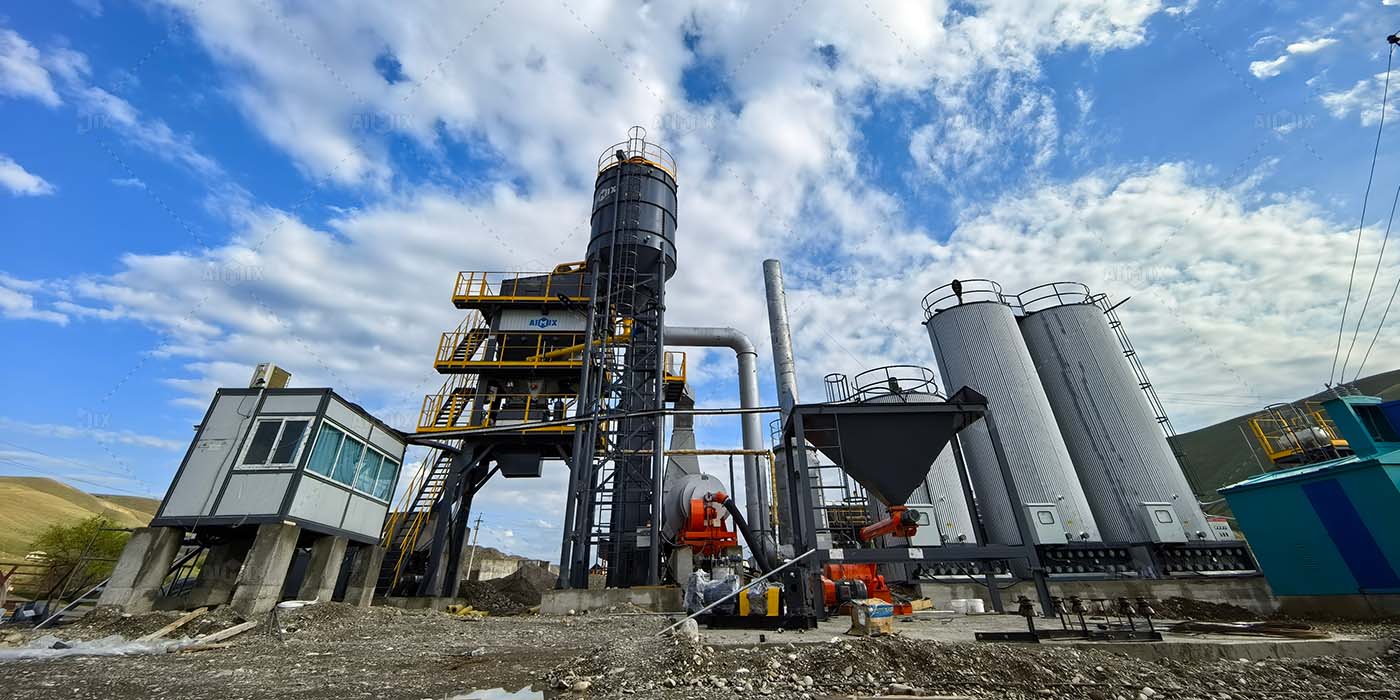
Location can make or break the economics of an asphalt plant.
A plant close to the project can reduce asphalt haulage distance. However, a site too far from aggregate sources can increase raw material costs.
Therefore, contractors should evaluate the entire logistics chain.
Check Aggregate Availability
Aggregates represent a major part of asphalt production. The contractor should identify reliable sources of suitable crushed stone, sand, and mineral filler.
The quality of the aggregate must also match the project’s technical requirements.
Check Project Distance
The plant should ideally serve a practical group of projects rather than only one location.
If the contractor frequently wins projects in different regions, a mobile asphalt plant may provide greater flexibility.
Check Site And Environmental Requirements
The contractor should confirm land availability, access roads, power or fuel supply, drainage, dust control, and local environmental requirements before finalizing the location.
These checks should happen before equipment procurement. Otherwise, site-related delays can reduce the financial return of the investment.
Mobile Or Stationary 100 TPH Asphalt Plant?
The choice between mobile and stationary equipment depends heavily on the contractor’s project pattern.
A stationary plant can make sense when the contractor has a stable production base. It may serve multiple projects within a relatively consistent region.
A mobile plant becomes more attractive when projects move between locations. Contractors working on remote roads may value faster relocation and greater site flexibility.
Nevertheless, mobility does not automatically mean lower total cost. Contractors should compare relocation frequency, transportation requirements, setup time, foundation requirements, and long-term utilization.
The same principle applies when comparing different tarmac asphalt plants. The right choice depends on project demand, required mix quality, operating conditions, and expected utilization rather than the equipment name alone.
What Production Features Should Buyers Prioritize?
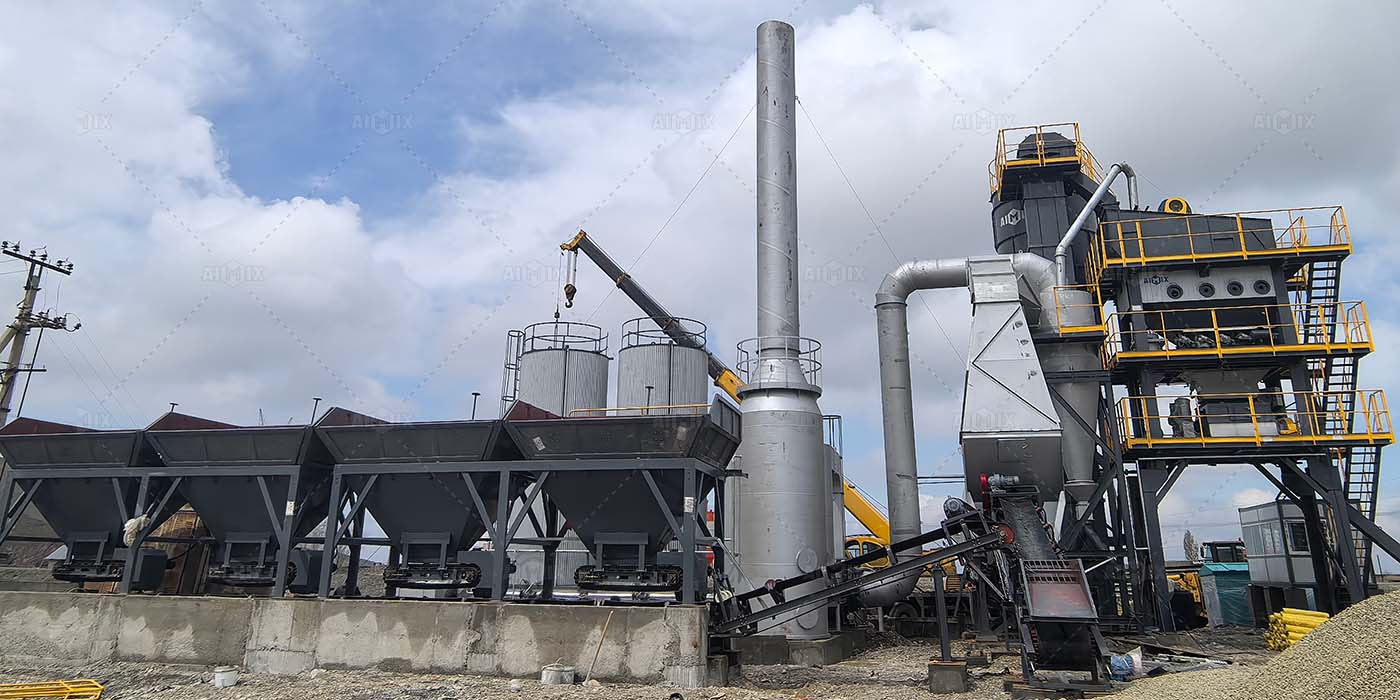
For a Nigerian contractor, useful features should support reliability, maintenance, energy efficiency, and stable asphalt quality.
Accurate Aggregate Dosing
Accurate cold aggregate feeding supports consistent mix proportions. This matters because asphalt quality depends on controlled material ratios.
Reliable Drying And Heating
The dryer and burner should provide stable heating across different production conditions. Contractors should also consider local fuel availability when selecting the burner configuration.
Effective Dust Control
Dust collection is important for plant operation and environmental management. A suitable dust collection system can also help maintain cleaner working conditions around the plant.
Simple Maintenance Access
A plant that is difficult to inspect or maintain can create unnecessary downtime.
Contractors should check access to wear parts, filters, bearings, belts, pumps, burners, and other service points before purchase.
What Can Reduce The ROI Of A 100 TPH Plant?
A 100 TPH plant can be a profitable asset, but several factors can weaken the return.
Low Plant Utilization
This is one of the biggest risks.
If the plant only operates for a small number of hours each month, depreciation, land, labor, maintenance, and financing costs still continue.
Unstable Project Pipeline
Contractors should not base the investment only on one potential project unless the project contract and production requirements are sufficiently clear.
Poor Logistics Planning
A plant may have excellent production capacity but still deliver weak returns if aggregate trucks, asphalt trucks, loaders, and paving equipment are poorly coordinated.
Insufficient After-Sales Support
Unexpected downtime can become expensive during peak paving periods.
Therefore, buyers should evaluate technical support, spare parts availability, installation, commissioning, operator training, and troubleshooting support before choosing an asphalt plant supplier.
How Can Contractors Improve The Investment Return?
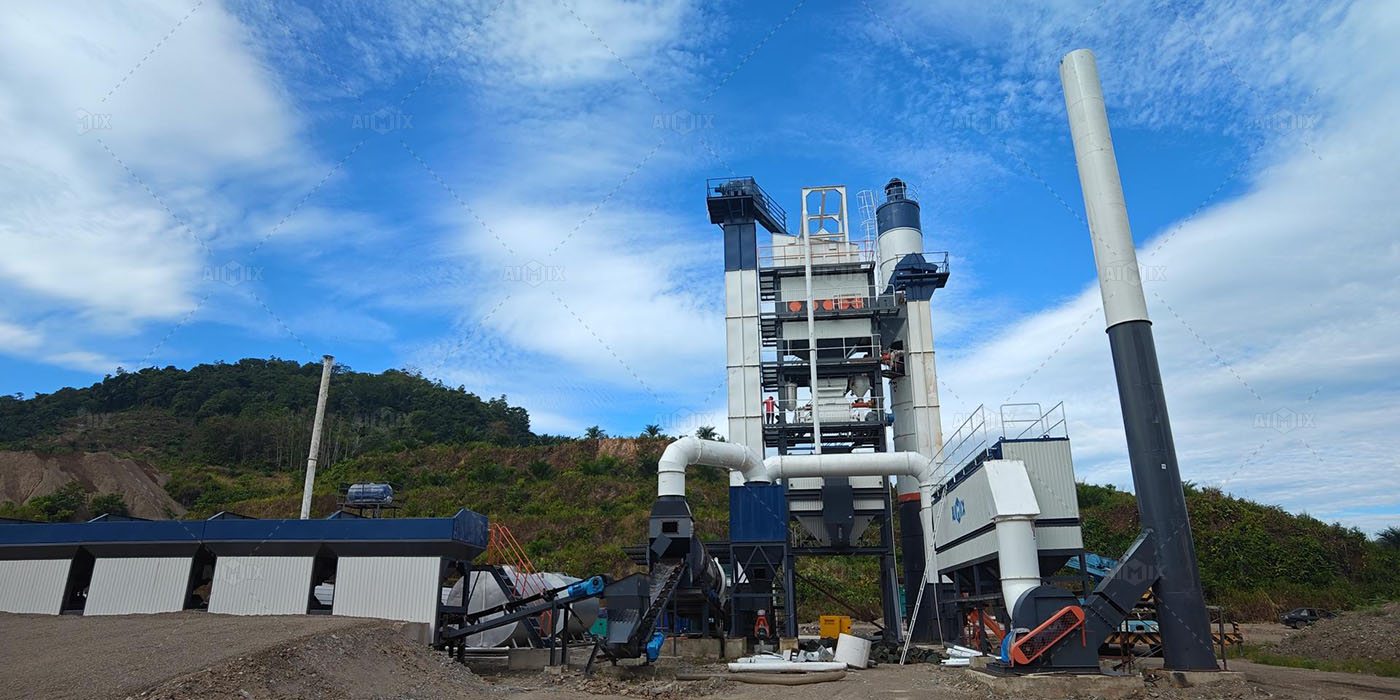
The best strategy is to treat the asphalt plant as part of a complete road construction system.
Secure Projects Before Scaling Production
Whenever possible, contractors should map their expected asphalt demand before purchasing the equipment.
Look at current contracts, likely tenders, repeat customers, and projects within the plant’s practical service area.
Use The Plant Across Multiple Projects
A contractor can improve utilization by serving several road projects instead of depending on one contract.
This approach spreads fixed equipment costs across a larger production volume.
Coordinate Asphalt Production With Paving
Production should follow the actual paving schedule.
The goal is not simply to maximize tons per hour. The goal is to maintain a balanced flow from aggregate feeding to mixing, truck loading, transportation, paving, and compaction.
Maintain Critical Spare Parts
Keeping critical wear parts and service components available can reduce unexpected downtime.
This becomes especially important when the plant operates far from major equipment service centers.
When Is A 100 TPH Asphalt Plant A Good Investment?
A 100 TPH asphalt plant is more likely to be profitable when several conditions are present.
The contractor has regular road construction or rehabilitation projects. The expected asphalt demand can support frequent plant operation. Suitable aggregates are available at a reasonable distance. The site has practical access for raw materials and finished asphalt. The contractor can coordinate enough trucks and paving equipment. Finally, the supplier can provide installation, commissioning, training, spare parts, and technical support.
In contrast, buying a 100 TPH plant only because the capacity looks attractive can create unnecessary financial pressure.
Therefore, the correct decision is not simply “100 TPH is profitable.” The better conclusion is that a 100 TPH asphalt plant can be profitable for Nigerian road contractors when project demand, logistics, utilization, and operating costs support the investment.
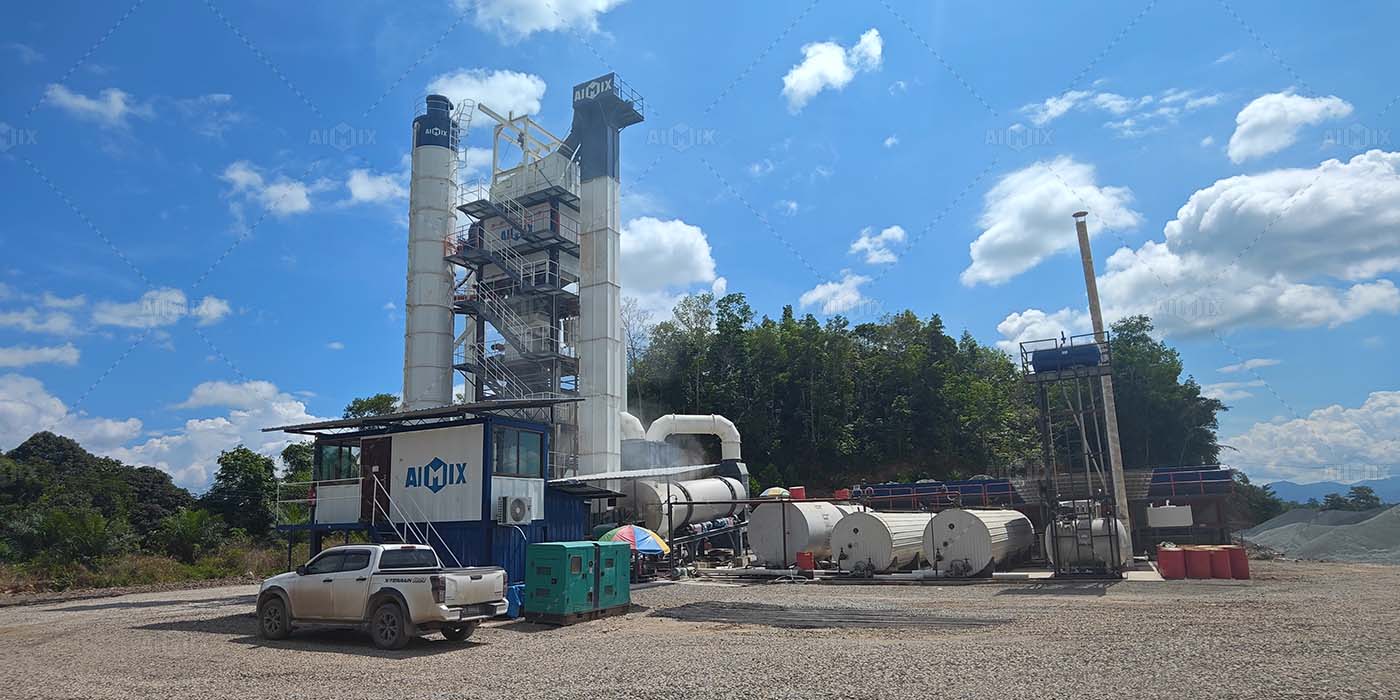
How Should Nigerian Contractors Evaluate The Payback?
Contractors should build a project-specific cash-flow model before purchasing.
Start with the expected annual asphalt production. Then estimate the cost of aggregates, fuel, labor, maintenance, transportation, electricity, financing, and site operation.
Next, compare the internal production cost with the delivered price of externally purchased asphalt.
The potential saving per ton can then be estimated as:
Potential Saving Per Ton = External Delivered Asphalt Cost − Internal Production Cost
The annual operating benefit can then be approximated by multiplying the saving per ton by the actual annual production volume.
However, this is only a preliminary model. Taxes, financing costs, depreciation, installation expenses, downtime, and unexpected repairs can change the final result.
For that reason, contractors should prepare conservative, normal, and high-utilization scenarios before making the final investment decision.
What Should You Ask An Asphalt Plant Supplier?
Before requesting a quotation, Nigerian contractors should prepare project information. This helps the supplier recommend equipment based on real operating conditions instead of simply offering a standard machine.
Important information includes expected asphalt demand, project locations, aggregate types, aggregate moisture, preferred fuel, required asphalt mix types, available land, power conditions, expected operating hours, and planned project duration.
Contractors should also ask about installation, commissioning, operator training, spare parts, warranty coverage, remote technical support, and local service capability.
A supplier that understands the complete project should be able to discuss production capacity, configuration, logistics, and operating conditions together.
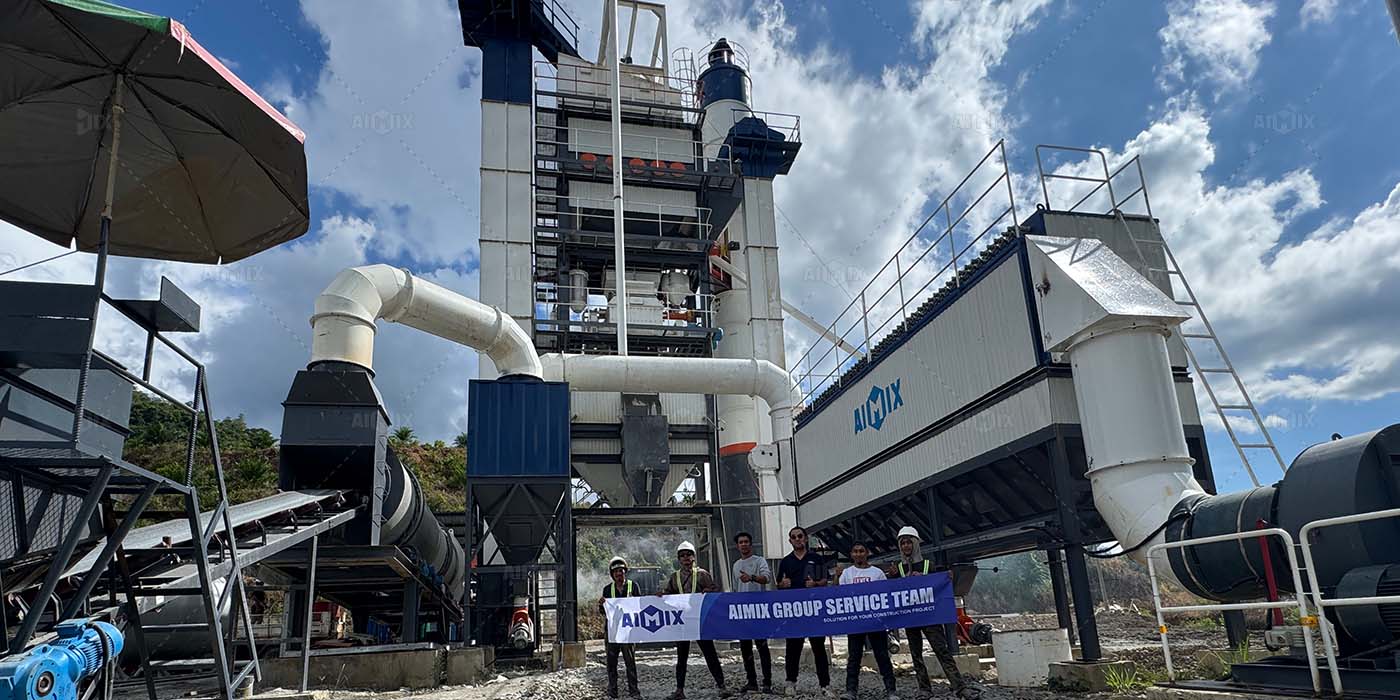
Final Verdict: Is 100 TPH Profitable For Nigerian Road Contractors?
For many Nigerian contractors, 100 TPH represents a practical middle-range production capacity. It can support road rehabilitation, urban road construction, industrial roads, highway sections, and other asphalt-intensive projects.
Its profitability, however, depends on utilization rather than capacity alone.
If a contractor has consistent projects, reasonable aggregate supply, efficient truck logistics, suitable plant positioning, and effective equipment management, a 100 TPH asphalt plant can reduce dependence on external suppliers and improve production control.
On the other hand, low utilization or poor logistics can turn a productive asphalt plant into an underused capital asset.
Therefore, Nigerian contractors should evaluate the investment from the project backward. Start with annual asphalt demand. Then calculate practical production hours, logistics costs, operating expenses, and expected savings. Finally, compare these figures with the total investment.
If you are considering a 100 TPH asphalt plant for a Nigerian road project, AIMIX can help you evaluate the required capacity, plant configuration, site conditions, and production plan. Share your project location, expected asphalt volume, aggregate source, fuel preference, and project schedule. A project-specific solution can then give you a clearer picture of production costs and potential investment returns before you commit capital.