Matching asphalt plants with complementary equipment requires analyzing production rates, thermal dynamics, and operational constraints rather than simply selecting the largest available units. When evaluating asphalt plant suppliers for highway projects with frequent mix changes, the critical factor is ensuring burner capacity aligns with mixing cycle times and paving speed without creating bottlenecks or idle equipment. This synchronization prevents costly downtime, reduces material waste, and optimizes fuel consumption across your entire production chain. The key lies in calculating actual throughput demands based on paving schedules, then working backward to specify appropriate burner output and mixing intervals. Understanding these relationships transforms equipment selection from a purchasing decision into a strategic operational advantage.
Evaluating Burner Capacity Against Paving Speed Requirements
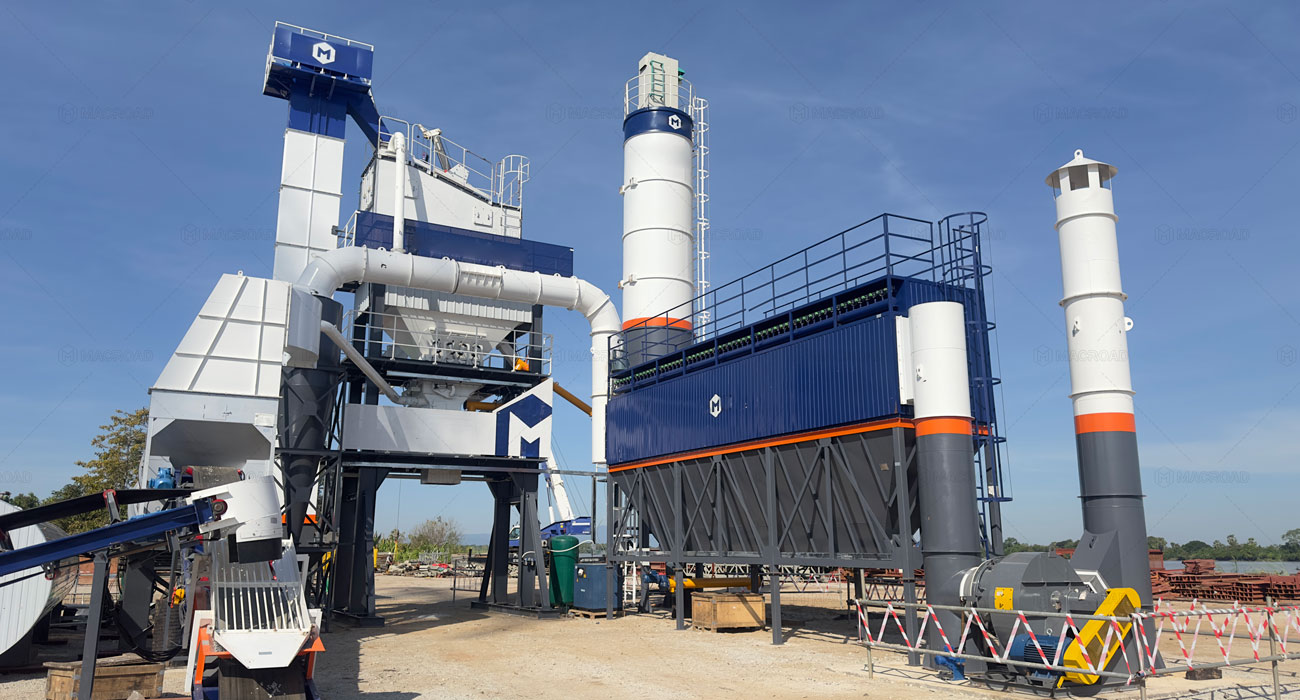
The burner capacity of your asphalt plants directly determines how quickly aggregate can reach optimal temperature for mixing. When asphalt plant suppliers quote burner specifications, they typically reference maximum output, but highway projects with frequent mix changes operate differently than continuous production facilities. Your actual burner demand depends on paving speed multiplied by mix design weight, not theoretical maximums. If your asphalt paver operates at 300 tons per hour, and your mix design weighs 2,400 pounds per ton, your burner must heat sufficient aggregate to sustain this rate while accommodating the thermal lag inherent in heating cycles. Undersizing the burner creates queuing in cold feed bins; oversizing wastes fuel and complicates temperature control during recipe transitions.
Stabilized soil mixing plant operations add complexity because soil stabilization typically requires lower temperatures than hot mix asphalt, yet both processes compete for burner resources on shared sites. Your asphalt plant suppliers should help you model scenarios where the stabilized soil mixing plant operates during asphalt paver downtime or material transitions. This staggered scheduling prevents simultaneous maximum heating demands. Calculate your peak burner load by identifying the highest concurrent thermal requirement across all three equipment types, then add 15 percent capacity buffer for weather delays and mix adjustments. This approach ensures your asphalt plants maintain consistent output without oversizing equipment that sits idle during soil stabilization cycles.
Synchronizing Mixing Cycles with Paving Schedules
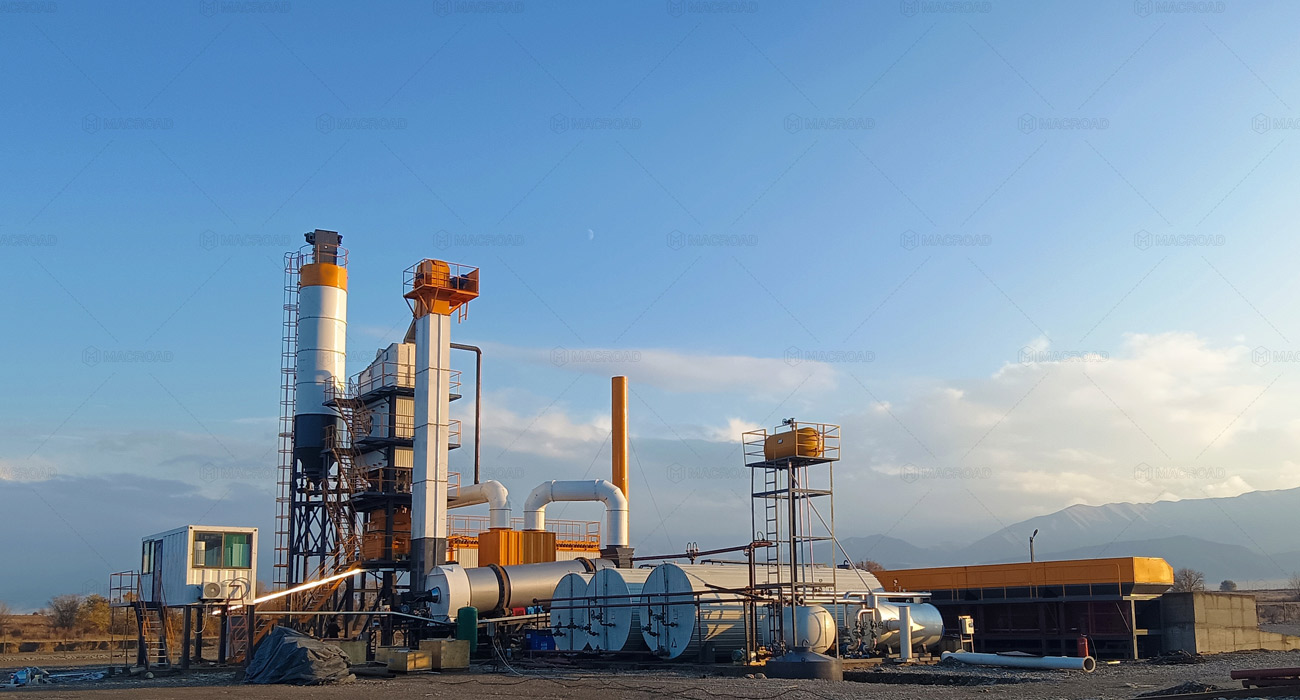
Mixing cycle time represents the interval between batch discharge and the next batch readiness, measured in seconds. When comparing asphalt plant suppliers, request actual cycle times under your specific mix designs, not generic specifications. A mixing cycle of 45 seconds differs fundamentally from 60 seconds when calculating daily production; over eight hours, that 15-second difference represents nearly 500 additional tons of material. Your asphalt paver speed determines the acceptable mixing cycle window. If your paver processes material at 300 tons hourly, it requires 12 tons per minute, or one batch every five seconds if batches weigh 60 tons. Your asphalt plants must discharge batches faster than your paver consumes them, creating a buffer that accommodates paving speed variations and temporary stoppages.
The stabilized soil mixing plant introduces timing complexity because soil stabilization batches often require longer dwell times for cement hydration or moisture equilibration compared to asphalt mixing. Coordinate with asphalt plant suppliers to understand how their equipment handles recipe transitions when switching between asphalt and soil stabilization modes. Some plants require complete discharge and cleaning cycles; others allow rapid transitions. For highway projects with frequent mix changes, specify asphalt plants with modular discharge systems that prevent material carryover between recipes. This capability reduces transition time from minutes to seconds, directly improving your overall production efficiency. Request cycle time data across your full range of anticipated mix designs, not just standard recipes, because unusual mixes often reveal equipment limitations that suppliers downplay.
Matching Equipment Capacity Without Redundant Investment
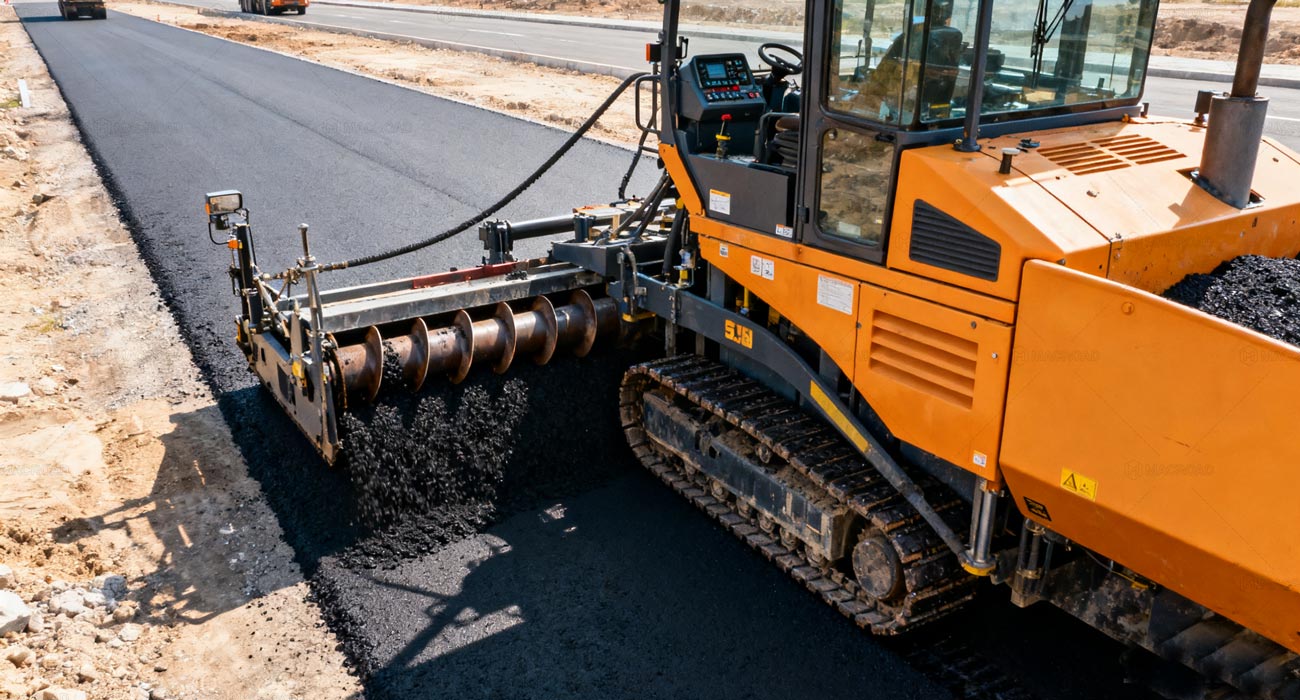
Redundant capacity emerges when equipment specifications exceed actual project demands by more than 20 percent. Many contractors over-specify asphalt plants because they fear production shortfalls, but this strategy increases fuel costs, complicates quality control, and wastes capital on unused capability. Begin by calculating your true production requirement: multiply your paving window duration by your asphalt paver’s rated speed, then add 10 percent for contingency. If you pave 200 hours monthly at 250 tons per hour, you need 55,000 tons monthly production capacity, not 75,000. Asphalt plant suppliers often recommend oversized equipment assuming future growth; resist this pressure unless your contract explicitly includes expansion phases.
The stabilized soil mixing plant should be sized independently based on soil stabilization volume, not as a scaled version of your asphalt plants. Many projects fail because contractors purchase matching equipment sizes assuming they’ll operate similarly; soil stabilization typically represents 20-30 percent of total production volume. Specify your stabilized soil mixing plant capacity accordingly, preventing idle time and unnecessary fuel consumption. When evaluating asphalt plant suppliers, request equipment configurations that share infrastructure like aggregate storage and conveyors while maintaining separate mixing vessels. This approach reduces capital expenditure while preserving operational flexibility. Calculate your three-year total cost of ownership including fuel, maintenance, and labor across all equipment scenarios, then select the configuration that minimizes this total rather than initial purchase price alone.
Conclusion
Synchronizing asphalt plants with stabilized soil mixing equipment and asphalt paver requires disciplined analysis of production rates, thermal requirements, and operational timing rather than selecting the largest available units. Your asphalt plant suppliers should provide detailed cycle time data, burner specifications, and transition capabilities specific to your mix designs and paving schedules. Match burner capacity to actual paving speed demands, synchronize mixing cycles with paver consumption rates, and size your stabilized soil mixing plant independently based on soil stabilization volume. This systematic approach eliminates redundant capacity, reduces fuel waste, and ensures reliable material flow throughout your highway project lifecycle.