Concrete construction plays an important role in agricultural water management across South Australia. Farm dams, irrigation channels, water storage tanks, pump stations, and drainage structures help growers secure water supplies, manage seasonal rainfall, and support livestock and crop production. These structures often involve concrete placement over extended distances, along embankments, within narrow channels, or in areas where conventional concrete delivery vehicles have limited access. Selecting suitable concrete pumping machine can therefore influence construction speed, placement accuracy, and the consistency of the finished structure.
South Australia’s agricultural regions present varied construction conditions. Projects in the Murraylands, Riverland, Barossa Valley, and Eyre Peninsula may involve remote farm properties, uneven terrain, long access roads, and fluctuating water requirements. Some structures require large-volume concrete placement, while others involve narrow sections, reinforced walls, or staged pours. Contractors need to consider pumping distance, concrete mix characteristics, site accessibility, and daily placement volume before choosing equipment. A properly planned pumping arrangement helps coordinate concrete production, transportation, and placement across different agricultural infrastructure projects.
Concrete Pumping Requirements for Farm Dams and Water Storage
Farm Dam Walls, Spillways, and Structural Foundations
Farm dams are important water storage assets for agricultural properties, particularly where seasonal rainfall must be captured and retained for later use. Concrete may be required for spillways, outlet structures, inlet channels, retaining walls, access platforms, and reinforced foundations. These components often have different dimensions and reinforcement arrangements, creating varied concrete placement requirements within the same project.
For reinforced spillways and outlet structures, concrete must be placed around steel reinforcement and into formwork without excessive segregation. A concrete pump can deliver the mix directly to the required location, reducing the need for repeated wheelbarrow movement or extensive manual handling. Where the structure is positioned below access-road level or along an embankment, a suitable pipeline arrangement can help overcome difficult placement conditions.
Water Tanks and Agricultural Storage Facilities
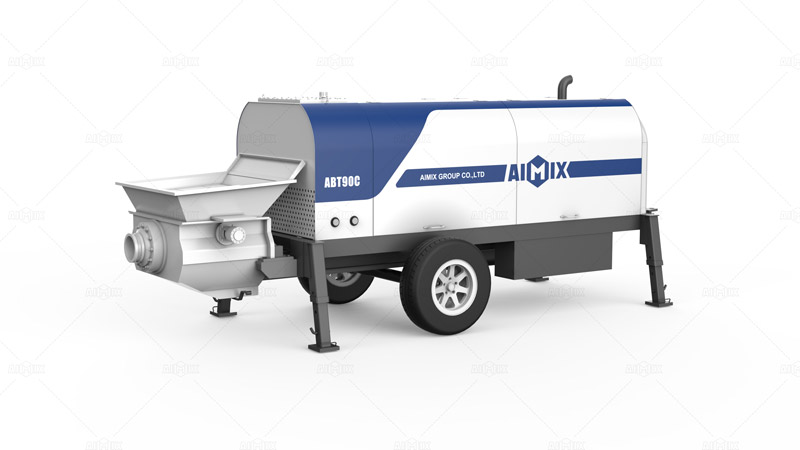
Concrete water tanks, reservoirs, and pump station foundations require careful placement to achieve the specified structural integrity and watertightness. Base slabs, vertical walls, and roof sections may need to be poured in separate stages. Consistent concrete delivery helps maintain an orderly placement sequence and reduces the risk of delays between adjoining sections.
For larger agricultural storage facilities, contractors should calculate the required concrete volume and pouring duration before selecting pumping equipment. Reinforced walls and confined formwork may also require a mix with suitable workability and aggregate grading.
Pumping Concrete for Irrigation Channels and Water Conveyance Systems
Long Channel Sections and Repeated Concrete Placement
Irrigation channels often extend across substantial distances and may pass through uneven agricultural land. Concrete lining is used in some systems to provide a durable water conveyance surface and help control seepage. Construction may involve repeated placement along channel bases, side slopes, transitions, and control structures.
A concrete pump can supply concrete to channel sections where direct truck discharge is impractical. Contractors can position the pump at an accessible point and extend delivery pipelines along the working area. This arrangement is particularly useful when channel geometry or surrounding terrain restricts the movement of concrete mixer trucks.
Small Irrigation Structures and Confined Work Areas
Water control gates, culverts, diversion structures, and small distribution channels frequently involve narrow construction zones. Reinforcement, embedded components, and formwork can further restrict access.
In these conditions, pipeline pumping offers more precise concrete delivery than conventional direct discharge. The pump operator and placement crew must coordinate the delivery rate with concrete spreading, vibration, and finishing operations to prevent congestion within the formwork.
Choosing Between Trailer Pumps and Stationary Concrete Pumps
Trailer Concrete Pumps for Multiple Agricultural Work Sites
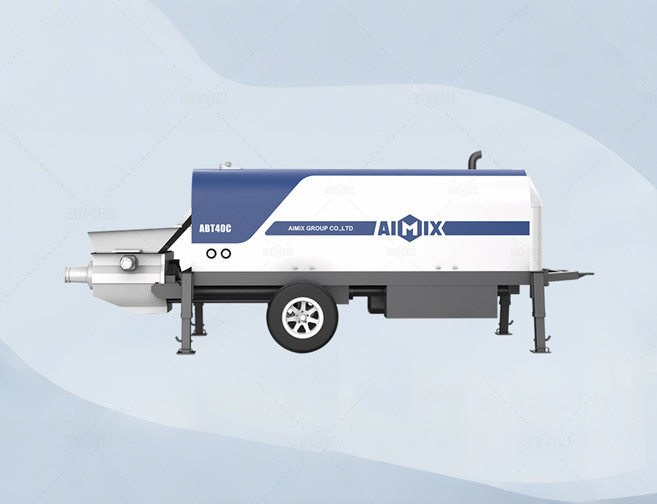
Trailer-mounted pumps are suitable for contractors who undertake different types of agricultural construction across several properties. Their towable configuration allows transportation between farm dams, irrigation channels, tank foundations, and other concrete structures.
A trailer concrete pump for sale in Australia may be worth considering when projects require flexible deployment, moderate-to-high pumping output, and pipeline delivery rather than a permanently installed pumping system. Depending on the model, trailer pumps can use diesel or electric power and can be configured for different pumping capacities.
Their suitability depends on the required pumping distance, concrete specifications, and availability of a stable location for pump setup. Contractors should also plan pipeline support and cleaning access before beginning a pour.
Stationary Pumps for Extended Pipeline Pumping
Stationary concrete pumps are designed to remain in a selected operating position while concrete is conveyed through connected delivery pipes. They can be useful for larger water storage structures, extended irrigation works, and projects involving long horizontal or vertical pumping distances.
A stationary concrete pump for sale in Australia may suit contractors who regularly handle substantial concrete volumes or require a dedicated pumping setup for infrastructure construction. The pump can be positioned near the concrete supply area while pipelines reach foundations, retaining structures, or other remote placement points.
For contractors working across agricultural regions, a stationary concrete pump in Australia should be selected according to actual pipeline length, elevation changes, concrete mix design, and expected daily output rather than rated capacity alone.
Key Factors Affecting Concrete Pump Selection
Pumping Distance, Elevation, and Pipeline Layout
The distance between the pump and the placement point directly affects pumping resistance. Long pipelines, multiple bends, changes in elevation, and narrow pipe sections can increase pressure requirements. Contractors should calculate both horizontal and vertical delivery distances and consult the equipment supplier about the appropriate configuration.
For farm dam construction, pipelines may need to run down embankments or across uneven ground. Irrigation channel projects may require long horizontal arrangements. Proper pipeline support, secure couplings, and suitable access for inspection are essential for safe operation.
Concrete Mix Design and Aggregate Size
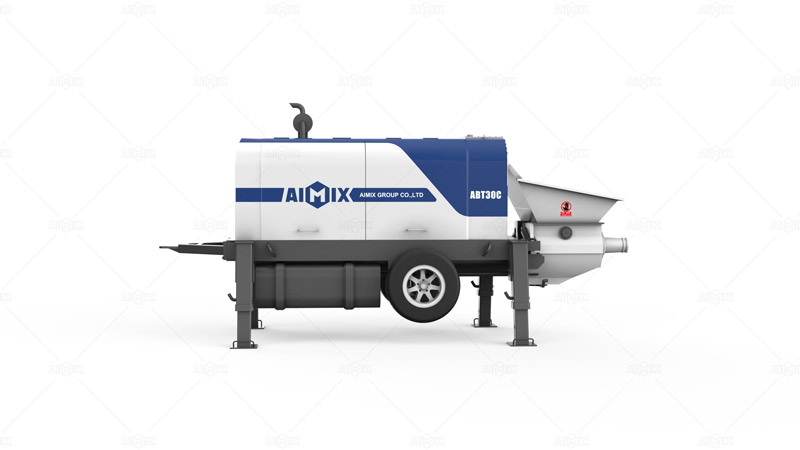
Not every concrete mix is suitable for every pump. Aggregate size, grading, cement content, water-to-cement ratio, and workability influence pumpability. Mixes containing unsuitable aggregate proportions or insufficient mortar content may increase the risk of blockage.
Before pumping, contractors should confirm that the mix design meets both structural requirements and the concrete pump manufacturer‘s recommendations. Trial pumping can help verify concrete consistency and pipeline performance, particularly for long-distance delivery.
Coordinating Concrete Production and Pumping on Remote Farms
Plan Concrete Supply Around Pumping Capacity
Remote agricultural projects may be located far from commercial ready-mixed concrete suppliers. Contractors should assess whether concrete will be supplied by mixer trucks, produced by an on-site batching plant, or delivered through another arrangement.
The concrete supply rate should be coordinated with the pump’s practical output and the placement crew’s working speed. If supply is too slow, pumping operations may be interrupted. If delivery exceeds placement capacity, concrete can accumulate and create unnecessary handling pressure.
Prepare the Site and Pipeline Before Pouring
Before pumping begins, the crew should inspect the access route, establish a stable pump position, assemble and secure the pipeline, and confirm that the discharge point is ready. Adequate water and cleaning equipment should be available for the end-of-pour procedure.
Agricultural sites may have limited access to maintenance facilities and replacement components. Keeping essential wear parts, seals, and pipeline couplings available can help reduce downtime during extended projects.
Practical Considerations for Purchasing Concrete Pumps in Australia
Compare Pump Capacity with Actual Project Requirements
When evaluating a concrete pump for sale in Australia, contractors should compare rated output, maximum aggregate size, pumping pressure, delivery distance, power configuration, and pipeline diameter. The required capacity should reflect the largest expected pour and the practical concrete supply rate.
A pump selected for small irrigation structures may not provide sufficient output for large dam spillways or extensive reinforced storage facilities. Conversely, an oversized machine can increase purchase and operating costs without delivering meaningful productivity improvements on smaller jobs.
Consider Maintenance, Spare Parts, and Supplier Support
Concrete pumps operate under demanding conditions. Regular inspection of delivery cylinders, wear plates, cutting rings, hydraulic components, and pipeline connections is important for maintaining reliable performance.
For contractors working across South Australia’s agricultural regions, access to technical assistance and replacement parts can be particularly important when projects are located far from major service centres. Before purchasing, buyers should confirm warranty coverage, spare-parts availability, operator training, and after-sales support.
Conclusion
Concrete pumping supports the construction of farm dams, irrigation channels, water tanks, spillways, and other agricultural water infrastructure across South Australia. Trailer-mounted pumps offer flexibility for contractors moving between different properties, while stationary concrete pumps can suit extended pipeline operations and larger concrete placement requirements.
The most appropriate equipment depends on concrete volume, pumping distance, site accessibility, mix characteristics, and project scheduling. By evaluating these factors before purchasing, agricultural contractors can establish a more dependable concrete placement system and support the long-term development of water storage and irrigation infrastructure.