Road construction projects across Latin America require a consistent supply of high-quality aggregates, from coarse crushed stone for road bases to precisely graded materials for asphalt production. For contractors and quarry operators, establishing an efficient aggregate plant close to the construction site can significantly reduce transportation costs and improve material availability.
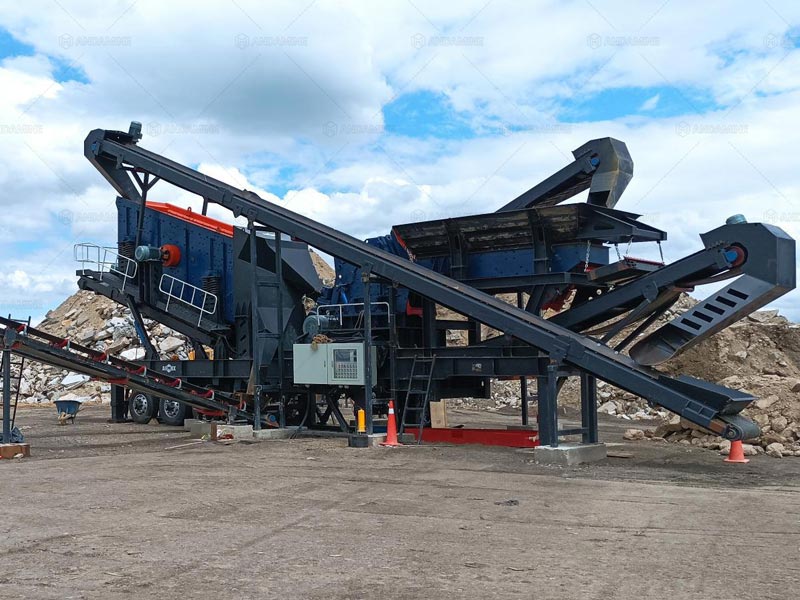
This case study explores how a stone crushing plant can be configured to support road construction projects in Latin America, focusing on equipment selection, production processes, site conditions, and operational efficiency. It also examines how an impact crusher and mobile stone crusher can help operators adapt to different aggregate production(planta de agregados) requirements.
Project Background: Aggregate Demand for Road Construction
In many Latin American regions, road infrastructure projects face challenges beyond construction itself. Mountainous terrain, long transportation distances, seasonal rainfall, and limited access to established quarries can all affect aggregate supply. These conditions make local crushing operations an important part of project planning.
Key Project Requirements
For a typical road construction project, the aggregate production system needs to meet several requirements:
- Stable production capacity: Supply sufficient aggregates to support continuous road construction without interrupting downstream operations.
- Multiple aggregate sizes: Produce different fractions for road subbase, base course, asphalt mixtures, and drainage applications.
- Adaptability to raw materials: Process locally available rocks, such as granite, basalt, limestone, and other suitable materials.
- Controlled operating costs: Reduce unnecessary material transportation, energy consumption, and equipment downtime.
- Flexible site configuration: Adapt the crushing plant layout to available land, transportation access, and project duration.
These requirements determine the equipment combination and production capacity needed for an aggregate plant serving road construction.
Crushing Plant Configuration and Equipment Selection
A practical crushing solution should be designed around the characteristics of the raw material and the required finished aggregate specifications. Rather than selecting individual machines based only on their rated capacity, operators need to consider how each stage works together.
Primary Crushing: Reducing Large Rocks
The primary crushing stage handles large raw materials delivered by dump trucks or excavators. A vibrating feeder regulates the flow of rocks into a jaw crusher, which reduces oversized materials into a suitable size for secondary processing.
For hard and abrasive materials, a jaw crusher is commonly selected because of its robust structure and ability to handle large feed sizes. Stable feeding also helps prevent equipment overload and maintains a consistent material flow throughout the crushing plant.
Secondary Crushing: Improving Aggregate Quality
After primary crushing, materials enter the secondary crushing stage. An impact crusher(trituradora de impacto) can be selected when the application requires well-shaped aggregates and a relatively high proportion of cubic particles.
For limestone and other materials with suitable crushing characteristics, an impact crusher can provide effective size reduction while improving particle shape. However, for highly abrasive rocks such as certain types of granite and basalt, a cone crusher may offer better wear resistance and operating economics.
The final equipment selection should therefore consider rock hardness, abrasiveness, feed size, and the required aggregate specifications.
Screening: Producing Different Aggregate Sizes
Vibrating screens separate crushed materials into different size fractions. For example, a road construction aggregate plant may produce:
| Aggregate Size | Typical Application |
|---|---|
| 0–5 mm | Fine aggregate and selected asphalt mixtures |
| 5–10 mm | Asphalt concrete and fine aggregate applications |
| 10–20 mm | Concrete and asphalt mixtures |
| 20–31.5 mm | Road base and structural applications |
| 31.5–40 mm | Selected subbase and drainage applications |
These sizes are illustrative rather than universal specifications. Actual grading requirements depend on local road construction standards and project engineering documents.
Why a Mobile Stone Crusher Can Benefit Road Projects
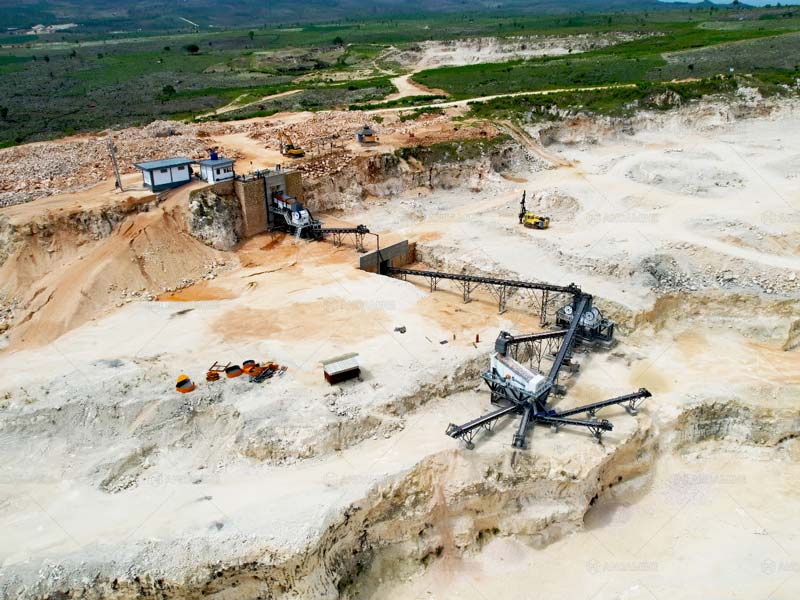
Not every road construction project has access to a permanent quarry or a conveniently located aggregate production facility. In remote areas, transporting raw materials over long distances can increase fuel expenses, delivery times, and overall construction costs.
A mobile stone crusher(trituradora de piedra móvil) provides an alternative by bringing crushing equipment closer to the material source or construction site.
Reduced Material Transportation
When suitable rock deposits are available near the construction area, a mobile stone crusher can process materials locally. This reduces the distance between raw material extraction and aggregate production, helping contractors control transportation expenses.
Flexible Equipment Relocation
For highway projects covering multiple sections, the crushing operation may need to move as construction progresses. Mobile crushing equipment can be relocated between suitable working areas, reducing dependence on a single fixed production location.
Faster Project Deployment
Compared with establishing a conventional stationary facility, some mobile crushing configurations require less permanent infrastructure and can simplify site preparation. This is particularly useful for temporary road construction projects and operations in areas with limited construction facilities.
Nevertheless, mobility does not eliminate the need for proper site preparation, equipment installation, access roads, and environmental protection measures.
Adapting Aggregate Production to Latin American Site Conditions
Regional operating conditions have a direct influence on crushing plant performance. A configuration that works efficiently in a flat, easily accessible quarry may require adjustments when installed in mountainous or remote locations.
Mountainous Terrain and High-Altitude Operations
In countries such as Peru, Chile, and Bolivia, road projects may take place at considerable elevations. Equipment transportation, installation, ventilation, and power supply should all be evaluated during project planning.
Operators should also consider whether the available power system can support the combined electrical requirements of feeders, crushers, conveyors, and screening equipment.
Rainfall and Material Moisture
In regions with seasonal heavy rainfall, wet and sticky raw materials can reduce screening efficiency and cause material buildup in transfer points. Appropriate feeder selection, screen configuration, drainage systems, and maintenance access help maintain stable aggregate production.
Dust Control and Environmental Requirements
Crushing operations generate dust during feeding, crushing, screening, and material transfer. Spray systems, enclosed transfer points, dust collection equipment, and properly managed stockpiles can help reduce airborne particles and improve working conditions.
How to Improve Crushing Plant Productivity and Aggregate Quality
Equipment capacity alone does not determine the actual output of an aggregate plant. Production efficiency depends on the coordination of the entire processing system.
Match Equipment Capacity Across Crushing Stages
The primary crusher, secondary crusher, vibrating screen, and belt conveyors should be selected as a coordinated system. If the screening capacity is insufficient, material may accumulate even when the crushers have additional processing capacity.
Optimize the Closed-Circuit Crushing Process
In a closed-circuit configuration, oversized materials from the vibrating screen return to the crusher for further processing. This allows operators to control the final aggregate size more effectively and reduce the amount of unsuitable oversized material.
Monitor Wear Parts and Maintenance Requirements
Crusher liners, blow bars, screen meshes, and conveyor components experience continuous wear. Regular inspections and timely replacement help prevent unexpected shutdowns. For an impact crusher processing abrasive rock, wear-part consumption should be evaluated carefully when calculating long-term operating costs.
Selecting the Right Aggregate Plant for Your Road Construction Project
Before purchasing a crushing plant(planta chancadora), contractors should evaluate the project from both production and financial perspectives. The most suitable configuration is not necessarily the one with the highest rated capacity or the largest number of machines.
Several factors deserve particular attention:
- Raw material: Identify rock type, hardness, abrasiveness, maximum feed size, and moisture content.
- Production target: Determine the required hourly output and estimated total aggregate demand.
- Finished products: Define the number of aggregate fractions and grading specifications.
- Installation conditions: Compare stationary and mobile solutions based on site accessibility and project duration.
- Operating costs: Consider electricity or fuel consumption, wear parts, labor, maintenance, and transportation.
- Future applications: Evaluate whether the equipment can serve additional quarrying or infrastructure projects after the current contract is completed.
For contractors developing road infrastructure in Latin America, a properly configured aggregate plant can become a long-term production asset rather than simply a temporary construction expense. By matching the crushing process to local rock characteristics, project requirements, and site conditions, operators can establish a reliable supply of aggregates for road bases, asphalt production, and other infrastructure applications. AIMIX and its Andamine crushing solutions provide different stationary and mobile crushing configurations to support these requirements, with equipment selection based on the specific production needs of each project.