Starting a sand and aggregate production business requires more than purchasing crushing equipment and establishing a processing site. Long-term profitability depends on securing a reliable raw material supply, understanding regional construction demand, selecting a suitable production capacity, and controlling the cost of delivering finished products. A well-planned sand and aggregate production line connects these factors before major capital is committed. By evaluating the resource, market, equipment configuration, and operating model together, investors can reduce project risks and build a production business that responds to actual customer requirements rather than relying on theoretical output figures.
1. Evaluate Raw Material Access and Supply Reliability
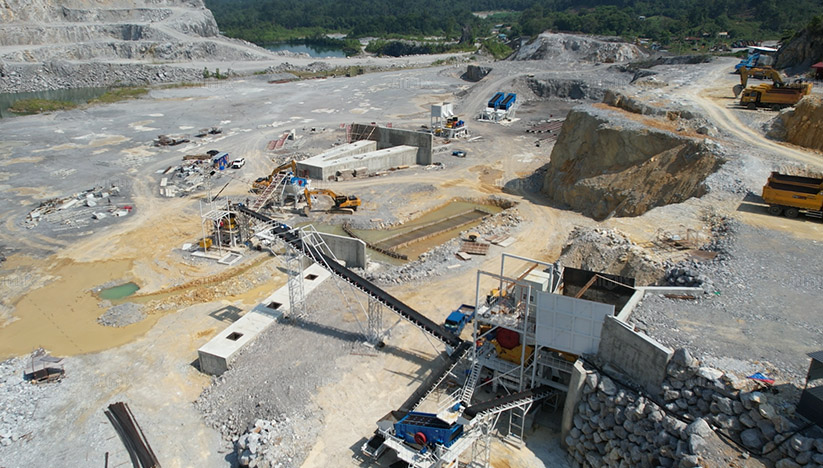
Raw material availability is one of the first factors to investigate. A site may have access to granite, limestone, river gravel, or other suitable materials, but the usable reserve, extraction conditions, and material characteristics will determine whether the resource can support a commercial operation. Investors should examine the estimated quantity of extractable material, consistency of supply, overburden removal requirements, and transportation distance between the extraction area and processing plant.
Material testing is equally important. Different rocks require different crushing strategies, and their properties affect equipment selection, wear-part consumption, energy use, and final product quality. Granite is generally hard and abrasive, while limestone may be easier to crush depending on its strength and structure. River gravel can contain rounded stones, mixed sizes, and varying levels of sand or clay. Representative samples should therefore be tested before selecting a production process.
For a hard-rock project, a granite crusher machine may form part of the primary or secondary crushing circuit, depending on the feed size and target products. A gravel crushing machine may be more appropriate for processing natural gravel into specified aggregate sizes. The objective is to match the equipment to the actual feed material instead of assuming that one configuration will perform equally well with every rock type.
2. Research Local Demand Before Setting Production Capacity
Construction demand determines how much material the business can realistically sell. Potential customers may include ready-mix concrete plants, asphalt producers, road contractors, precast concrete manufacturers, building material distributors, and infrastructure projects. Each customer group may require different aggregate sizes, sand gradations, delivery schedules, and quality standards.
Market research should focus on current consumption, competing suppliers, average delivery distances, seasonal demand changes, and planned construction projects. The existence of major infrastructure projects can indicate an opportunity, but investors should confirm whether the project is active, how long material demand is expected to last, and whether established suppliers already control the market. Interviews with potential customers and contractors can provide more useful information than relying exclusively on broad construction industry forecasts.
It is also important to evaluate the product mix. A plant producing only one aggregate size may struggle to meet the needs of customers who require several gradations. A properly configured production line can produce multiple products through screening and, where appropriate, additional crushing stages. However, the product mix should reflect actual market demand because producing a material that customers do not need can increase stockpiles and tie up working capital.
3. Calculate Realistic Production Capacity
Production capacity should be based on expected sales and actual operating conditions, not solely on the highest equipment rating. A crusher advertised with a particular hourly capacity may achieve a different output depending on feed size, rock hardness, moisture, discharge setting, and the percentage of material that must be recirculated. Screening efficiency and conveyor capacity can also limit the output of the complete line.
Business planners should estimate annual saleable production by accounting for scheduled operating hours, maintenance downtime, material losses, and expected utilization. For example, a plant designed for high hourly output will not necessarily generate strong returns if raw material delivery is inconsistent or local demand cannot absorb the finished aggregates. Conversely, a smaller plant operating consistently and selling most of its production may perform better financially.
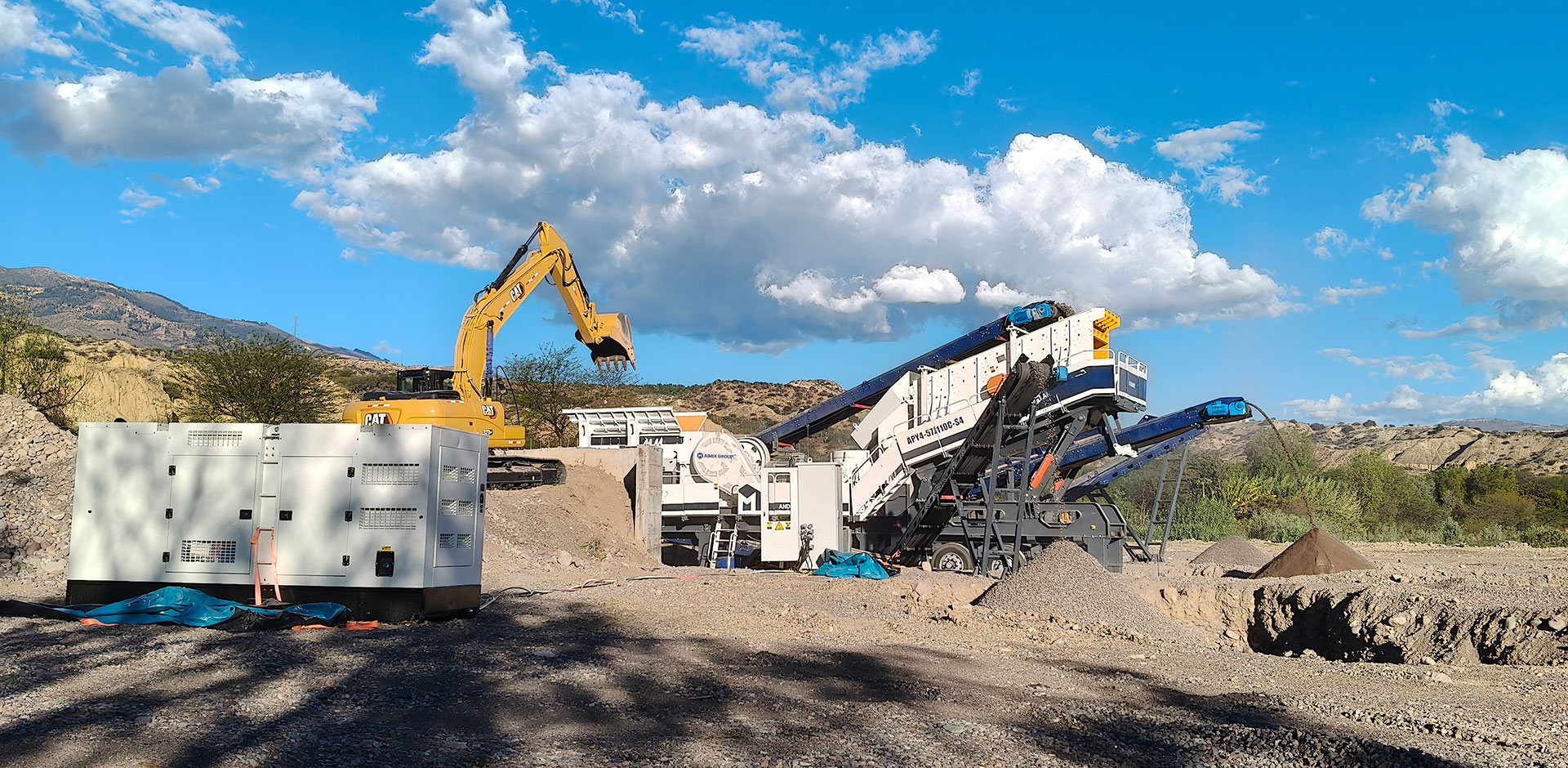
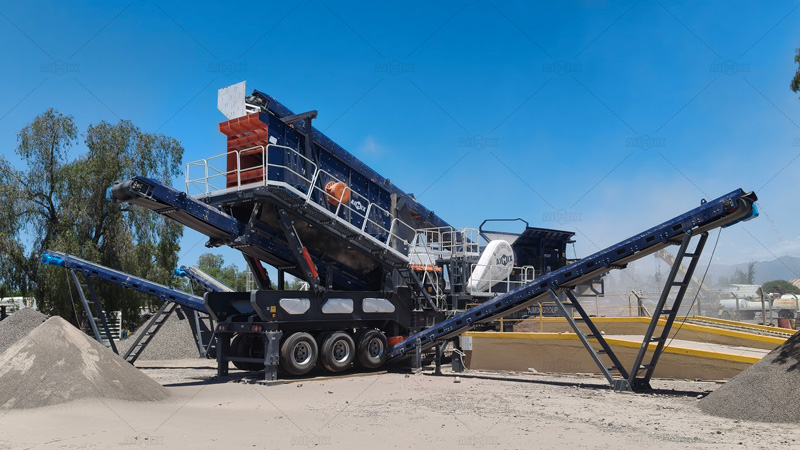
Equipment configuration should follow the capacity target. Depending on the project, aggregate crushing equipment may include a vibrating feeder, jaw crusher, cone crusher or impact crusher, vibrating screens, and belt conveyors. A jaw crusher is commonly used for primary reduction of large rocks, while a cone crusher may be suitable for secondary crushing of hard and abrasive material. An impact crusher may be considered when rock properties and particle-shape requirements support its use. Screening and conveying systems must be sized to handle the material flow without creating bottlenecks.
4. Estimate Investment and Operating Costs
The initial investment includes more than the purchase price of the crushing machines. Land preparation, access roads, foundations, electrical infrastructure, installation, loading equipment, storage areas, and environmental controls can all contribute significantly to the total project cost. The required investment depends on whether the plant is stationary, mobile, or modular, as well as the site’s existing infrastructure.
Operating costs should be estimated per ton of saleable product. Major expenses include electricity or fuel, labor, wear parts, routine maintenance, raw material extraction, water consumption, equipment transportation, and product delivery. A hard-rock operation may experience substantial wear costs, particularly when processing abrasive granite. Equipment selection should therefore consider expected service life and maintenance requirements in addition to purchase price.
Investors should also prepare a working capital budget to cover payroll, spare parts, fuel, and other expenses during periods when customer payments are delayed or demand temporarily declines. A financial model should test different scenarios for selling prices, utilization rates, production costs, and monthly sales. This helps identify the minimum production volume or selling price needed to cover fixed and variable expenses.
5. Plan Product Quality and Logistics Together
Consistent product quality supports repeat orders and long-term customer relationships. The plant should be configured to meet the required particle-size distribution, cleanliness, and particle shape for its target applications. Regular sieve analysis and quality checks can reveal whether crusher settings or screen performance need adjustment. If manufactured sand is part of the product range, additional shaping, washing, or fine material recovery may be necessary depending on feed characteristics and customer specifications.
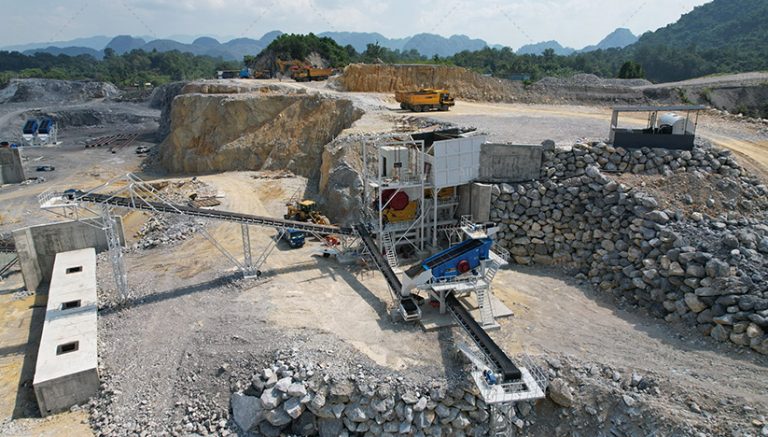
Logistics can determine whether a technically efficient plant is commercially competitive. Aggregates are bulky, relatively low-value materials, so long delivery distances can quickly reduce profit margins. Before choosing a site, compare the cost of transporting raw materials to the plant with the cost of delivering finished products to customers. Consider road access, truck loading capacity, vehicle turnaround time, and potential traffic restrictions. In some markets, locating closer to major construction demand can be more valuable than choosing a site with slightly cheaper raw material.
6. Build a Flexible Long-Term Business Plan
A practical business plan should include a phased development strategy. Investors may begin with the products that have the strongest confirmed demand and expand capacity when sales, raw material supply, and cash flow support further investment. Modular equipment layouts and sufficient space for additional screens or crushing stages can make future upgrades easier.
Before placing an equipment order, compare proposed configurations against material test results, required product sizes, expected saleable output, maintenance access, and total operating costs. Confirm that the supplier can provide technical documentation, installation guidance, operator training, and spare parts appropriate to the project. These considerations help reduce the risk of purchasing equipment that meets a nominal capacity target but fails to deliver the required commercial output.
Conclusion
A successful sand and aggregate production line business begins with reliable raw material access, verified market demand, realistic capacity planning, and a clear understanding of the full project cost. Selecting suitable equipment, whether a granite crusher machine, gravel crushing machine, or a complete aggregate crushing equipment configuration, should follow these business and engineering assessments. A balanced approach helps investors avoid unnecessary capital expenditure, improve product consistency, and match production to customer demand.
Andamine offers crushing and screening equipment solutions for aggregate production projects. For investors planning a new plant or upgrading an existing operation, the Andamine team can help assess raw material conditions, target output, and equipment configuration to develop a solution aligned with the project’s production and business objectives.