When a flood, earthquake, hurricane, landslide, wildfire, or other natural disaster damages a road network, restoring traffic becomes an urgent construction task. Contractors may need to repair damaged pavement, reopen access roads, and reconnect communities within a limited time. However, asphalt supply can quickly become one of the biggest challenges.
Local asphalt suppliers may be far from the damaged area. Some roads may remain blocked. Aggregate transportation may also take longer than normal. At the same time, several contractors may compete for the same asphalt supply. Under these conditions, relying entirely on a commercial asphalt supplier can make the reconstruction schedule difficult to control.
This is why an asphalt mix plant can become an important part of an emergency road reconstruction solution. In many cases, a mobile or compact plant provides a practical balance between production capacity, mobility, and deployment. However, the right choice depends on the actual project rather than simply selecting the largest plant available.
So, what asphalt mixing plant is suitable for emergency road reconstruction after a natural disaster? The answer depends on several factors, including required asphalt volume, project duration, road accessibility, aggregate supply, paving capacity, and whether the equipment needs to move between multiple damaged sites.
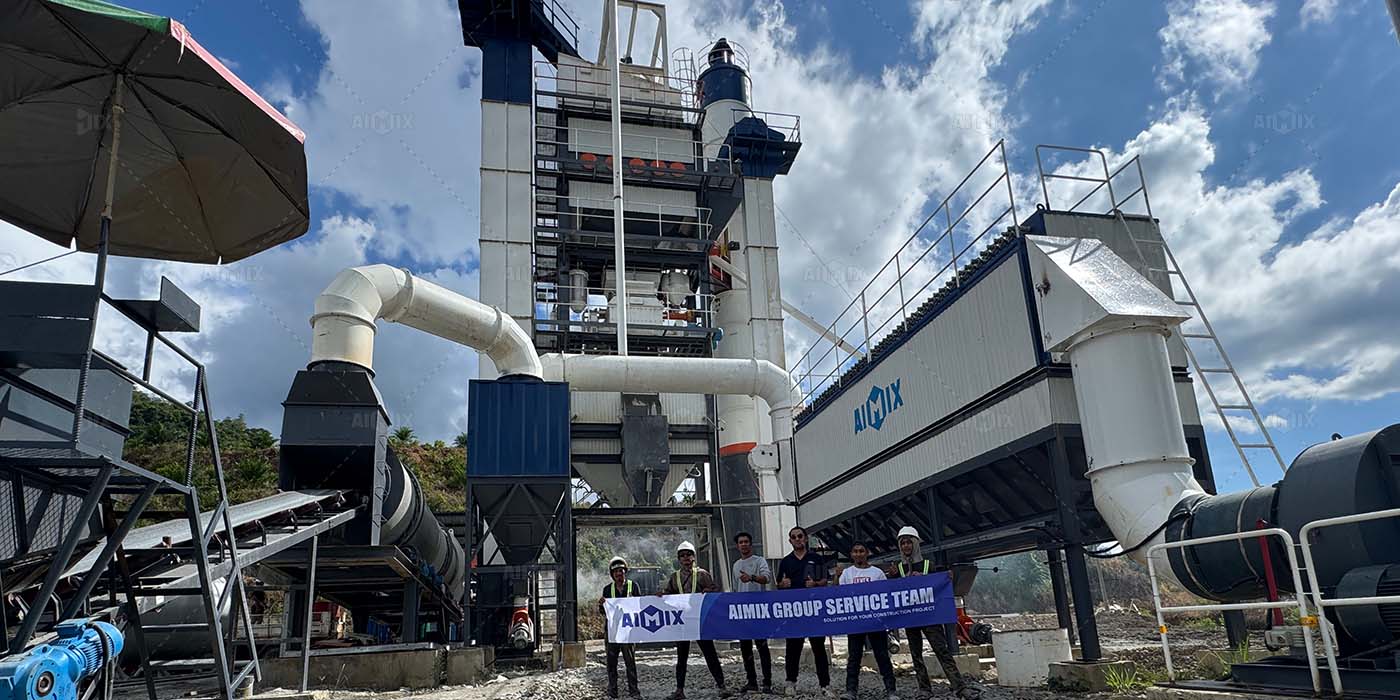
Why Asphalt Supply Becomes Critical After A Natural Disaster
Natural disasters can disrupt the normal construction supply chain at the same time as they increase the demand for road repairs. A contractor may have paving crews and construction machinery ready, but the asphalt supply may still limit actual production.
For example, a flood can damage bridges and make a normal asphalt delivery route unusable. A landslide can isolate a mountain road. An earthquake can damage several sections of a highway at the same time. A hurricane can create emergency repair work across a large geographic area.
As a result, the distance between the asphalt plant and the damaged road becomes more important than it would be on a normal project.
Producing asphalt closer to the reconstruction area can help reduce dependence on long-distance asphalt transportation. It can also give contractors greater control over production scheduling. However, the plant must still have reliable aggregate, bitumen, fuel, power, storage, and transportation conditions.
Therefore, the asphalt plant should not be considered as an isolated machine. It should be planned as part of the entire emergency road construction system.
The Main Challenge Is Not Only Production Capacity
It is easy to assume that a higher-capacity asphalt plant will automatically accelerate road reconstruction. In reality, this is not always the case.
If the paving team can place only 70 tonnes of asphalt per hour, installing a plant with a much higher theoretical output may not improve the overall project speed. The excess production may simply wait for trucks or paving equipment.
Similarly, a highly mobile plant will not solve every problem if the selected site has poor ground conditions or cannot accommodate aggregate stockpiles.
For this reason, contractors should first answer a few practical questions:
- How many tonnes of asphalt are required each day?
- How quickly must the road reopen?
- How far is the nearest reliable commercial asphalt supplier?
- Can asphalt trucks reach the damaged road safely?
- Will the project involve several separate repair locations?
- How long will the reconstruction program continue?
- Are suitable aggregate sources available near the project?
- Is the required asphalt mix specification stable or likely to change?
- Will the asphalt plant remain at one location or move later?
These answers provide a much better foundation for plant selection than capacity alone.
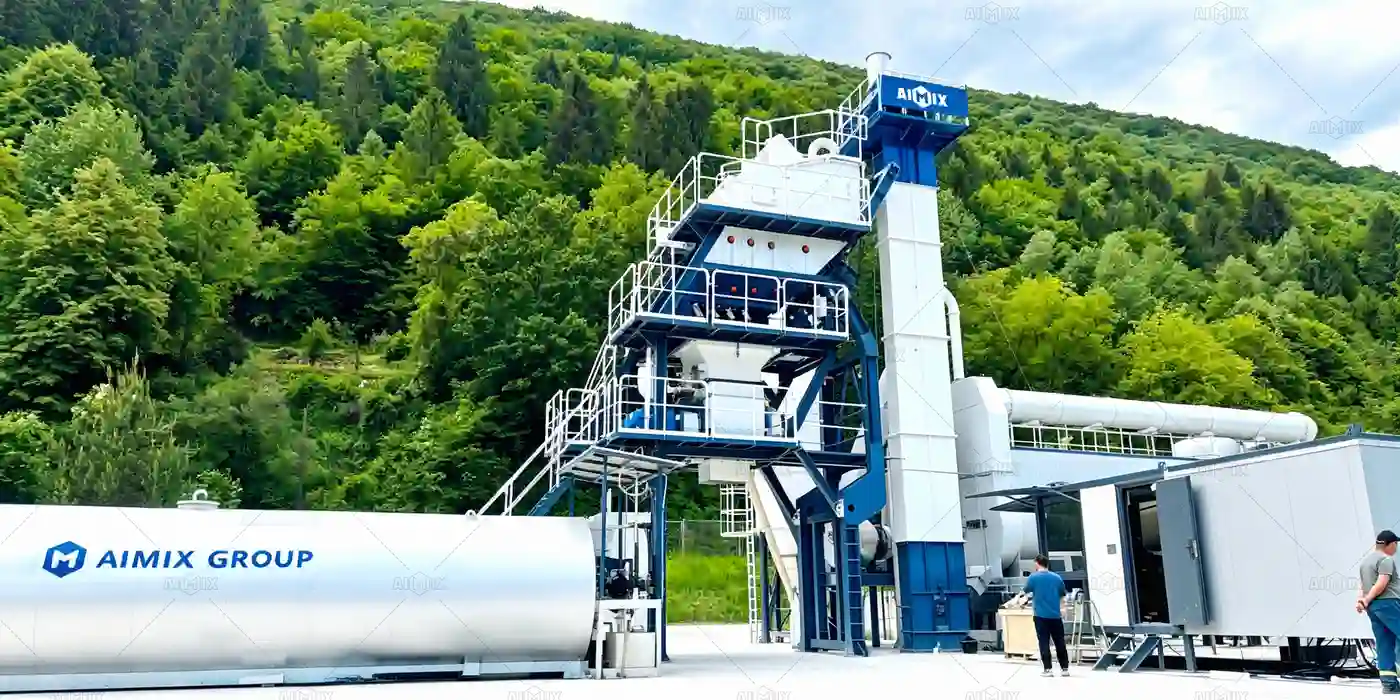
Which Asphalt Mixing Plant Types Are Suitable For Emergency Reconstruction?
Different asphalt mixing plant configurations can support emergency road reconstruction. However, their advantages become different depending on the project environment.
For short-term or geographically dispersed emergency work, mobility is often important. For long-term reconstruction, production efficiency and centralized material management may become more important.
Mobile Asphalt Mixing Plant
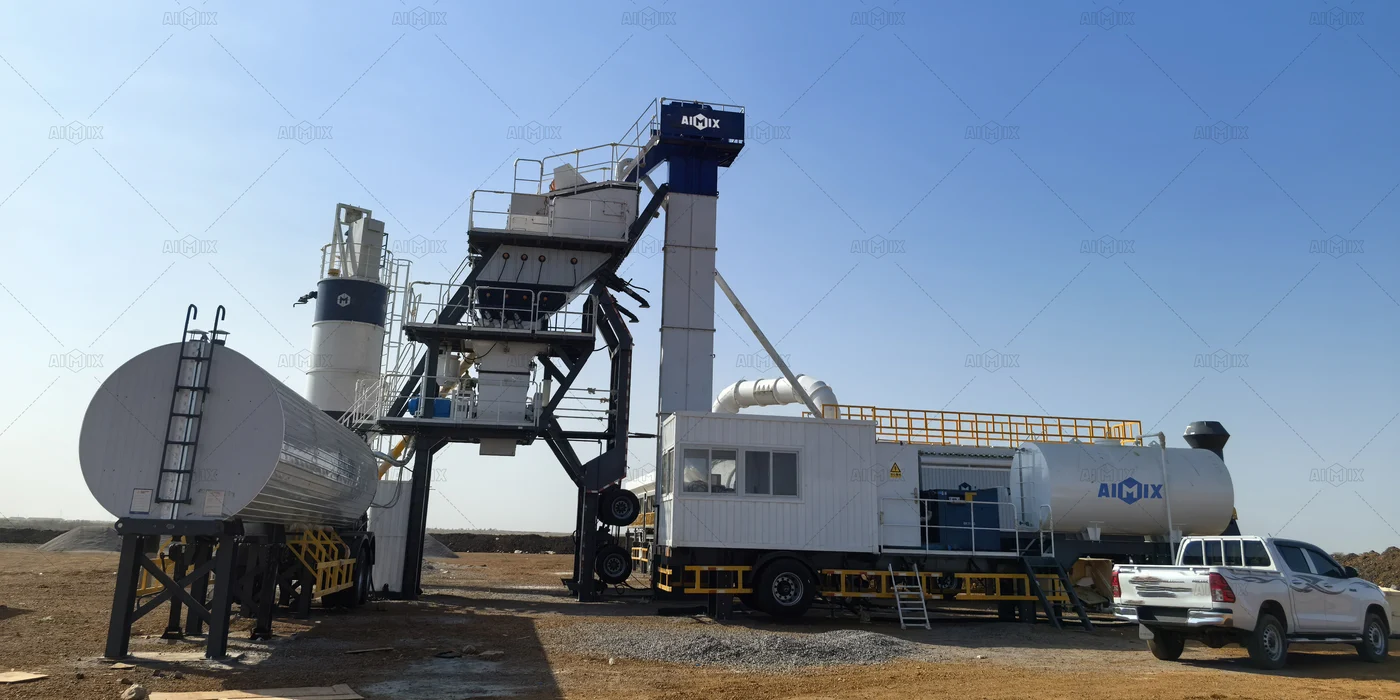
A mobile asphalt mixing plant is often considered when the reconstruction site may change.
This can happen when a contractor receives several emergency road repair contracts in different areas. Instead of building a permanent asphalt production base for every project, the contractor can potentially transport the mobile plant to another suitable location after completing one phase.
Mobility can also reduce the need for long-term site infrastructure. This is particularly useful when the project has a limited duration or when the contractor expects additional emergency work in other regions.
However, mobile does not mean installation-free. The contractor still needs to prepare a suitable working area, arrange material storage, confirm access for transport vehicles, and comply with local environmental and construction requirements.
Mobile Batch Asphalt Plant
A mobile batch asphalt plant can be particularly useful when emergency reconstruction requires flexibility in asphalt mix production.
Batch production allows materials to be proportioned and mixed in controlled batches. Therefore, it can be useful when different road sections require different mix specifications.
For example, a contractor may repair a highway first and then move to a lower-volume local road. The required mix may differ between these applications. Batch production can provide greater flexibility when the production requirements change.
For emergency projects involving several road classes or changing specifications, this flexibility can be valuable.
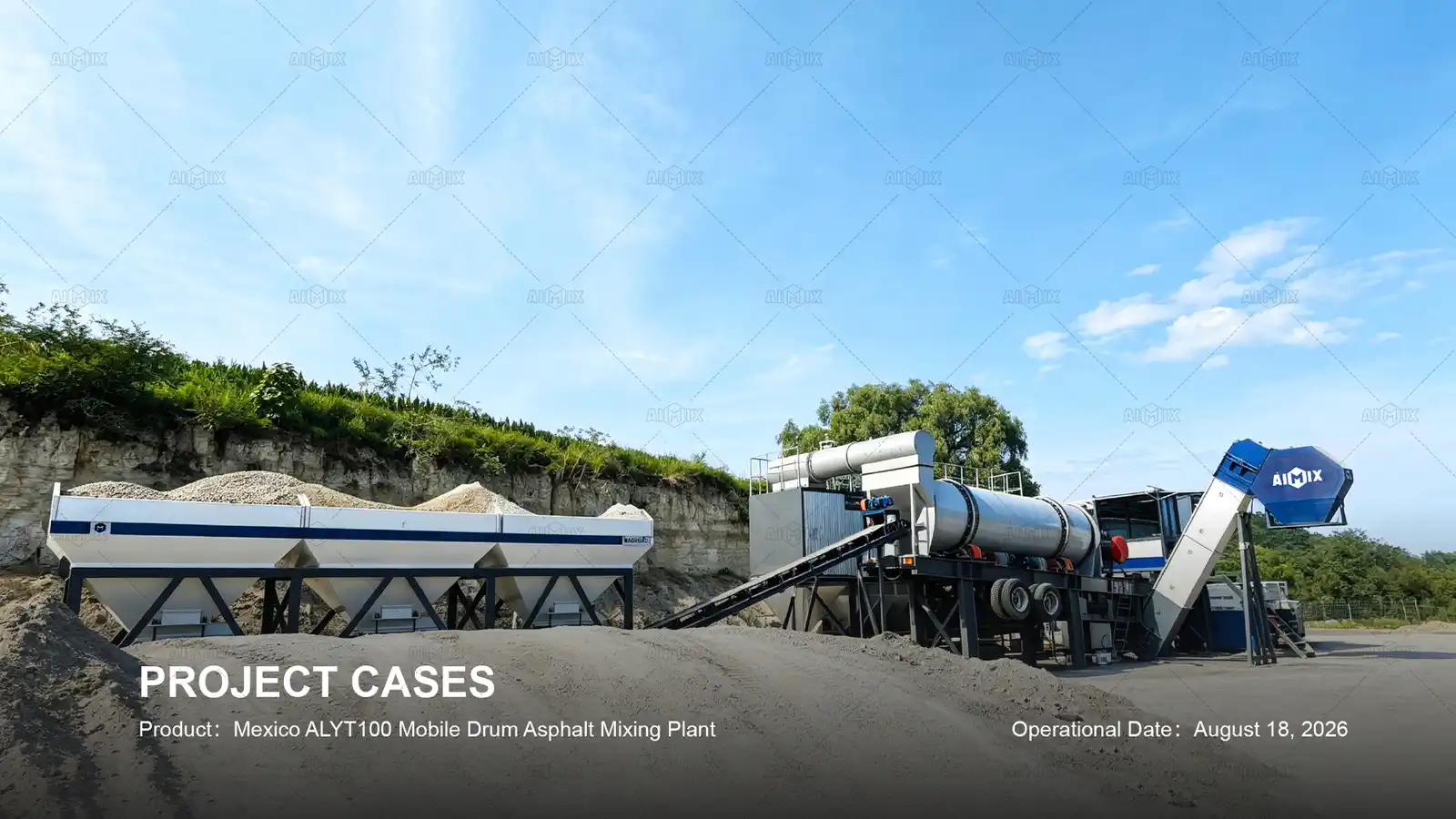
Mobile Drum Asphalt Plant
A mobile drum plant can be considered when the project requires continuous asphalt production and the mix requirements remain relatively stable.
The continuous production process can support long and consistent paving operations. Therefore, it may fit projects where the contractor expects steady asphalt demand over several days or weeks.
However, contractors should compare the production process with the actual project requirements. If frequent mix changes are expected, a batch plant may provide more practical flexibility.
Compact Asphalt Mixing Plant
A compact asphalt mixing plant can be suitable when the reconstruction site has limited space or when the required asphalt output is moderate.
This situation can occur on local roads, mountain roads, rural highways, and isolated communities. A very large asphalt plant may require more space, material storage, transportation arrangements, and site preparation than the project can justify.
A compact solution can therefore help contractors maintain an appropriate relationship between plant capacity and actual project demand.
Stationary Asphalt Mixing Plant
A stationary asphalt mixing plant becomes more relevant when disaster recovery develops into a large and long-term reconstruction program.
For example, a government or major contractor may receive a multi-year road reconstruction program covering hundreds of kilometers. If most projects remain within the same region, centralized asphalt production can become more practical than repeatedly moving a mobile plant.
In this situation, contractors can evaluate a stationary asphalt plant for sale based on long-term production volume, aggregate logistics, land availability, and expected plant utilization.
Therefore, stationary plants are not necessarily unsuitable for disaster reconstruction. They are simply more appropriate for a different project profile.
Mobile Or Stationary Asphalt Plant: What Should Contractors Consider?
The mobile-versus-stationary decision becomes easier when contractors evaluate the project timeline and logistics together. A plant should support the way the project actually operates, from material delivery to paving and final road opening.
| Project Condition | Potential Plant Direction | Main Consideration |
|---|---|---|
| Short emergency repair | Mobile or compact plant | Fast deployment and easier relocation |
| Multiple damaged road sections | Mobile plant | Potential movement between work areas |
| Remote reconstruction site | Mobile or compact plant | Reduce dependence on distant asphalt suppliers |
| Stable, high-volume paving | Mobile or stationary high-capacity plant | Continuous production and plant utilization |
| Long-term regional reconstruction | Stationary plant | Long-term centralized production |
| Frequent mix changes | Batch plant | Greater production flexibility |
| Stable mix and continuous demand | Drum plant | Continuous production operation |
This comparison provides a starting point, but contractors should still consider local conditions before making the final equipment decision.
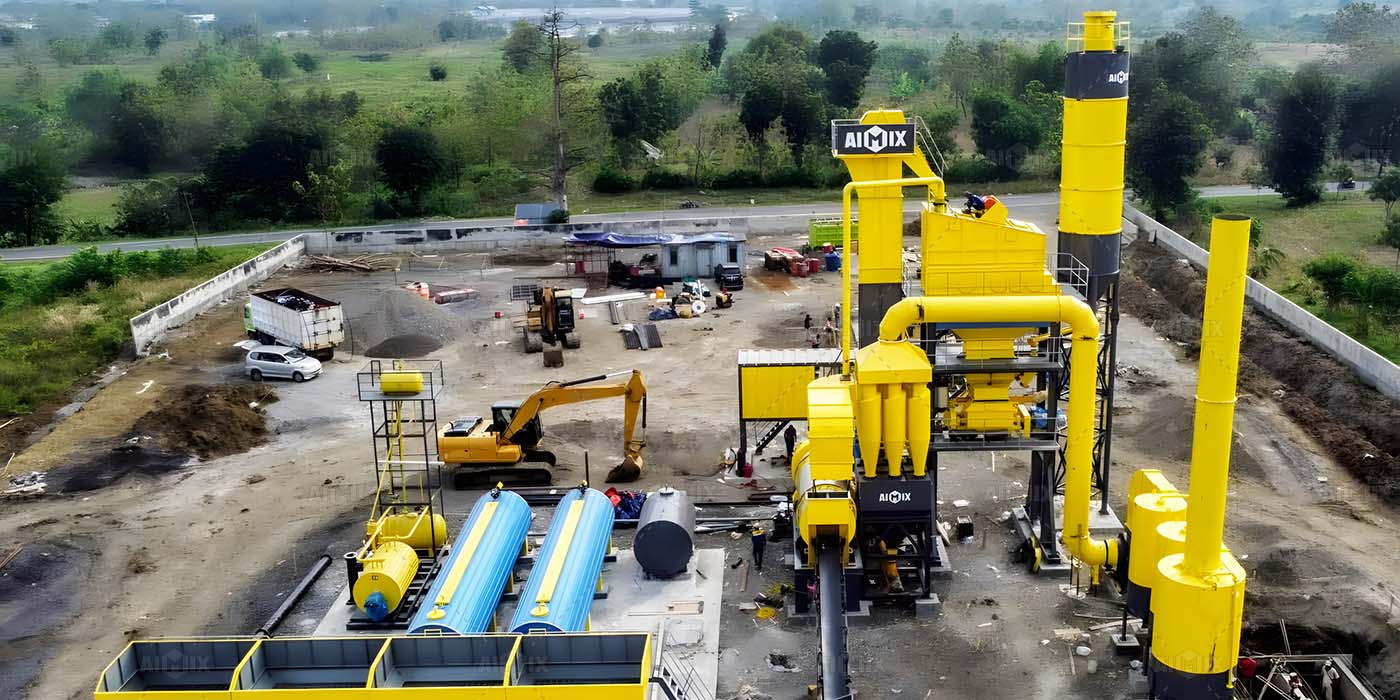
How Much Asphalt Plant Capacity Does Emergency Road Reconstruction Need?
Production capacity should come from the paving requirement rather than from a general assumption about the project size.
Suppose a contractor needs approximately 600 tonnes of asphalt mix per day. If the plant operates for eight effective production hours, the average required production is:
600 tonnes ÷ 8 hours = 75 tonnes per hour.
This does not mean that a 75 t/h plant is automatically the correct choice. The contractor should also consider production interruptions, truck changes, aggregate loading, maintenance, mix changes, and other operational factors.
A plant with some additional capacity may provide a more practical operating margin.
Calculate Peak Demand As Well As Average Demand
Emergency projects rarely maintain exactly the same production rate every day.
One day may focus on roadbed preparation. Another day may involve intensive asphalt paving. Once a blocked road becomes accessible, the contractor may need to increase production quickly to prevent the paving crew from waiting.
Therefore, the project team should calculate both average and peak asphalt demand.
- Average tonnes of asphalt required per day.
- Peak tonnes required during intensive paving periods.
- Number of effective production hours.
- Expected paving speed.
- Truck loading and transportation time.
- Expected plant utilization.
- Potential production interruptions.
This calculation helps avoid both under-sizing and excessive over-sizing.
Why Road Accessibility Matters When Choosing A Mobile Asphalt Plant
After a natural disaster, the location of the asphalt plant becomes a logistics decision.
A site that looks close to the damaged road may not actually be suitable. The access road may have weak sections. Bridges may have weight restrictions. Floodwater may return. Heavy equipment transport may also require a wider route than normal trucks.
Therefore, the contractor should inspect the transportation route before mobilizing the plant.
Check The Plant Site Before Installation
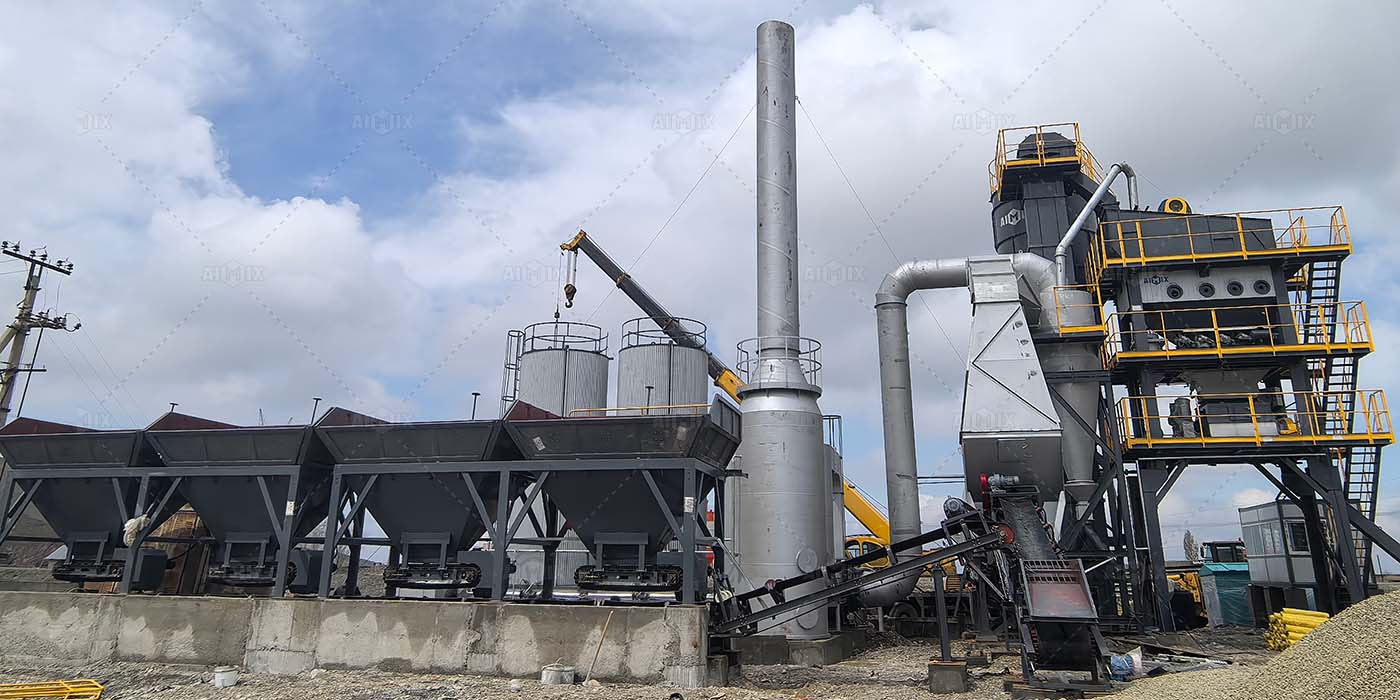
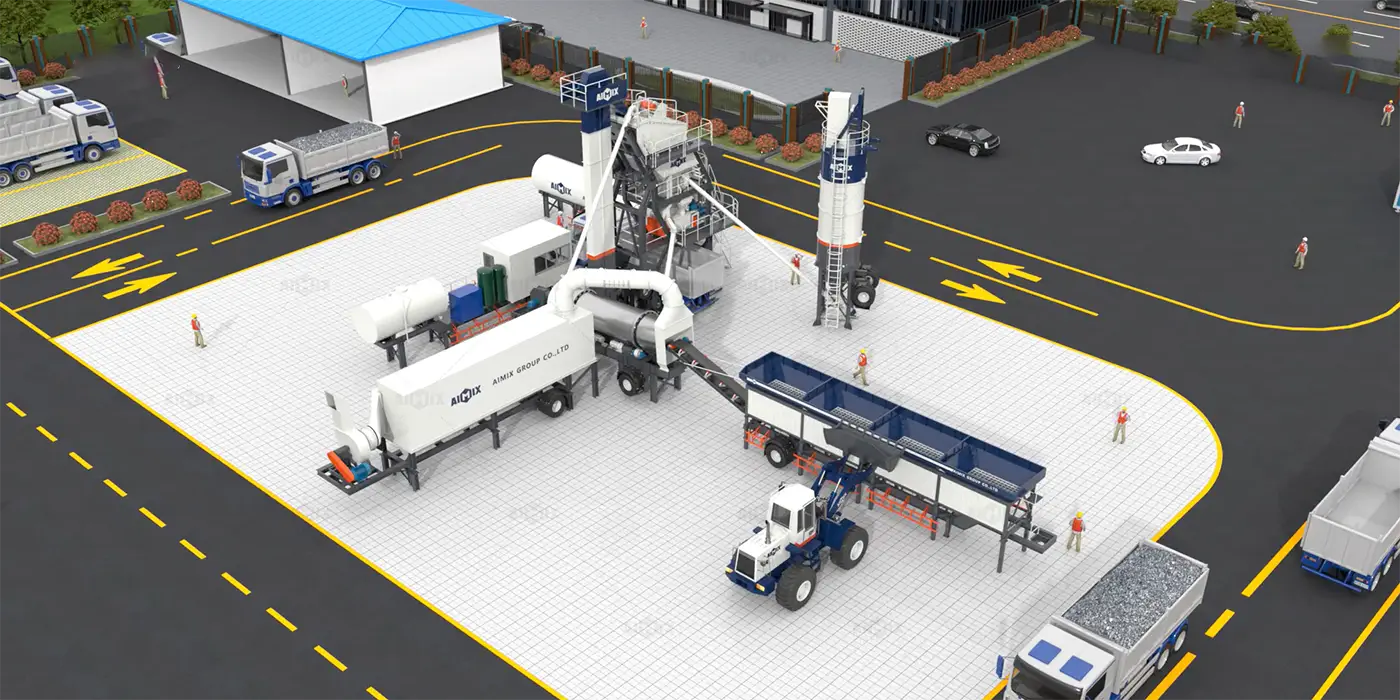
The selected location should provide enough space for the plant and supporting operations.
- Stable ground for equipment installation.
- Access for heavy transport vehicles.
- Space for aggregate stockpiles.
- Suitable truck circulation routes.
- Bitumen storage and heating arrangements.
- Fuel storage and supply access.
- Electrical or generator requirements.
- Drainage conditions.
- Protection from potential flooding.
- Compliance with local regulations.
This preparation is especially important after flooding. A plant should not simply be placed near the damaged road without considering the possibility of another weather event.
How Asphalt Transportation Affects Emergency Reconstruction
Plant capacity and truck capacity must work together. A plant can only maintain its planned output when enough trucks can move the finished asphalt to the paving operation.
For example, assume an asphalt plant produces 100 tonnes per hour and each truck carries 20 tonnes. The plant needs approximately five truckloads per hour to continuously remove the produced asphalt.
However, five trucks may not be enough if the round-trip travel time is long.
If one complete truck cycle takes two hours, each truck can make only about half a trip per hour. The contractor would therefore need more trucks to maintain a steady supply between the plant and paving site.
This simple calculation shows why plant selection and transportation planning should happen together.
Shorter Hauling Distance Can Improve Operational Control
When an asphalt plant is located closer to the paving operation, trucks can potentially complete more cycles during the working day.
As a result, the contractor may need fewer trucks to support the same production target. More importantly, the paving crew may experience fewer interruptions caused by delayed deliveries.
This does not mean that a mobile plant should always be placed as close as possible to the road. Safety, environmental requirements, aggregate supply, site stability, and truck access still determine the practical location.
Batch Or Drum Type: Which Is Better For Emergency Road Work?
There is no universal answer because the two production systems suit different operating conditions. The contractor should start with the required asphalt mix, daily demand, paving schedule, and expected project duration.
When A Batch Plant Can Be Practical
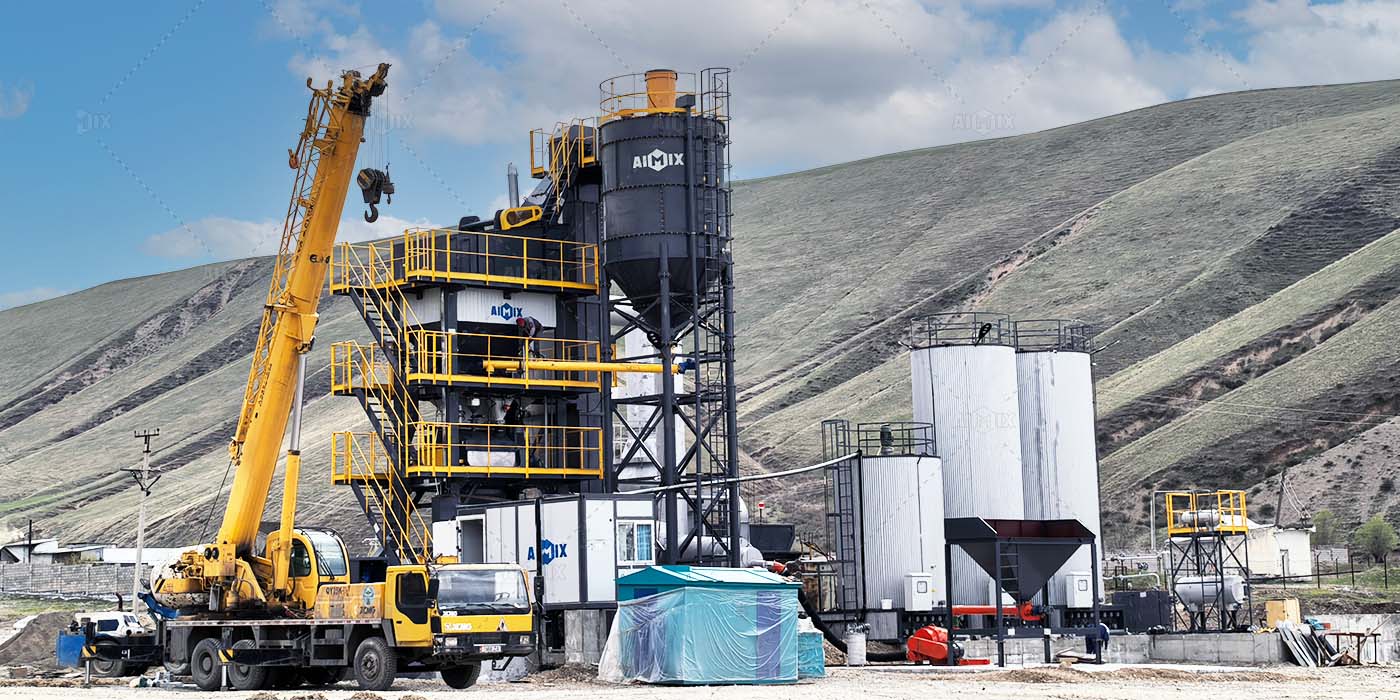
A batch asphalt plant can be useful when the project requires different mix specifications or frequent production adjustments.
This can occur when one emergency reconstruction program covers several types of roads. Highway sections, urban roads, bridges, and temporary access roads may not always use exactly the same asphalt mix.
Batch production can therefore give the contractor greater control when mix requirements change.
For contractors looking for a production system that can handle different asphalt mixes while maintaining controlled batching, an asphalt batching plant for sale can be evaluated according to the project’s actual output and mix requirements.
When A Drum Plant Can Be Practical
A drum asphalt plant can be considered when the project has a relatively stable mix and requires continuous production.
For a long road section with consistent paving requirements, continuous production can support a steady workflow between the plant, trucks, and paver.
Therefore, the contractor should select the production type according to the actual asphalt mix requirements and paving schedule.
What If The Project Needs Temporary Emergency Repairs?
Not every damaged road requires immediate permanent reconstruction.
In some situations, the first objective is to restore essential traffic access. The contractor may need to repair a damaged section temporarily while engineers prepare a more comprehensive permanent reconstruction plan.
This distinction affects the asphalt plant decision.
If only a relatively small quantity of asphalt is required for emergency access, investing in a large permanent production facility may not be practical. A mobile or compact plant may provide a more flexible solution if the project conditions support on-site production.
On the other hand, if the emergency phase will quickly transition into a large permanent reconstruction program, the contractor should consider the longer-term asphalt demand before choosing the plant.
The important point is to separate the immediate traffic-restoration requirement from the total reconstruction requirement.
How To Keep Asphalt Production Reliable During Disaster Recovery
Emergency construction leaves little room for prolonged equipment downtime. Therefore, plant reliability and supporting logistics deserve as much attention as production capacity.
Secure Aggregate Supply
Aggregate is one of the most important inputs in asphalt production. A plant cannot maintain production if trucks cannot deliver suitable aggregate.
Contractors should therefore check the quarry’s production capacity, material quality, delivery route, stockpile space, and expected supply continuity.
If suitable aggregate is available closer to the emergency project, the contractor may reduce transportation pressure. However, material quality must always meet the project requirements.
Plan Bitumen And Fuel Supply
Bitumen and fuel supply can also become challenging after a disaster.
Before starting production, the project team should confirm storage capacity and delivery schedules. This is particularly important when normal fuel or bitumen transportation routes have been disrupted.
A reliable asphalt plant still needs a reliable supply chain.
Prepare Spare Parts And Technical Support
Emergency projects often operate in remote areas. If a critical component fails, waiting several days for a replacement can have a much larger impact than it would on a normal project.
Contractors should therefore consider spare-parts availability, technical support, installation assistance, operator training, and troubleshooting response before purchasing an asphalt plant.
These factors directly affect the practical availability of the plant.
What Features Should Contractors Look For?
When selecting an asphalt mixing plant for emergency reconstruction, contractors should evaluate the complete operating system rather than only the equipment price.
- Suitable production capacity: Match the plant with actual asphalt demand and paving capacity.
- Practical mobility: Consider transportation, installation, relocation, and site requirements.
- Production flexibility: Evaluate whether the project requires different asphalt mixes.
- Reliable heating: Stable aggregate and bitumen heating is essential for consistent production.
- Simple control: Operators should be able to manage production efficiently under demanding conditions.
- Maintenance accessibility: Routine inspection and maintenance should be practical.
- Spare-parts availability: Critical components should be supportable during the project.
- Technical support: Installation, commissioning, training, and troubleshooting can reduce startup and downtime risks.
- Power and fuel compatibility: The plant should suit the energy conditions at the emergency site.
- Dust and emission control: Emergency construction still needs to meet applicable environmental requirements.
In other words, the plant should be judged by how well it supports the complete reconstruction operation, not just by its maximum theoretical output.
A Practical Example: Flood-Damaged Regional Roads
Consider a contractor responsible for repairing several flood-damaged regional roads.
The project requires around 500 to 800 tonnes of asphalt mix per day. The damaged roads are located 30 to 60 km from the nearest reliable commercial asphalt supplier. Several road sections need repair, and the contractor expects additional reconstruction work after the initial emergency phase.
In this situation, a mobile asphalt mixing plant may provide a practical production option.
The contractor can potentially position the plant closer to the active work area, provided that the site meets technical and regulatory requirements. Shorter transportation distances may then help improve truck utilization and reduce dependence on a distant supplier.
If the project requires different asphalt mixes, a mobile batch plant may provide additional flexibility.
However, imagine a different situation. The contractor receives a five-year reconstruction program covering hundreds of kilometers in the same region. Aggregate sources are stable, land is available, and asphalt demand remains high.
In that case, a stationary or larger centralized plant may become more practical because the contractor can utilize the facility over a much longer period.
Therefore, the same natural disaster can lead to different asphalt plant decisions depending on the reconstruction strategy.
Emergency Asphalt Plant Selection Checklist
Before purchasing or mobilizing an asphalt mixing plant, the project team can work through the following checklist:
- Define the emergency repair scope.
- Separate temporary traffic restoration from permanent reconstruction.
- Estimate total asphalt demand.
- Calculate average daily production.
- Calculate peak daily production.
- Check the actual paving capacity.
- Calculate truck requirements.
- Measure the distance from aggregate sources to the plant.
- Measure the distance from the plant to the paving area.
- Check heavy equipment transportation routes.
- Inspect ground conditions at the proposed plant site.
- Confirm power and fuel availability.
- Confirm bitumen and aggregate supply.
- Determine whether batch or drum production better fits the mix requirements.
- Decide whether the plant needs to move between projects.
- Check installation and commissioning requirements.
- Confirm spare-parts availability.
- Evaluate technical and after-sales support.
- Check local environmental and construction requirements.
Why The Entire Project Should Drive The Plant Selection
Emergency reconstruction creates strong pressure to make equipment decisions quickly. Nevertheless, speed should not replace proper planning.
A large asphalt plant may look attractive because of its high production rate, but it may not improve the project if the paving operation cannot consume the output. A mobile plant may look ideal because it can move between sites, but it still needs a stable and accessible installation location.
Likewise, purchasing a plant at a lower initial price does not necessarily produce the lowest overall project cost. Transportation, fuel consumption, downtime, spare parts, installation, labor, and technical support can all influence the actual operating cost.
For this reason, contractors should compare the plant based on the complete project cycle.
So, What Asphalt Mixing Plant Is Suitable For Emergency Road Reconstruction?
For many short-term or geographically dispersed disaster-recovery projects, a mobile or compact asphalt mixing plant can provide a practical balance between mobility, production, and deployment. A mobile batch asphalt plant can be particularly useful when the contractor needs production flexibility or expects different mix requirements. A mobile drum asphalt plant can suit projects with stable mix requirements and continuous production.
For a large, long-term regional reconstruction program, however, a stationary or high-capacity asphalt mixing plant may provide better long-term utilization.
The correct decision ultimately depends on the project’s asphalt demand, road accessibility, material supply, paving capacity, reconstruction period, and future equipment utilization.
Plan The Asphalt Solution Around Your Reconstruction Project
After a natural disaster, every hour of productive construction can matter. The asphalt plant therefore needs to fit the real conditions of the road reconstruction project rather than simply meeting a specification on paper.
If you are planning road reconstruction after a flood, earthquake, hurricane, landslide, wildfire, or other natural disaster, AIMIX can help you evaluate the required asphalt production capacity and plant configuration. Provide information such as the project location, estimated asphalt demand, required output, road access, aggregate source, paving schedule, and expected project duration.
With these details, you can compare mobile, compact, batch, drum, and stationary asphalt plant options based on the actual construction conditions and build a more reliable asphalt supply plan for emergency road reconstruction.