Developing infrastructure in distant or geographically isolated locations presents a unique set of logistical and engineering hurdles. Whether building mountain roadways, rural bridges, hydroelectric dams, or mining facilities, access to reliable construction materials remains a primary bottleneck. Traditional concrete supply methods often fail in these environments due to excessive transit times, deteriorating mix quality during long haulage, and prohibitive transport costs.
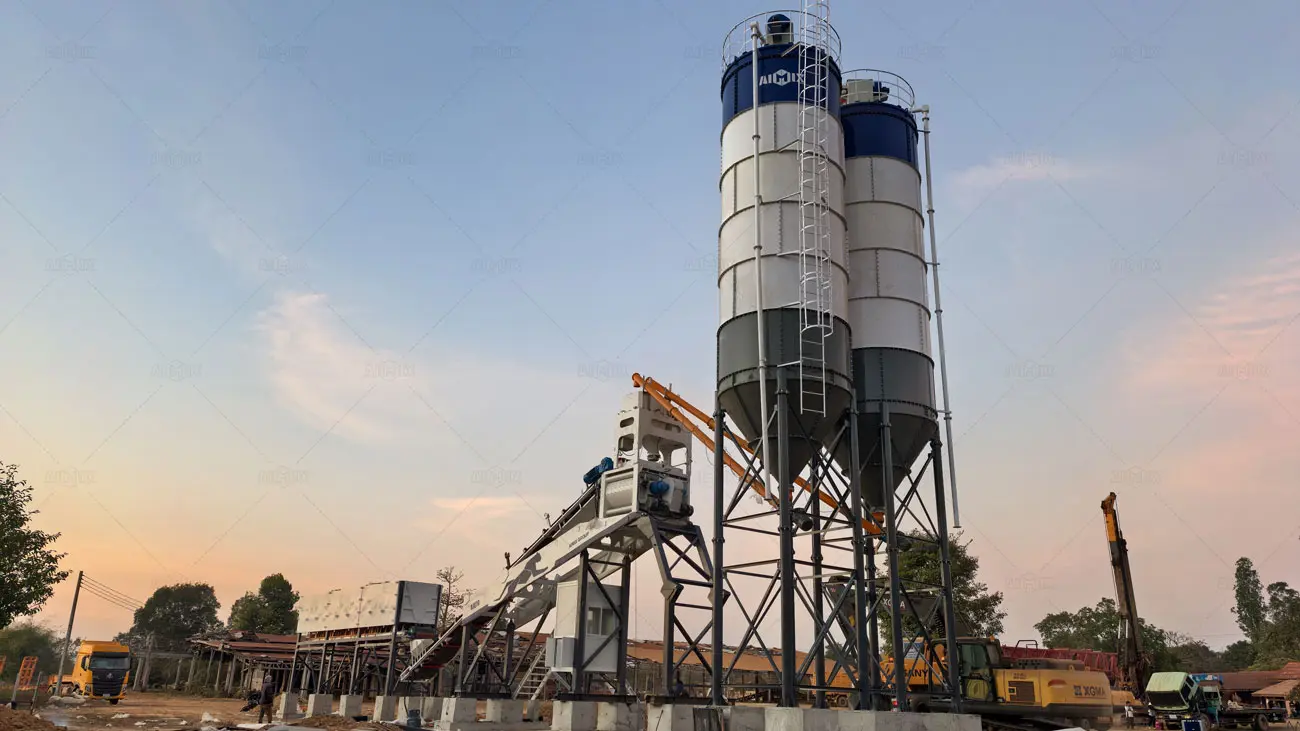
To overcome these limitations, modern contractors are increasingly relying on flexible, on-site batching solutions. A modern mobile concrete plant(planta de hormigón móvil) allows operators to establish high-capacity production facilities directly at the job site within days rather than months. By eliminating dependency on distant commercial suppliers, project managers can maintain tight schedules, reduce transport emissions, and ensure consistent material quality even under harsh environmental conditions.
The Core Challenges of Remote Construction Projects
Remote job sites are characterized by rugged terrain, undeveloped road networks, and unpredictable weather patterns. Delivering high volumes of freshly mixed concrete across vast distances using conventional transit mixers introduces severe risks to structural integrity.
Material Degradation and Distance Hazards
Concrete is a perishable product that begins setting shortly after mixing. Extended transit times over unpaved or mountainous roads risk early setting, segregation, and reduced compressive strength. When a job site relies on a distant ready-mix concrete plant(planta de hormigón elaborado), any traffic delay or equipment breakdown on the road can cause site-wide delays and costly material waste.
High Transportation and Capital Costs
Operating a long-haul fleet requires substantial fuel, vehicle maintenance, and driver hours. In remote regions, these operational costs multiply exponentially. Establishing a permanent batching facility is rarely economically viable for temporary projects, as civil works, foundation pouring, and site dismantling consume valuable time and capital.
Engineering Innovations in Rapid Deployment
The evolution of modular batching technologies has fundamentally transformed how contractors approach remote construction. Modern engineering focuses on pre-wired, pre-assembled modules that require minimal foundation preparation and reduced site labor.
Modular Architecture and Ease of Transport
By designing components within standard shipping container dimensions, manufacturers enable effortless transport via standard flatbed trucks, cargo ships, or rail systems. Once on site, hydraulic lifting mechanisms and pin-connected structural components dramatically simplify the setup process, enabling rapid commissioning.
Comparative Analysis of Batching Plant Types
| Plant Type | Assembly Time | Mobility | Production Capacity |
|---|---|---|---|
| Stationary Concrete Plant | 2 to 4 Weeks | Fixed Location | High (90–180 m³/h) |
| Mobile Concrete Plant | 1 to 3 Days | High Mobility | Medium to High (30–100 m³/h) |
| Quick-Assembly Concrete Plant | 3 to 5 Days | Modular Mobility | High (70 m³/h) |
The Impact of the AJQ70 Quick-Assembly Concrete Plant
Among the advanced batching solutions designed for high-efficiency remote execution, the AJQ70 quick-assembly concrete plant(AJQ70 planta de concreto de montaje rápida) stands out for its balance of robust output capacity and rapid setup features.
High Production Capacity in Compact Footprints
With a production capacity of up to 70 cubic meters per hour, the AJQ70 quick-assembly concrete plant delivers heavy-duty output suitable for major civil works. Its intelligent modular arrangement ensures that aggregate bin loading, twin-shaft mixing, and cement weighing occur seamlessly within a compact operational footprint.
Streamlined Site Setup and Dismantling
Unlike traditional plants requiring extensive foundation work and weeks of electrical wiring, the AJQ70 quick-assembly concrete plant utilizes foldaway structures and plug-and-play connections. This allows engineering teams to erect, calibrate, and commission the plant in a fraction of the standard timeframe, making relocation between project phases swift and cost-effective.
Global Realities: Application of Concrete Plants in Colombia
The geography of South America offers a prime example of why adaptable batching infrastructure is indispensable. In Colombia, where Andean mountain ranges, dense rainforests, and isolated rural provinces define the terrain, civil engineering projects face immense geographical barriers.
Navigating Complex Topography
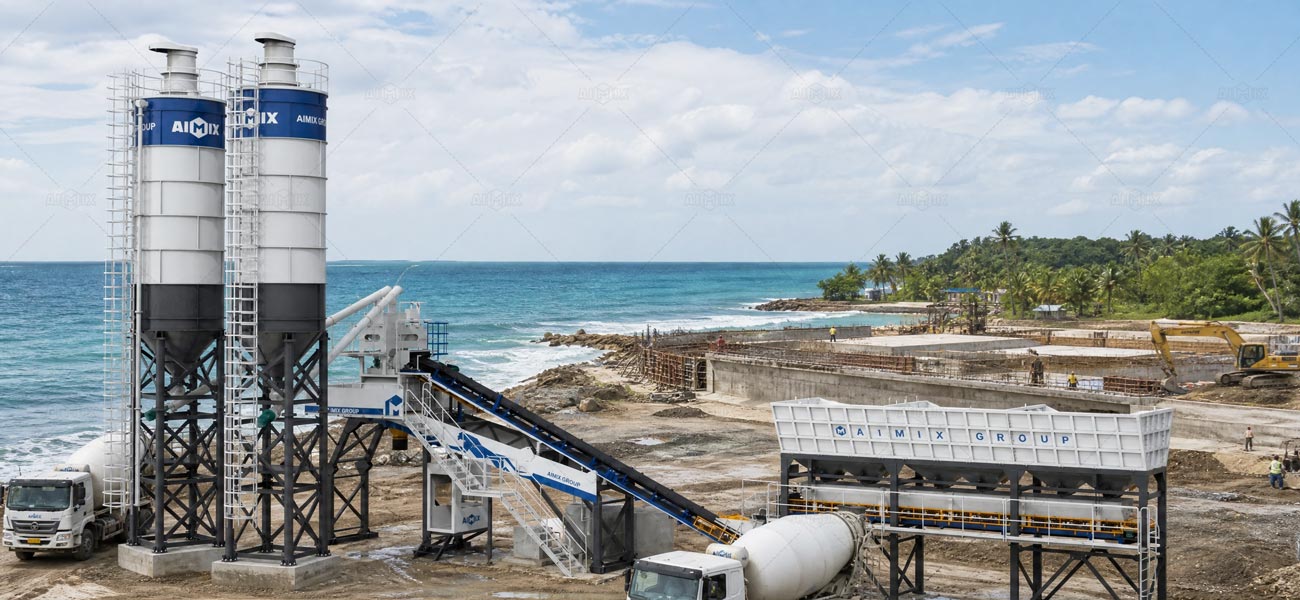
Major road expansion programs and renewable energy developments in South America require batching plants that can be relocated across steep valleys and unpaved mountain corridors. The deployment of concrete plants in Colombia has proven vital in constructing bridges, tunnels, and highways through challenging terrain.
Economic and Operational Impact
Using versatile equipment like a mobile concrete plant or specialized modular units enables regional contractors to manufacture high-spec concrete directly along highway corridors. The successful utilization of concrete plants in Colombia(plantas de concreto en Colombia) demonstrates how localized material batching boosts regional economic connectivity by shortening project delivery timelines and lowering overall procurement expenditure.
Optimizing Supply Chains with Modern Batching Technology
Integrating a localized batching facility transforms job site logistics from a reactive struggle into a streamlined operation. Having an on-site ready-mix concrete plant gives project directors real-time control over mix designs, temperature adjustments, and pouring rates.
Precise Quality Control and Mix Flexibility
Different structural elements demand specific concrete formulations. Operating an on-site ready-mix concrete plant allows technicians to instantly adjust water-cement ratios, chemical admixtures, and aggregate gradations based on ambient weather conditions and immediate structural requirements, ensuring optimal structural performance.
Environmental and Sustainability Benefits
By drastically shortening the distance transit mixers must travel, contractors significantly reduce overall carbon emissions and fuel consumption. Furthermore, modern quick-installation batching plants feature closed-loop dust suppression and water recycling systems, mitigating environmental impacts in ecologically sensitive wilderness areas.
The Future of Remote Infrastructure Engineering
As global investments in energy networks, mining operations, and regional transport corridors expand into increasingly isolated territories, the demand for adaptable material production will continue to climb. Utilizing equipment like a mobile concrete plant or the high-capacity AJQ70 quick-assembly concrete plant ensures that harsh geography no longer dictates construction schedules. Furthermore, the successful implementation of concrete plants in Colombia provides a clear blueprint for other developing nations facing similar geographical challenges. By prioritizing modular engineering, rapid setup, and localized quality control via an efficient ready-mix concrete plant, contractors can conquer logistical barriers and deliver critical infrastructure safer, smarter, and faster than ever before.