Latin America stands as the undisputed powerhouse of global copper production, with countries like Chile and Peru leading the supply chain. However, operating margins across the region are increasingly squeezed by rising electricity tariffs, declining ore grades, and complex mineralogy. Because comminution—the process of crushing and grinding rock—accounts for over 50% of a mine’s total electrical consumption, optimizing this stage is essential for maintaining profitability. Upgrading and fine-tuning the ball mill(molino de bolas) circuit represents one of the most effective strategies for reducing electricity costs per ton of concentrate produced.
The Energy Challenge in Latin American Comminution Circuits
As Latin American copper deposits age, miners are forced to process harder, lower-grade ores. Achieving the required liberation size demands significantly more energy per ton. Historically, operations relied on various grinding configurations, sometimes utilizing a primary rod mill prior to fine grinding stages. However, modern high-capacity operations demand higher throughput and lower specific energy consumption ($kWh/t$).
In any major mining mill infrastructure, electrical energy represents a recurring operational expense that directly impacts the bottom line. Reducing this expenditure requires a systematic review of how energy is transferred from the drive systems to the grinding media within the mill shell. When energy losses through heat, friction, and inefficient media impact are minimized, the cost per ton of processed ore drops dramatically.
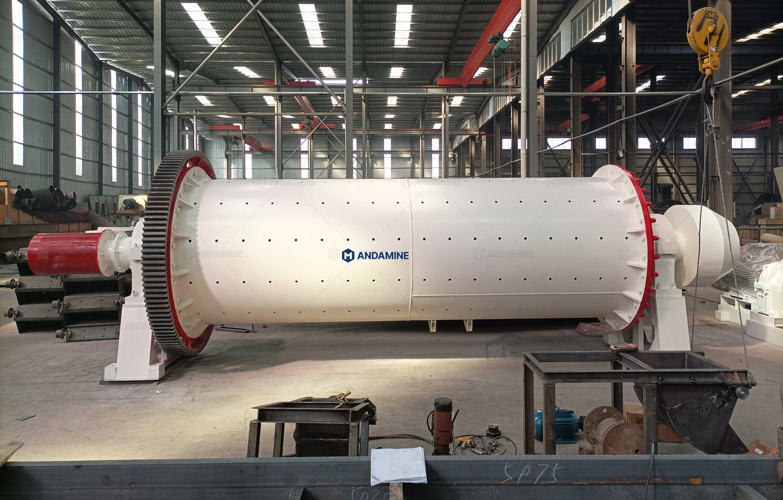
Key Innovations in Ball Mill Technology
Modern advancements in grinding technology have transformed the traditional ball mill from a heavy energy consumer into an optimized, data-driven machine. Implementing targeted technological improvements allows copper producers to achieve finer grinding with less kilowatt-hour input.
1. Variable Speed Drives (VSD) and Gearless Mill Drives (GMD)
Traditional fixed-speed grinding systems run at a constant rotational velocity regardless of changing ore hardness or volumetric load. Equipping a ball mill with variable speed technology enables operators to adjust the mill speed dynamically. During periods of softer feed, speed can be reduced to save electricity, while harder ores can be processed at optimal cascading angles without wasting power.
2. Optimized Liner Profiles and Lifter Designs
The interior lining of a mining mill(molino minería) dictates the trajectory of the grinding charge. High-performance composite liners reduce overall weight, placing less strain on the drive motor while optimizing charge lifting. By directing the grinding media to impact the toe of the charge rather than the shell liners, kinetic energy is transferred efficiently into ore breakage rather than wasted as sound and thermal energy.
3. Advanced Process Control (APC) and Smart Sensors
Integrating real-time acoustic sensors, vibration monitors, and automated feed control prevents over-grinding. Over-grinding wastes immense amounts of power and can negatively impact downstream flotation performance. Smart control systems continuously calibrate slurry density and rotational speed to keep the ball mill operating at peak hydrodynamic efficiency.
Evaluating Grinding Equipment Across the Processing Plant
While the heavy-duty ball mill remains the workhorse of primary and secondary copper grinding circuits, understanding the roles of different grinding technologies across the entire mine site helps streamline power consumption.
| Mill Type | Primary Application | Energy Efficiency Profile | Role in Copper Operations |
|---|---|---|---|
| Ball Mill | Secondary and tertiary grinding of hard copper ore | High when paired with VSD and optimized charge | Main vehicle for target liberation size |
| Rod Mill | Coarse grinding and primary reduction | Moderate limited by media wear and speed | Largely replaced by SAG mills or HPGRs |
| Raymond Mill | Fine powder grinding for industrial minerals | High in dry fine grinding applications | Used in auxiliary lime and reagent preparation |
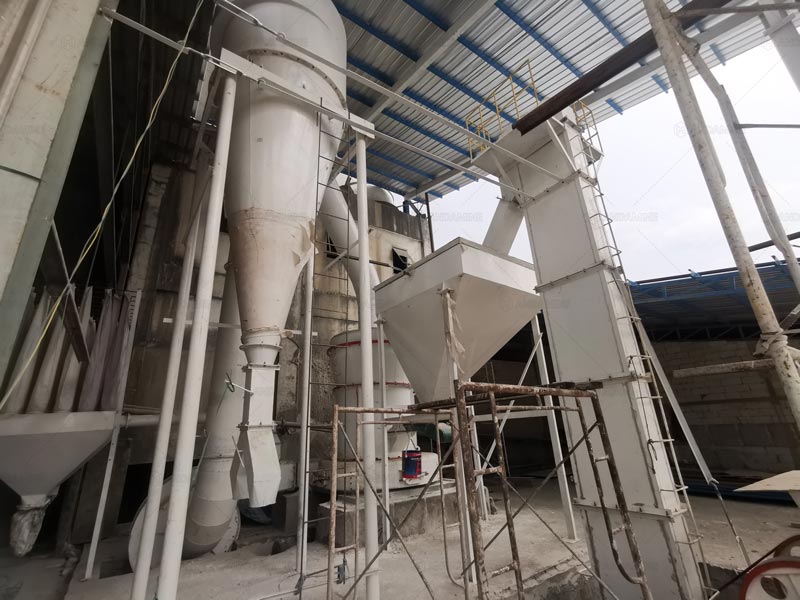
While a rod mill relies on line contact between steel rods to reduce coarse feed sizes, its application in ultra-large-scale copper operations has diminished in favor of semi-autogenous grinding combined with secondary ball milling. Conversely, technologies like the Raymond mill excel in dry fine pulverization. In a copper processing facility, a Raymond mill(molino Raymond) is frequently utilized in auxiliary circuits, such as grinding quicklime or reagents needed for flotation and hydrometallurgical pH control. Selecting the precise mining mill for each specific processing duty prevents energy misallocation across the entire facility.
Strategies for Reducing Electricity Cost Per Ton
To convert technology upgrades into measurable cost reductions per ton of concentrate, mine managers across Latin America should focus on several operational pillars:
- Grinding Media Optimization: Using high-chromium forged steel balls with tailored size distributions ensures efficient particle breakage while minimizing drive torque requirements in the ball mill.
- Circuit Integration with Pre-Crushing: Implementing High-Pressure Grinding Rolls ahead of the ball mill reduces feed size, shifting energy load to more efficient crushing technology and lowering overall mill power draw.
- Reagent and Lime Circuit Optimization: Efficiently preparing flotation reagents using a dedicated Raymond mill ensures precise chemical dosing without drawing excessive power from main power sub-stations.
- Upgrading Legacy Equipment: Replacing outdated legacy equipment with a modern mining rod mill(molino de barras) design reduces mechanical power loss in gearboxes and bearings.
Actionable Steps for Mine Operators
Achieving significant energy reductions requires a comprehensive energy audit of the comminution circuit. Mine operators should start by measuring the current specific energy consumption of each ball mill unit under varying ore conditions. Partnering with equipment manufacturers to run circuit simulations can highlight whether liner redesigns, drive retrofits, or changes in grinding media will yield the fastest return on investment. By modernizing grinding operations and leveraging advanced control systems, Latin American copper mines can lower their power costs per ton of concentrate, protecting profitability in a volatile global commodity market.