Indonesia’s construction sector continues to expand as the country invests in transportation networks, housing developments, industrial parks, ports, and public infrastructure. Behind these projects lies a steady demand for high-quality limestone aggregates, which serve as essential raw materials for cement manufacturing and various construction applications. As regional development spreads beyond major cities, aggregate producers are under increasing pressure to supply consistent materials while maintaining competitive production costs.
A 100TPH limestone crushing plant has become a practical solution for many Indonesian quarry operators and aggregate suppliers. Offering a balanced combination of production capacity, operational flexibility, and manageable investment, this configuration is well suited for medium-sized limestone quarries supplying local cement plants, ready-mix concrete producers, road contractors, and building material distributors. By transforming raw limestone into accurately graded aggregates, the plant helps strengthen regional construction supply chains while supporting sustainable business growth.
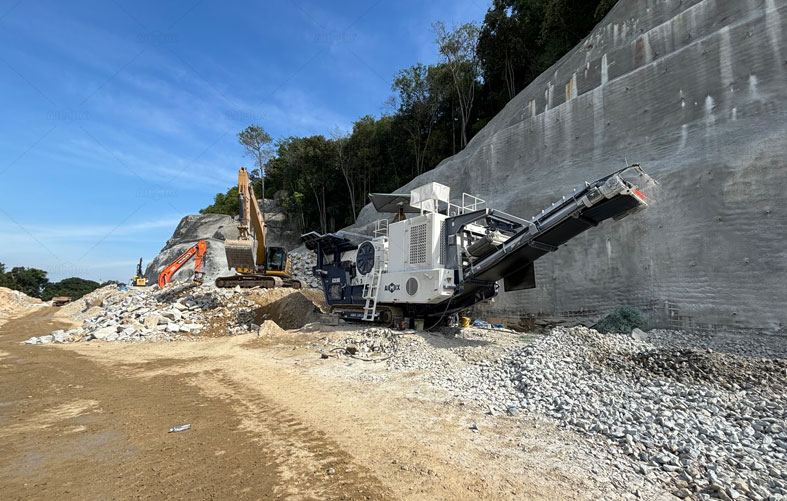
Why a 100TPH Limestone Crushing Plant Fits Indonesia’s Growing Aggregate Market
Meeting Regional Cement Production Requirements
Indonesia is one of Southeast Asia’s largest cement producers, with manufacturing facilities distributed across Java, Sumatra, Sulawesi, Kalimantan, and other islands. Cement manufacturers require a reliable supply of crushed limestone with consistent particle size to maintain stable production quality and operational efficiency.
A 100TPH limestone crushing plant provides sufficient capacity for many local quarries supplying nearby cement factories. Rather than investing in oversized production lines that may remain underutilized, quarry operators can match production output more closely to actual market demand. This balanced approach helps improve utilization of stone crusher in Indonesia while reducing unnecessary operating expenses.
With proper crushing and screening equipment, limestone can be processed into suitable feed materials for cement production, ensuring stable quality throughout the manufacturing process.
Supporting Expanding Construction Activities
Beyond cement manufacturing, crushed limestone is widely used in road construction, commercial buildings, residential developments, bridges, drainage systems, and infrastructure foundations. As Indonesia continues to improve transportation networks and urban facilities, demand for construction aggregates remains strong across numerous provinces.
A 100TPH crushing plant enables local aggregate suppliers to produce multiple finished aggregate sizes that meet the varying requirements of contractors. Instead of relying on long-distance transportation from larger production facilities, regional suppliers can establish efficient local production, shortening delivery distances and improving material availability.
This localized supply model helps reduce logistics costs while allowing contractors to receive construction materials more quickly.
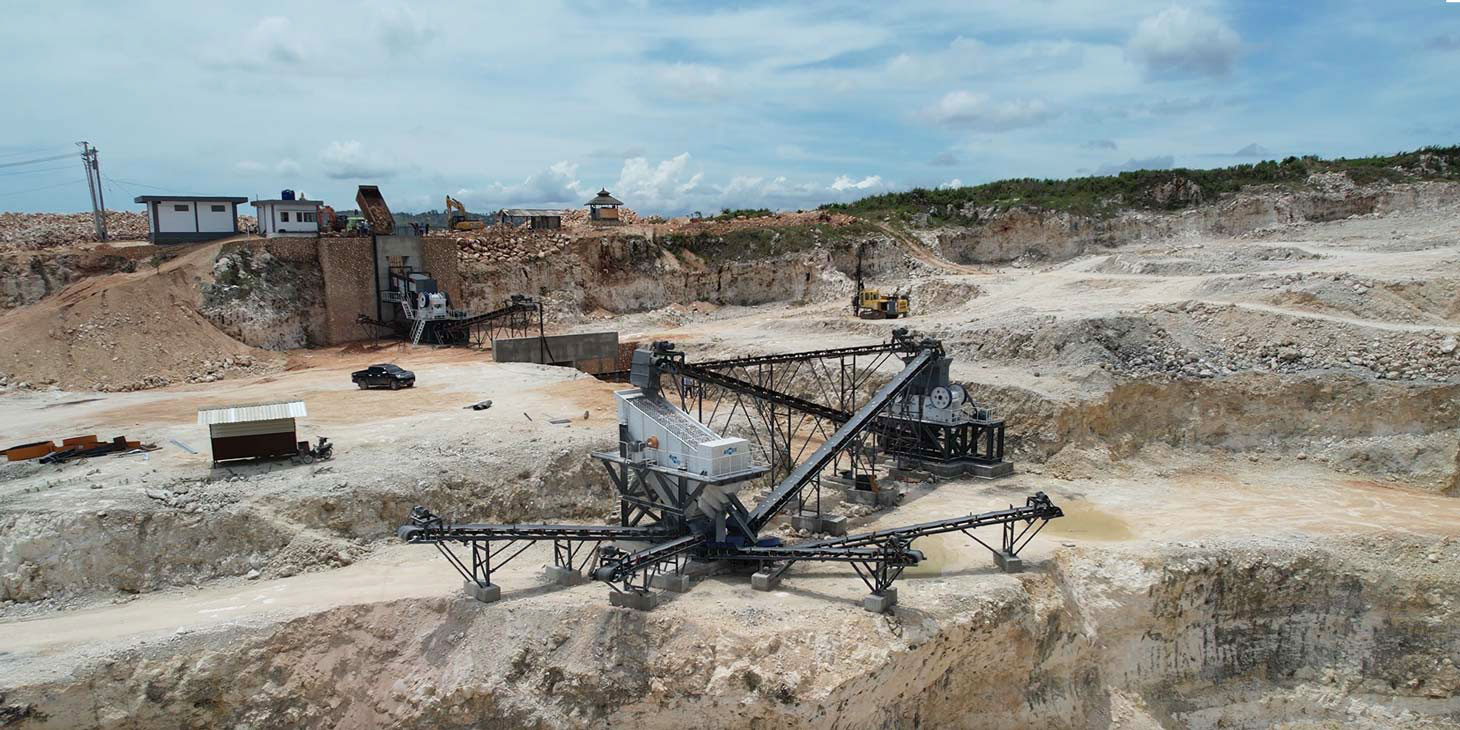
Key Advantages of a 100TPH Limestone Crushing Plant
Balanced Capacity for Medium-Scale Quarry Operations
Production capacity plays a critical role in quarry profitability. A crushing plant that is too small may struggle to satisfy customer demand, while an oversized facility may generate excessive capital investment and higher operating costs.
The 100TPH configuration represents a practical middle ground. It delivers sufficient hourly output for many regional aggregate businesses while maintaining relatively straightforward operation and maintenance requirements. This capacity is particularly suitable for privately owned limestone quarries and contractors supplying nearby infrastructure projects.
By aligning production capability with market demand, operators can improve resource allocation and maintain healthier profit margins.
Efficient Multi-Stage Crushing Process
Limestone is generally softer than granite or basalt, making it well suited to efficient crushing systems. A typical 100TPH production line combines a primary jaw crusher with a secondary impact crusher machine, followed by a vibrating screen to classify finished aggregates into different sizes.
This multi-stage arrangement improves particle shape while maximizing usable aggregate output. Oversized materials are automatically returned for further crushing, helping reduce waste and improve overall production efficiency.
The result is a stable supply of uniformly graded aggregates suitable for diverse construction applications.
Lower Operating Costs Through Optimized Equipment Matching
Cost efficiency is influenced not only by equipment price but also by long-term operating performance. A properly designed 100TPH limestone crushing plant minimizes unnecessary energy consumption by selecting equipment matched to limestone characteristics and production requirements.
Well-balanced material flow, optimized crusher selection, and effective screening systems help reduce excessive wear while maintaining stable throughput. Lower maintenance frequency and improved equipment reliability contribute to more predictable operating expenses over the plant’s service life.
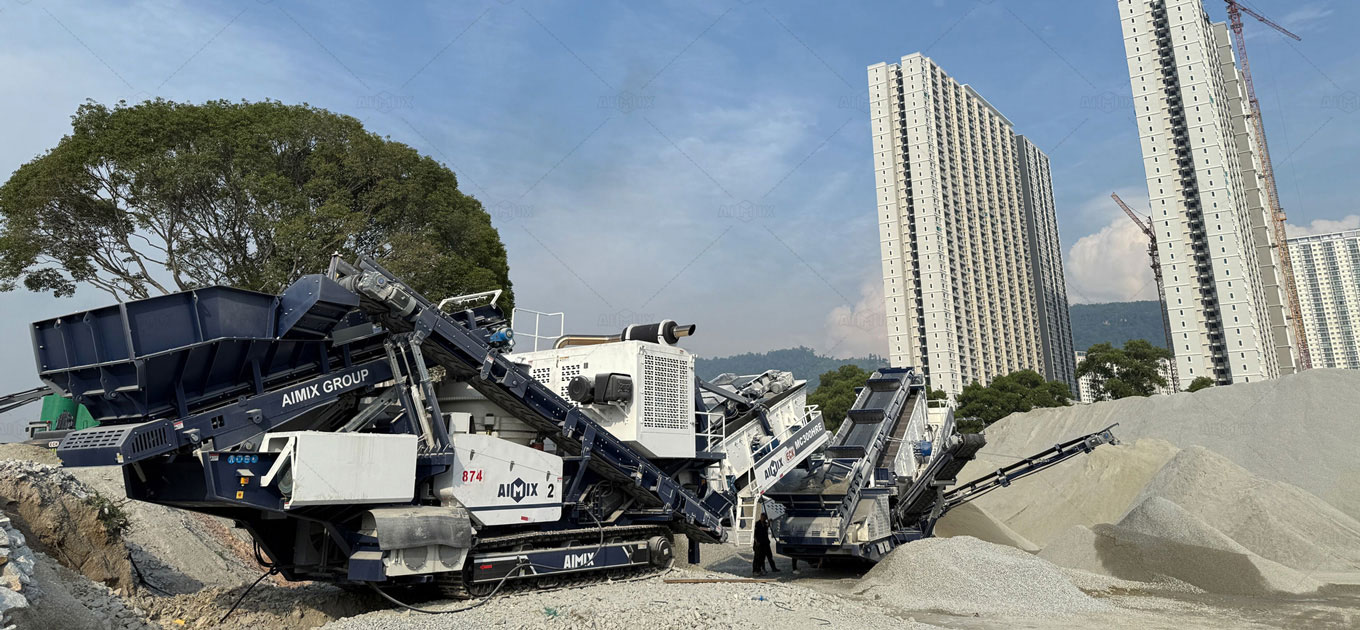
Applications of Crushed Limestone in Indonesia
Supplying Cement Manufacturing Plants
One of the primary applications of crushed limestone is cement production. Consistent raw material quality allows cement manufacturers to maintain efficient kiln operation and produce stable cement products that meet national construction standards.
Regional crushing plants positioned close to limestone deposits reduce transportation distances between quarry and cement factory, improving logistics efficiency and lowering raw material supply costs.
Producing Aggregates for Infrastructure Projects
Indonesia continues to prioritize infrastructure investment, including highways, railways, airports, seaports, industrial zones, and public utilities. Crushed limestone is widely used as base materials, sub-base aggregates, drainage stone, and concrete aggregates for these developments.
A 100TPH crushing plant can supply contractors with various aggregate sizes required throughout different construction stages. Continuous production supports smoother project schedules while reducing dependence on distant aggregate suppliers.
Supporting Local Building Material Markets
In addition to large infrastructure projects, local construction markets require steady supplies of crushed stone for residential housing, commercial buildings, precast concrete products, landscaping, and municipal improvements.
By serving nearby customers, quarry operators can respond more quickly to fluctuating demand while reducing transportation costs. This regional production strategy strengthens relationships with contractors and building material distributors.
Selecting the Right 100TPH Limestone Crushing Plant
Consider Raw Material Characteristics
Although limestone is generally easier to crush than many hard rocks, material properties can vary depending on quarry location. Operators should evaluate feed size, moisture content, abrasiveness, and desired finished product specifications before selecting equipment.
Choosing crushers designed specifically for limestone processing improves production efficiency and helps achieve better aggregate quality with lower wear costs.
Plan for Future Capacity Expansion
Construction demand often increases as regional development progresses. When investing in a crushing plant, it is advisable to consider future production requirements. Modular equipment layouts and scalable designs allow operators to expand capacity more easily as market demand grows.
This forward-looking approach protects the initial investment while reducing the need for major system modifications in the future.
Focus on Reliable After-Sales Support
Equipment performance depends not only on design but also on long-term technical support. Spare parts availability, maintenance services, operator training, and remote technical assistance all contribute to stable plant operation.
Working with an experienced equipment supplier helps minimize downtime and ensures that production remains consistent throughout the project’s lifecycle.
As Indonesia’s construction and cement industries continue to expand, reliable aggregate production becomes increasingly important. A 100TPH limestone crushing plant offers an efficient balance of capacity, flexibility, and operating economy, making it an ideal solution for medium-sized quarry operators. By supplying high-quality limestone aggregates to local cement manufacturers and construction projects, this production line helps strengthen regional supply chains while supporting sustainable infrastructure development across Indonesia.