Latin America boasts a booming infrastructure and mining sector, driving an immense demand for high-quality aggregates. However, setting up a reliable stone crusher plant in this region presents unique environmental challenges. Operators must contend with extreme climate swings, moving from scorching sun and high-density dust during the dry season to heavy downpours and thick mud in the rainy season. To maintain high productivity and minimize downtime, crushing lines must be specifically customized for these opposing conditions. This guide explores how to engineer a highly adaptable production line capable of thriving in Latin America’s demanding environments.
The Double Challenge: Scorching Sun vs. Muddy Monsoon
A standard aggregate crusher plant often struggles when subjected to the intense meteorological shifts typical of countries like Chile, Peru, or Brazil. During the dry season, intense solar radiation causes machinery to overheat, while fine dust infiltrates mechanical components, accelerating wear and tear. Conversely, the arrival of the rainy season transforms dry feeds into sticky, clay-heavy material that easily clogs traditional hoppers and screening networks.
To overcome these obstacles, investors searching for an aggregate crusher plant for sale Chile or elsewhere in the region must look beyond basic configurations. Customizing a stone crusher plant(planta chancadora) requires a dual-focus strategy: implementing robust thermal and dust management for the summer, alongside advanced moisture-handling configurations for the winter.
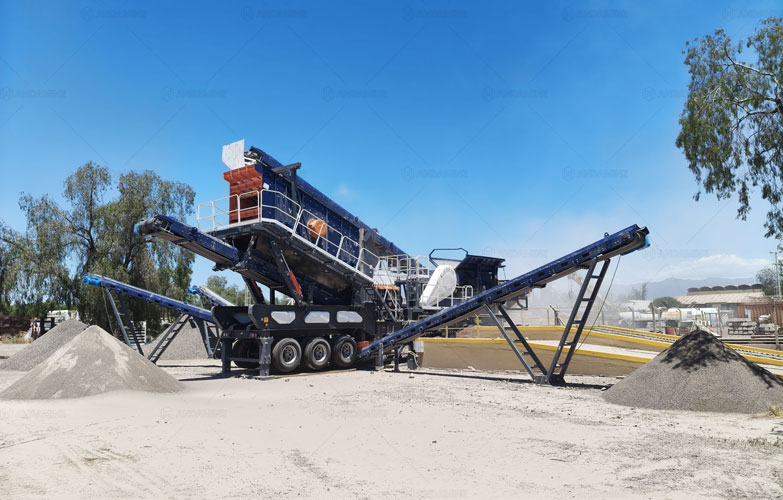
Dry Season Configurations: Beating Heat and Dust
When temperatures soar, the primary threats to an aggregate crusher plant(las principales amenazas para una planta chancadora de áridos) are overheating and abrasive dust. Protecting the heart of your operation requires several targeted modifications.
Advanced Cooling Systems
Standard lubrication units can fail under the blazing Latin American sun. Customizing your stone crusher plant with heavy-duty air-cooled or water-cooled oil lubrication systems is essential. Hydraulic systems for cone crushers and jaw crushers should feature oversized radiators and digital temperature monitoring to trigger automatic cooling cycles before thermal limits are reached.
Dust Suppression and Component Protection
High-temperature environments create significant dust clouds during primary and secondary crushing. Implementing high-pressure water misting systems at transfer points helps contain dust without over-saturating the material. Furthermore, critical electrical cabinets should be fitted with positive-pressure air conditioning units. This keeps fine, abrasive particles out of sensitive variable frequency drives (VFDs) and PLCs, preventing catastrophic electrical failures.
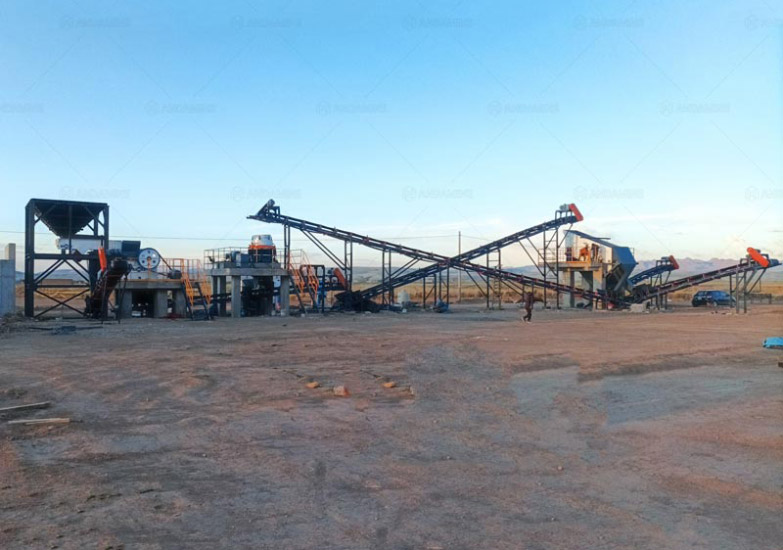
Rainy Season Adaptations: Conquering Sticky Mud
When the tropical or equatorial rains arrive, the main objective shifts from cooling to material flow management. Wet, sticky feed can quickly bring an inefficient aggregate crusher plant to a complete standstill.
Optimized Feeders and Mud Segregation
The first point of failure in muddy conditions is the vibrating grizzly feeder. To prevent clogging, the feeder should be customized with adjustable grizzly bars or a double-deck screening configuration. This allows the sticky, fine soil and mud to be bypassed and scalped out before it enters the primary jaw crusher, preventing the crushing chamber from packing and choking.
Specialized Screen Media
Traditional wire mesh screens blind over rapidly when processing wet aggregates. Upgrading your aggregate crusher plant with polyurethane screen media or anti-blinding piano wire screens ensures that sticky materials pass through efficiently. Polyurethane offers a natural elasticity that sheds sticky clay under vibration, maintaining high screening efficiency even during torrential downpours.
The Power of Mobility: Versatile Operations
For many operators in Latin America, the ultimate solution to seasonal volatility lies in fleet flexibility. This is where investing in a mobile stone crusher plant(invertir en una planta chancadora móvil) becomes highly advantageous.
A tire-mounted or crawler-type mobile stone crusher plant allows operators to easily shift production zones based on weather conditions. During heavy rains, low-lying quarry floors can flood or become unsustainably muddy. A mobile line can be quickly moved to higher, well-drained ground to keep production moving. Additionally, integrated onboard conveyors and compact designs reduce the footprint susceptible to mud accumulation, making cleanup and maintenance much simpler compared to fixed installations.
Key Technical Parameters for Climate Adaptation
When evaluating an aggregate crusher plant for sale Chile(planta chancadora de áridos venta Chile), balancing structural integrity with mechanical flexibility is key. The following matrix outlines the recommended core upgrades for a climate-resilient processing line.
| Component | Dry Season Solution (Scorching/Dusty) | Rainy Season Solution (Wet/Muddy) |
|---|---|---|
| Feeding System | Dust enclosures & misting nozzles | Grizzly scalper with mud-bypass chute |
| Crushing Chambers | High-viscosity synthetic lubricants | Deep-tooth jaws to prevent packing |
| Screening Unit | Dust-proof rubber sealing covers | Polyurethane flex-panels / Anti-blinding mesh |
| Conveyor Belts | Belt covers to prevent sun damage | Heavy-duty scrapers & V-plow cleaners |
Maintenance Protocols for Extreme Weather Transitions
Hardware upgrades alone are not enough; operational protocols must shift with the seasons. As the dry season transitions into the rainy period, operators should thoroughly clean out all dust suppression lines to prevent them from freezing or rusting, and check all conveyor belt scrapers. Mud scrapers are vital during the rainy season to keep sticky fines from building up on return rollers, which can cause belt misalignment and severe tracking issues.
When the weather swings back to extreme heat, the focus must immediately return to checking seal integrity, replacing hydraulic filters, and ensures that cooling fans are fully operational. By proactively managing these seasonal transitions, your stone crusher plant will maintain a steady output of high-quality aggregate, maximizing your return on investment throughout the year.