Construction and demolition waste recycling involves more than crushing discarded concrete, bricks, and other building materials. Efficient recycling depends on coordinating waste collection, material sorting, stockpile management, and processing operations. Poor coordination can lead to contaminated feed, equipment blockages, excessive material handling, and inconsistent recycled aggregate quality. A well-organized workflow helps recycling operators maintain a steady supply of suitable materials, improve equipment utilization, and recover more reusable resources from demolition sites. By connecting upstream waste management with downstream crushing and screening, construction and demolition waste recycling projects can achieve more predictable production and better operational efficiency.
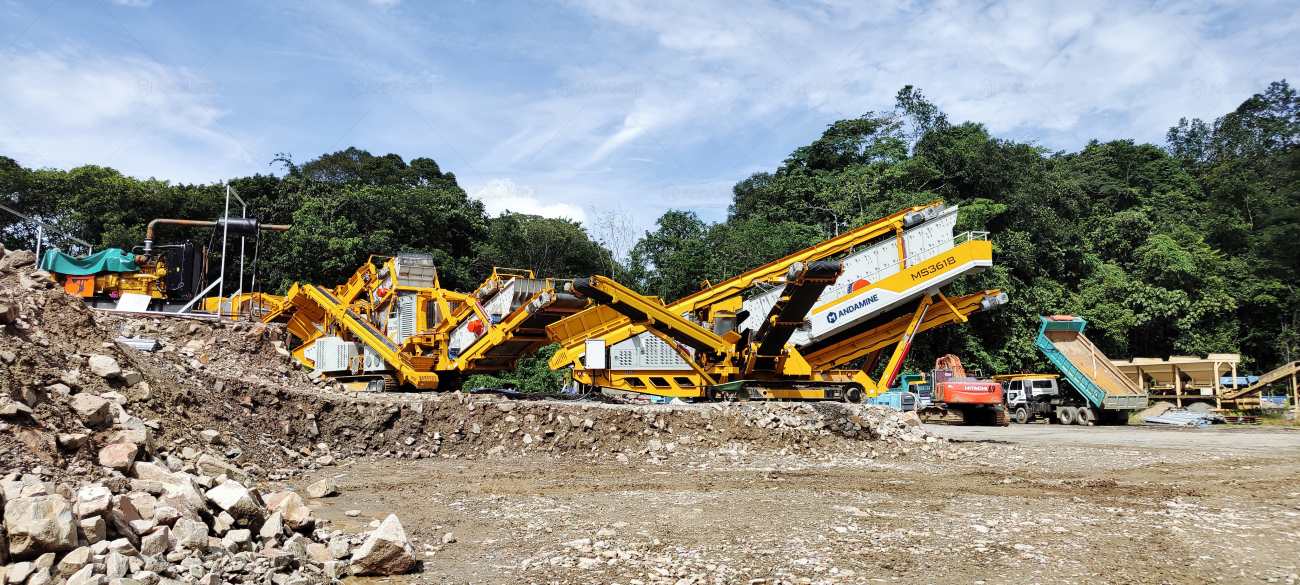
Organizing Waste Collection at Construction and Demolition Sites
Waste collection is the first stage of an effective recycling operation. Construction and demolition projects generate different materials, including reinforced concrete, bricks, asphalt, timber, metal, glass, and mixed debris. These materials should be identified and separated as early as possible rather than transported together without classification. Source separation reduces contamination and makes subsequent sorting and processing easier.
Collection planning should consider waste volume, material composition, project schedules, and transportation distance. Large demolition projects may generate substantial quantities of concrete within a short period, requiring coordinated truck dispatch and designated loading areas. Smaller renovation projects often produce mixed and irregular waste streams, so collection arrangements may need greater flexibility. Operators should also establish procedures for identifying hazardous or unsuitable materials and keeping them out of the recycling process.
Reliable collection schedules help prevent two common problems: insufficient feed for the processing plant and excessive waste accumulation at the site. Matching incoming material deliveries with available stockpile capacity and daily processing targets creates a more balanced workflow.
Why Stockpile Management Matters Before Processing
Stockpiling provides a buffer between irregular waste generation and continuous recycling operations. However, simply placing all collected materials in one large pile can create problems. Different waste types should be stored in designated areas to prevent unnecessary mixing. Concrete, brick, asphalt, and mixed construction debris may require different processing approaches, so maintaining separate stockpiles makes it easier to control feed quality and select suitable equipment.
Stockpile layout should also support efficient loading and material movement. Operators should provide enough space for loaders, excavators, and transport vehicles to work without interfering with the crushing area. Stable ground, suitable drainage, and clearly defined traffic routes help reduce handling difficulties, particularly during rainy periods. Excessive moisture and accumulated soil can affect screening efficiency and increase the risk of material blockages.
Stockpile management should include basic inventory records. Tracking incoming quantities, material categories, contamination levels, and remaining volumes helps operators estimate how long the available feed can support production. This information is useful when scheduling collection vehicles, planning equipment operation, and preventing interruptions caused by inconsistent material supply.
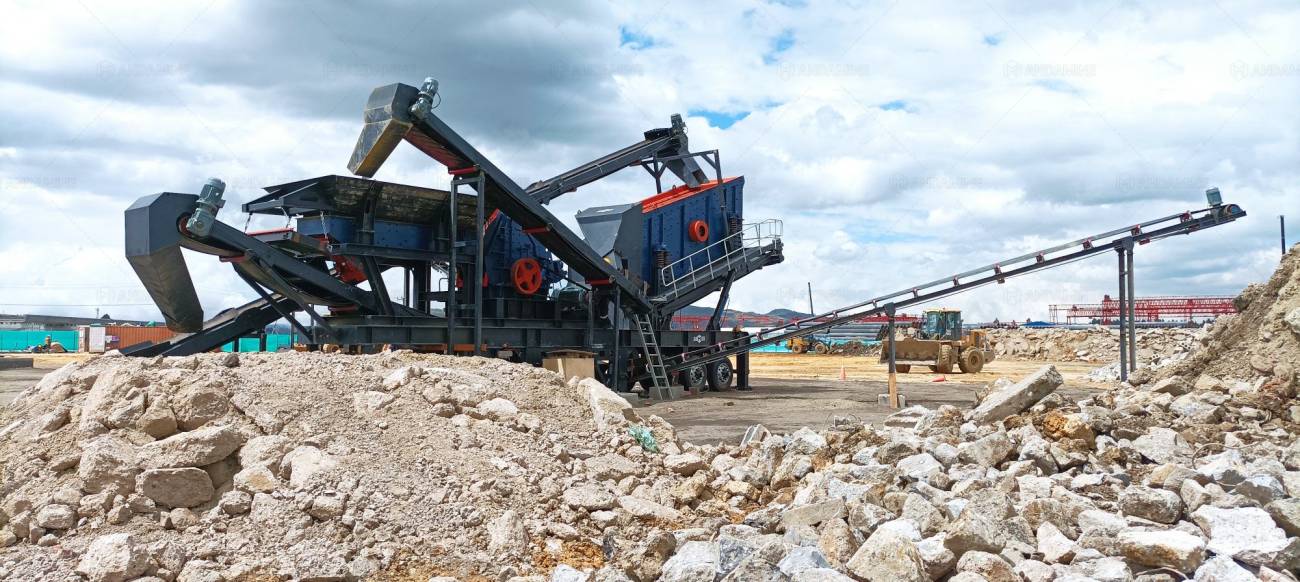
Matching Processing Equipment With Different Waste Materials
Once materials have been collected and sorted, the next step is selecting an appropriate crushing and screening configuration. A construction waste crusher plant may combine feeding, crushing, magnetic separation, screening, and conveying equipment to process different types of demolition debris. Its configuration should reflect the incoming material, required output sizes, expected processing volume, and final aggregate applications.
Concrete is one of the most common materials recovered from demolition projects. A concrete crusher reduces large concrete blocks into smaller particles that can be screened into different aggregate sizes. Reinforced concrete requires additional attention because embedded steel bars can interfere with material feeding and crushing. Pre-sorting, suitable feeding arrangements, and magnetic separation help remove metal and improve the quality of recovered materials.
For projects involving multiple processing locations or changing waste sources, a mobile crushing and screening plant can provide greater flexibility. Its integrated configuration allows operators to process suitable demolition materials closer to where they are generated, potentially reducing transportation requirements. However, equipment mobility does not eliminate the need for organized stockpiling, safe access routes, and consistent feed preparation.
Coordinating Crushing and Screening With Material Supply
Crushing capacity should be planned around the actual volume and characteristics of incoming waste rather than the plant’s rated capacity alone. If collection vehicles deliver materials faster than the plant can process them, stockpiles may grow beyond their intended capacity. Conversely, insufficient material supply can leave equipment underutilized and increase operating costs per ton.
Operators should coordinate loading rates, feeder settings, crushing stages, and screening capacity. Oversized concrete pieces may require preliminary size reduction before entering the primary crusher. After crushing, screening equipment separates materials according to the required particle sizes. Oversized particles can be returned for further crushing when the process is designed for closed-circuit operation, while suitable fractions are directed to separate stockpiles.
Production records can help identify coordination problems. Useful indicators include incoming waste volume, processed tonnage, equipment operating hours, rejected material quantities, and final product distribution. Comparing these figures helps managers identify whether interruptions originate from collection delays, poor feed preparation, crusher limitations, or screening bottlenecks.
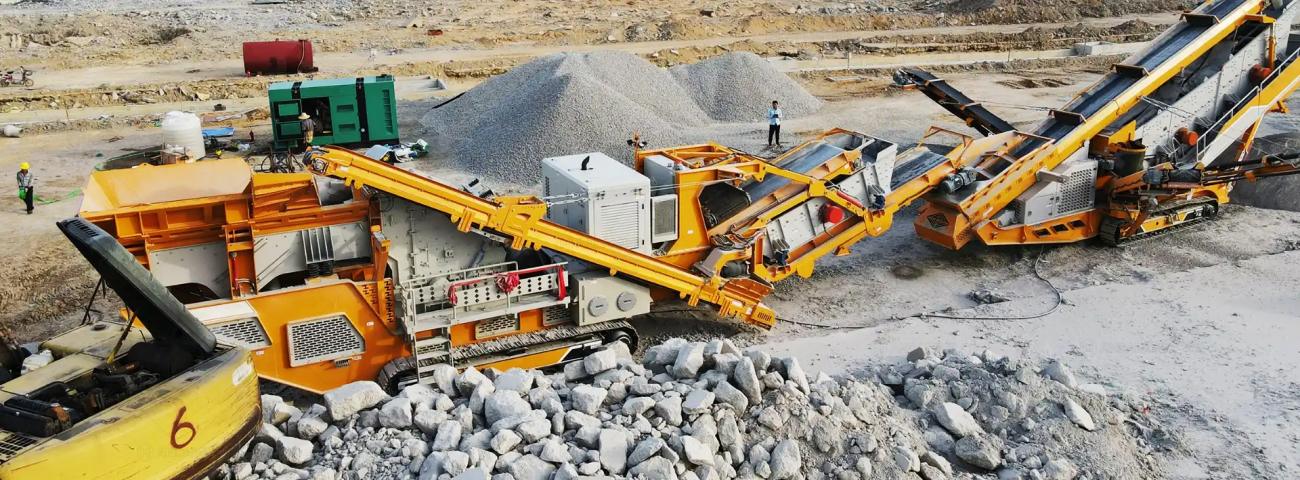
Controlling Contamination and Improving Recycled Aggregate Quality
The quality of recycled aggregates depends heavily on the condition of the incoming waste. Soil, wood, plastic, gypsum, glass, and metal can reduce the suitability of recovered materials for certain construction applications. Effective sorting should therefore take place before crushing whenever possible. Removing unsuitable materials early prevents unnecessary equipment wear and reduces the difficulty of separating contaminants from smaller crushed particles.
After crushing, screening and separation processes help produce more consistent output. Magnetic separators can recover ferrous metals, while appropriately selected screens divide aggregates into different size fractions. Operators should regularly inspect screen surfaces and material transfer points to prevent blockages and maintain stable separation performance.
Final product quality should be evaluated according to its intended application. Recycled aggregates for road subbase, backfilling, and general construction may have different particle-size and cleanliness requirements. Production targets should therefore be established around the specifications of the intended market rather than maximizing total crushed tonnage alone.
Improving Recycling Efficiency Through Integrated Site Management
Effective construction and demolition waste recycling requires coordination among demolition contractors, waste collection teams, stockpile managers, equipment operators, and recycled aggregate buyers. Each stage affects the performance of the next. Poor source separation increases sorting requirements, disorganized stockpiles interrupt material supply, and unsuitable feed conditions reduce crushing and screening efficiency.
A practical management system should connect collection schedules, stockpile inventories, equipment maintenance, and production records. Preventive inspections should cover feeders, concrete crusher wear parts, conveyors, screens, and separation equipment. Spare parts and routine maintenance should also be planned around expected production demand to minimize unexpected interruptions.
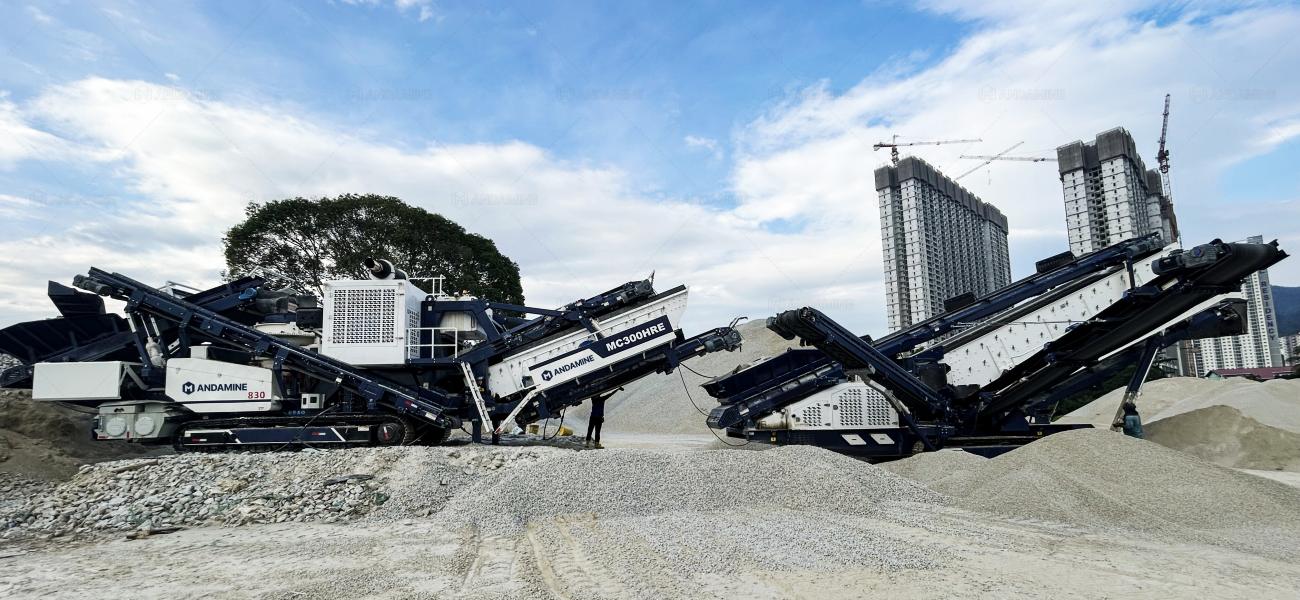
Building a More Efficient Construction Waste Recycling Workflow
Successful construction and demolition waste recycling depends on treating collection, stockpiling, and processing as connected stages rather than independent activities. Proper source separation improves feed quality, organized stockpiles stabilize material supply, and appropriately configured crushing and screening systems convert demolition debris into usable products. By coordinating logistics, equipment capacity, material quality, and production schedules, recycling operators can reduce unnecessary handling, improve resource recovery, and establish a more reliable supply of recycled aggregates for construction projects.