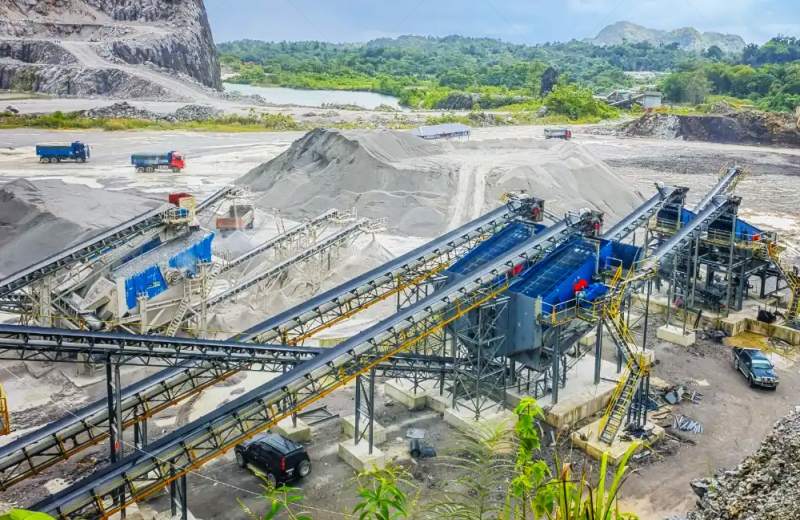
Choosing the right sand making and washing plant starts with understanding the raw material. Granite, limestone, basalt, river pebbles, and quarry waste have different hardness, abrasiveness, particle shapes, and impurity levels. These characteristics directly influence the crushing method, sand-making equipment, washing requirements, and final product quality. A suitable production system should not only achieve the required output but also produce commercially acceptable sand with reasonable energy, water, and maintenance costs. Therefore, raw material testing should come before equipment selection.
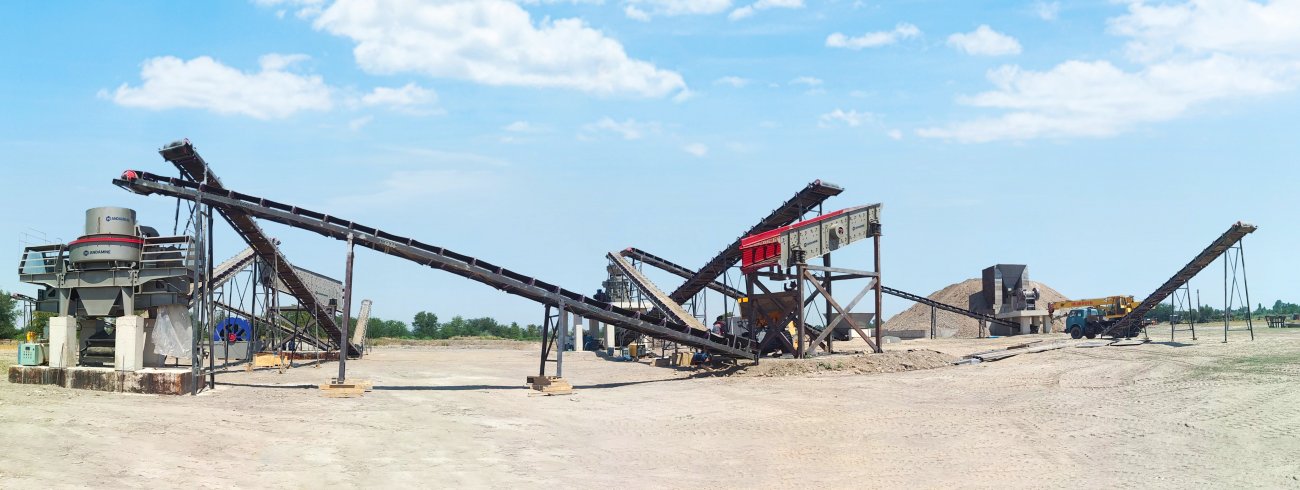
Evaluate Raw Material Characteristics Before Selecting Equipment
Different raw materials create different challenges during manufactured sand production. Before designing a production line, operators should examine several important properties:
- Hardness and abrasiveness: Hard rocks such as granite and basalt require durable crushing equipment and wear-resistant components. Softer limestone may allow different crusher combinations with lower wear costs.
- Feed size and particle distribution: Oversized feed may require primary and secondary crushing before entering the sand-making stage. Consistent feed sizes help stabilize equipment performance.
- Particle shape: Flaky or elongated particles may require additional shaping to meet aggregate and manufactured sand specifications.
- Clay and impurity content: Raw materials containing clay, soil, or excessive dust may need pre-screening and more intensive washing.
- Moisture content: Wet or sticky materials can cause screen blockage, material buildup, and feeding interruptions.
These factors determine whether a project needs a simple crushing and sand-making line or a more complex system with pre-screening, shaping, washing, and fine sand recovery.
Match the Sand Making Process to Different Rock Types
The sand making process generally includes raw material feeding, crushing, screening, shaping, washing, and finished product storage. However, the specific equipment arrangement should change according to the material properties and target sand specifications.
Granite and Basalt: Prioritize Crushing Strength and Wear Resistance
Granite and basalt are hard, abrasive materials commonly used to produce high-quality construction aggregates and manufactured sand. A typical production line uses a jaw crusher for primary crushing, followed by a cone crusher for secondary reduction. A vertical impact crusher can then perform particle shaping and fine crushing to produce manufactured sand with improved particle shape.
Because these materials cause considerable wear, the selection of crushing chambers, rotor components, liners, and other wear parts is important. The plant should also maintain a consistent feed size to avoid overloading the sand-making machine.
Limestone: Balance Crushing Efficiency and Product Shape
Limestone is generally easier to crush than granite and basalt, although its actual hardness and abrasiveness vary. Depending on the required output, a jaw crusher followed by an impact crusher may provide sufficient reduction. A vertical impact crusher can be added when more controlled particle shaping or manufactured sand production is required.
For limestone containing excessive soil or clay, pre-screening and washing may be necessary. The appropriate arrangement depends on whether impurities are concentrated in the raw feed or introduced during crushing.
River Pebbles: Consider Abrasiveness and Particle Shape
River pebbles are often rounded and relatively hard, making them suitable for manufactured sand production but potentially demanding on crushing equipment. A jaw crusher and cone crusher combination can reduce larger stones, while a vertical impact crusher helps reshape the particles and generate finer material.
Washing requirements depend on the amount of adhering soil, clay, and fine impurities. Clean river pebbles may require less intensive washing than materials collected from deposits with significant sediment content.
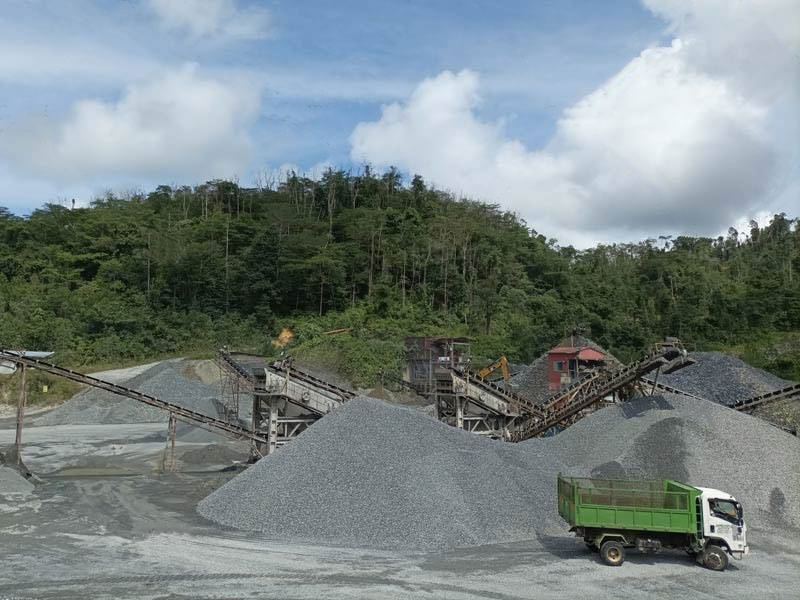
Select the Right Sand-Making and Washing Equipment
Once the raw material and production targets are understood, equipment selection should focus on the function of each processing stage.
- Feeders and vibrating screens: Control the amount of material entering each crusher and separate unsuitable sizes before further processing.
- Jaw and cone crushers: Reduce large rocks into sizes suitable for the sand-making stage. Their selection depends on feed size, hardness, and required capacity.
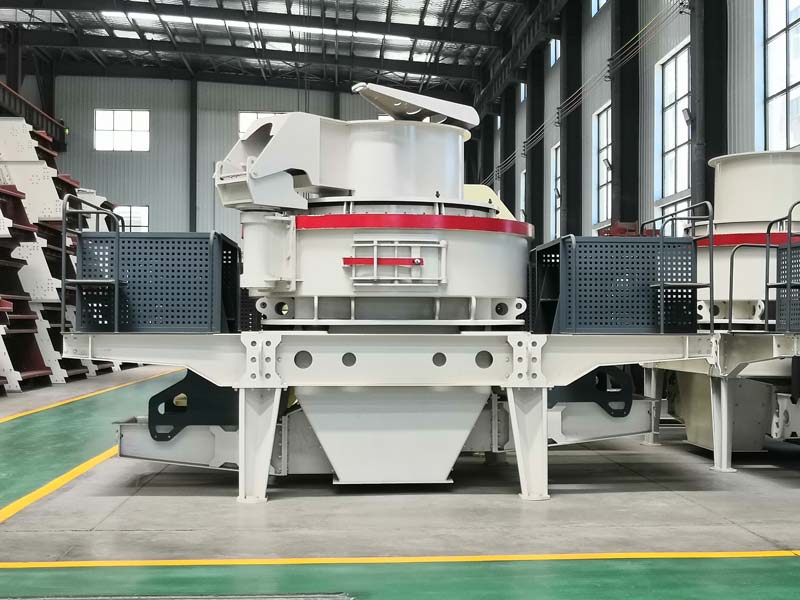
- Vertical impact crusher: Performs fine crushing and particle shaping, helping produce manufactured sand with a more suitable gradation and particle profile.
- Sand washing machines: Remove clay, dust, and other unwanted impurities from manufactured sand. Wheel and spiral washers are selected according to material characteristics and washing requirements.
- Fine sand recovery systems: Hydrocyclones and dewatering screens can recover useful fine particles from wastewater, reducing sand loss and improving product recovery.
Not every project needs all these machines. For example, clean raw materials with limited clay content may require a relatively simple washing arrangement. Materials with high fines or sediment content may need additional classification, water treatment, and recovery equipment.
Plan the Stone Crushing Plant Layout Around Material Flow
An effective stone crushing plant layout should follow the actual processing sequence and minimize unnecessary material handling. A common arrangement places the primary crusher near the raw material receiving area, followed by secondary crushing, screening, and sand making. Washing and dewatering equipment are positioned downstream, with separate stockpiling areas for finished products.
Several layout considerations directly affect production performance:
- Equipment elevation: Use gravity-assisted material transfer where practical to reduce unnecessary conveyor length and handling.
- Feed and discharge capacity: Ensure that feeders, crushers, screens, and conveyors can handle the expected material flow without creating bottlenecks.
- Maintenance access: Reserve sufficient space for replacing crusher wear parts, inspecting screens, and servicing pumps and washing equipment.
- Water circulation: Position washing, sedimentation, and water recovery systems to support efficient water reuse.
- Product storage: Provide separate stockpiles for different sand grades to prevent contamination and simplify loading.
The layout should also account for the site’s terrain, available land, drainage, and future expansion requirements. A poorly arranged plant can reduce actual throughput even when individual machines have sufficient rated capacity.
Balance Sand Quality, Recovery, and Operating Costs
High production volume does not necessarily mean high commercial value. A sand making and washing plant must produce material that meets customer requirements for particle size distribution, fineness modulus, cleanliness, and other applicable quality standards.
Operators should monitor several indicators during production:
- Sand gradation: Check particle size distribution regularly and adjust crushing or screening settings when necessary.
- Fine sand loss: Monitor wastewater discharge and recovery system performance to avoid losing valuable particles.
- Water consumption: Evaluate washing efficiency alongside water recycling and sludge treatment capacity.
- Wear part consumption: Track replacement frequency to identify whether crusher settings or material characteristics are increasing operating costs.
- Saleable output: Measure the amount of finished sand that meets product specifications rather than relying only on total machine throughput.
For example, increasing washing intensity may improve cleanliness but also increase water demand and fine particle loss if the recovery system is inadequate. The best configuration balances product quality with overall production efficiency.
Build the Production Line Around the Raw Material
The most suitable sand making and washing plant is the one designed around actual raw material properties, production targets, and local operating conditions. Hard granite and basalt generally need robust crushing and shaping stages, while limestone and river pebbles require configurations based on their specific feed characteristics and impurity levels. Washing and fine sand recovery should likewise reflect the condition of the incoming material rather than being added automatically.
Before purchasing equipment, conduct raw material testing and define the required sand specifications, production capacity, and water availability. Then compare complete process configurations instead of evaluating individual machines separately. A properly planned production line can improve sand quality, reduce unnecessary equipment investment, and maintain more stable output as operating conditions change.